CFTC Proposes New Federal Rules for US Crypto Markets

What Just Happened with US Crypto Regulations?
The U.S. Commodity Futures Trading Commission (CFTC) is taking action to establish a dedicated federal rulebook for digital asset markets.
On Sunday, May 10, 2026, the derivatives regulator released an Advanced Notice of Proposed Rulemaking (ANPRM). This official document opens public discussions on two regulatory regimes: Regulation Crypto Asset Transactions (Regulation CTX) and Regulation Crypto Asset Markets (Regulation CAM).
CFTC Chairman Michael Selig emphasized the goal of this initiative in an official statement:
"Today's action is a critical step in the CFTC's ongoing efforts to ensure America remains the crypto capital of the world."
However, it is important to understand that this notice is only the first step in a long process. The CFTC has not enacted these rules yet, but is seeking industry feedback to guide future policy.
Why Is the CFTC Stepping In Right Now?
The CFTC is moving forward using its existing authority under the Commodity Exchange Act because legislative efforts in Washington hit a roadblock.
Just weeks earlier, the U.S. Senate failed to pass the Clarity Act, which was the latest attempt by lawmakers to create a broad federal crypto framework.
The Clarity Act needed 60 votes to proceed in the Senate. The bill failed after four Republican senators joined Democrats in voting against it.
Had the Clarity Act passed, it would have granted the CFTC explicit statutory power over crypto spot markets. Without new legislation, the agency is relying on its existing legal mandate.
The CFTC's Proposed 3-Tier Market Structure
To organize crypto platforms effectively, Chairman Selig outlined a proposed three-tier regulatory vision:
Tier 1: Conventional Spot Exchanges
This tier covers standard spot exchanges where users trade digital assets directly. These platforms will continue operating under existing state money transmitter rules, while the CFTC maintains authority to stop fraud and market manipulation.
Tier 2: Retail Leveraged and Margin Platforms (CTX)
This tier is the CFTC's primary focus. It applies to exchanges offering margin, leverage, or financing to everyday retail traders. These activities, labeled as CTXs, will face brand-new CFTC regulations.
It is worth noting that trading digital assets on margin or leverage carries a high risk of rapid financial loss due to underlying market volatility.
Tier 3: Futures and Derivatives Markets
This tier includes exchanges offering crypto futures, perpetual contracts, and other derivatives. These products already fall under the CFTC's existing Designated Contract Market (DCM) guidelines.
Focus on Leveraged Retail Trading
The immediate goal of the CFTC is not to alter basic spot trading, but rather to regulate products that involve leverage or financing for retail users.
By focusing on leverage, the CFTC aims to introduce stronger investor protections around products that present elevated financial risk to everyday market participants.
What Happens Next? The 60-Day Window
This announcement marks the beginning of an open dialogue between regulators and the industry.
Once the ANPRM is published in the Federal Register, a 60-day public comment period will open.
Feedback gathered during this two-month period will help shape the formal regulatory proposals that the CFTC develops moving forward.
Latest blog posts


 +1
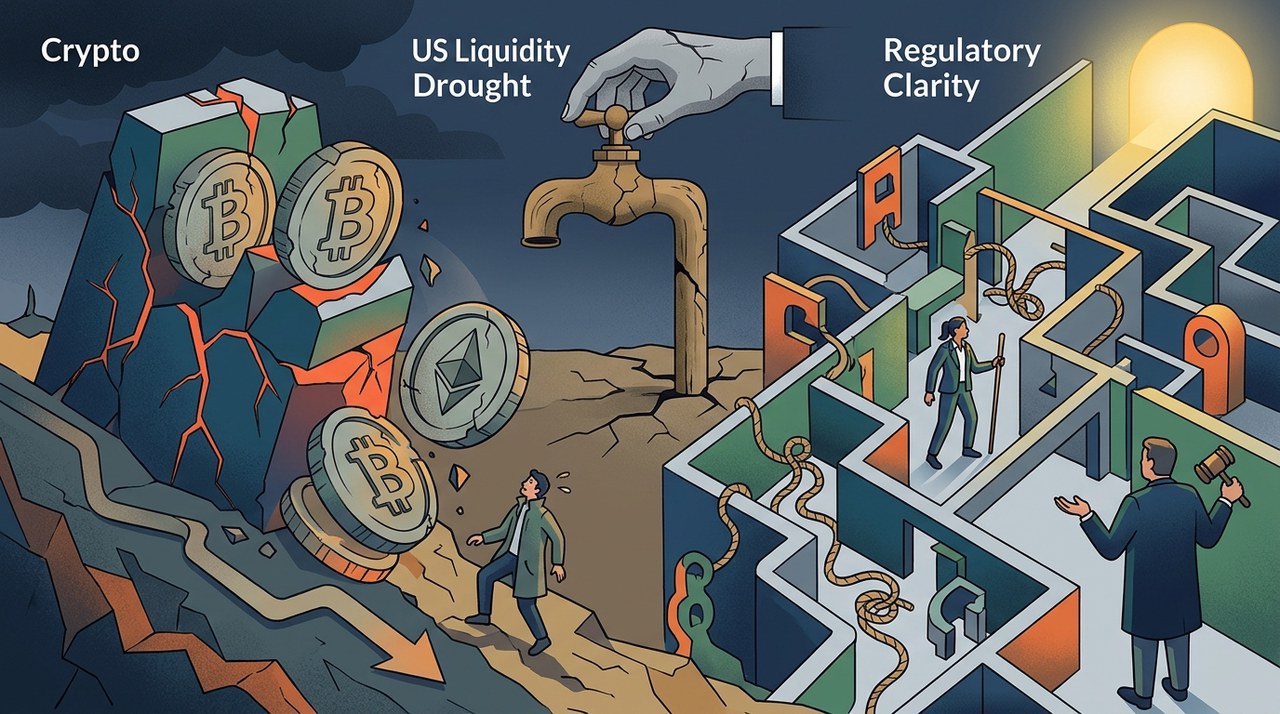
Why Is Crypto Crashing? Raoul Pal and Kevin O'Leary Explain
Raoul Pal and Kevin O'Leary highlight how tight US financial liquidity and regulatory delays are curbing crypto growth and institutional adoption.
|

South Korea Gives Exchanges Power to Freeze Crypto on Suspicion
South Korean regulators now permit crypto exchanges to halt withdrawals during suspected hacks, balancing faster asset protection against temporary user access locks.
|

Is the AI Trade Over? What It Means for Bitcoin
Fidelity analyst Jurrien Timmer suggests the AI stock boom may be cooling, raising questions about whether investor funds could rotate into Bitcoin.
|