


Babylon Considers Ending Bitcoin Staking Feature
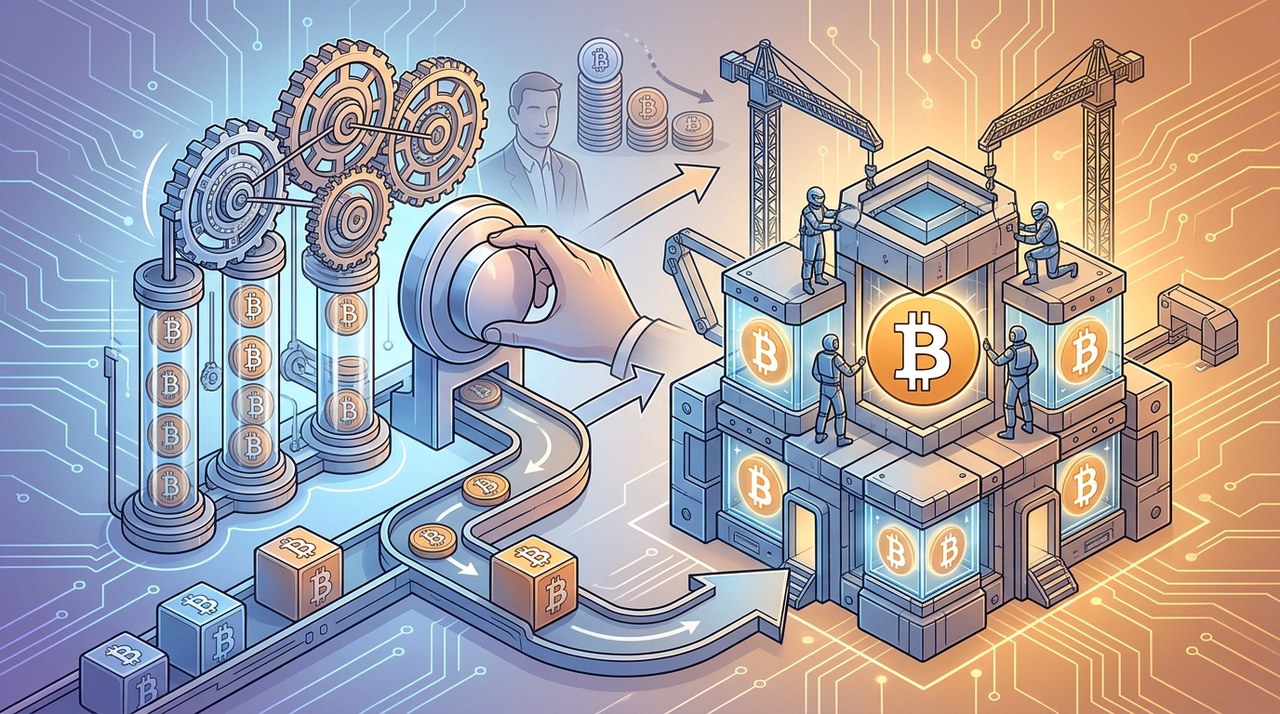
A Major Proposal for Bitcoin Staking
Babylon co-founder Fisher Yu has suggested closing down the platform's Bitcoin staking program by the end of 2026. This proposal was posted on the community forum to start a discussion before any official governance vote takes place.
The main reason for this proposed shift is to give the team full focus on developing Trustless Bitcoin Vaults (TBV). Yu pointed out that TBV is a much more flexible system for using native Bitcoin onchain, though it requires significant engineering and security work.
Ending the staking program would also let Babylon lower its BABYBABY+0.00% token inflation rate from 5.5% down to 2%.
What Happens to the $2.6 Billion in Staked Bitcoin?
Right now, about 41,600 Bitcoin—worth nearly $2.6 billion—is locked in Babylon's staking protocol. If the community votes to end the program, these coins will not enter the market all at once.
The unbonding process takes time. Stakers can request an early exit, which requires approval from Babylon's committee and takes two to seven days. Alternatively, stakers can wait for their original lock duration to expire, which can take up to 15 months.
- Kraken Dominance: Around 80% of all staked BTCBTC+0.14% on Babylon is delegated to two providers operated by Kraken.
- User Options: Once unstaked, users can move their Bitcoin into self-custodial wallets to use in TBV applications, hold it, or trade it.
Low Staking Yields Drive the Change
Bitcoin staking rewards on Babylon have fallen to low levels, with annual rates sitting between 0.03% and 0.5%. Because yields are so small, locked Bitcoin yields very little active return for depositors.
Some major platform users have already sought alternative yield strategies. For example, Lombard shifted its strategy away from Babylon staking toward a covered-call options model managed by Bitwise.
TBV is a much more powerful and versatile protocol for putting native bitcoin to work than bitcoin staking.
The Focus Shifts to Trustless Bitcoin Vaults and AaveAAVE-1.81%
To give Bitcoin holders new ways to generate returns, Babylon is prioritizing TBV. On November 9, Aave governance supported a proposal to allow native BTC as collateral via TBV.
Once finalized, this integration will allow Bitcoin holders to borrow stablecoins directly from Aave V4's primary liquidity pool. Users can then deposit those stablecoins into other opportunities to earn a return on the difference.
Several protocols are already testing applications built on top of TBV:
- Aegis: A fixed-rate borrowing platform that helps hedge against fluctuating interest rates.
- Cradle: An options decentralized exchange (DEX) that lets BTC owners earn yield by selling covered-call options.
Babylon plans to launch the TBV mainnet in a private phase in late November before opening full public access in early 2027.
Market Share and Token Performance
Even with low yields, Babylon holds a strong position in the restaking sector. Data from DeFiLlama indicates Babylon ranks second among restaking protocols, representing 36% of the total value locked.
Meanwhile, the BABY token has seen substantial price declines. Over the past 12 months, BABY has dropped by 62%, and it is down about 95% from its peak in April 2025.
Past performance of digital assets is not a guarantee of future returns. You can track current digital asset prices and market metrics on bitkub.com/th/market/BTC.
Overall, onchain data shows that only 104,105 BTC (about $8.7 billion)—or roughly 0.52% of all circulating Bitcoin—is actively participating in onchain strategies. As new vault structures roll out, holders may find more functional avenues to utilize their assets.
Latest blog posts

MoonPay Seeks US Bank Charter for Stablecoins and Custody
MoonPay has applied for a U.S. national trust bank charter to offer stablecoin issuance, reserve management, and digital asset custody under federal oversight.
Bitcoin Drops Below $62,000 as US Senate Rejects Iran War Bill
Bitcoin slipped below $62,000 following a key US Senate vote on war powers in Iran. Here is how energy costs, interest rates, and politics are impacting the market.
|
Meet SHRINCS: Bitcoin's Post-Quantum Defense Plan
Blockstream researchers Jonas Nick and Mikhail Kudinov published a security analysis of SHRINCS, an emerging post-quantum signature scheme for Bitcoin.
|