MoonPay Seeks US Bank Charter for Stablecoins and Custody
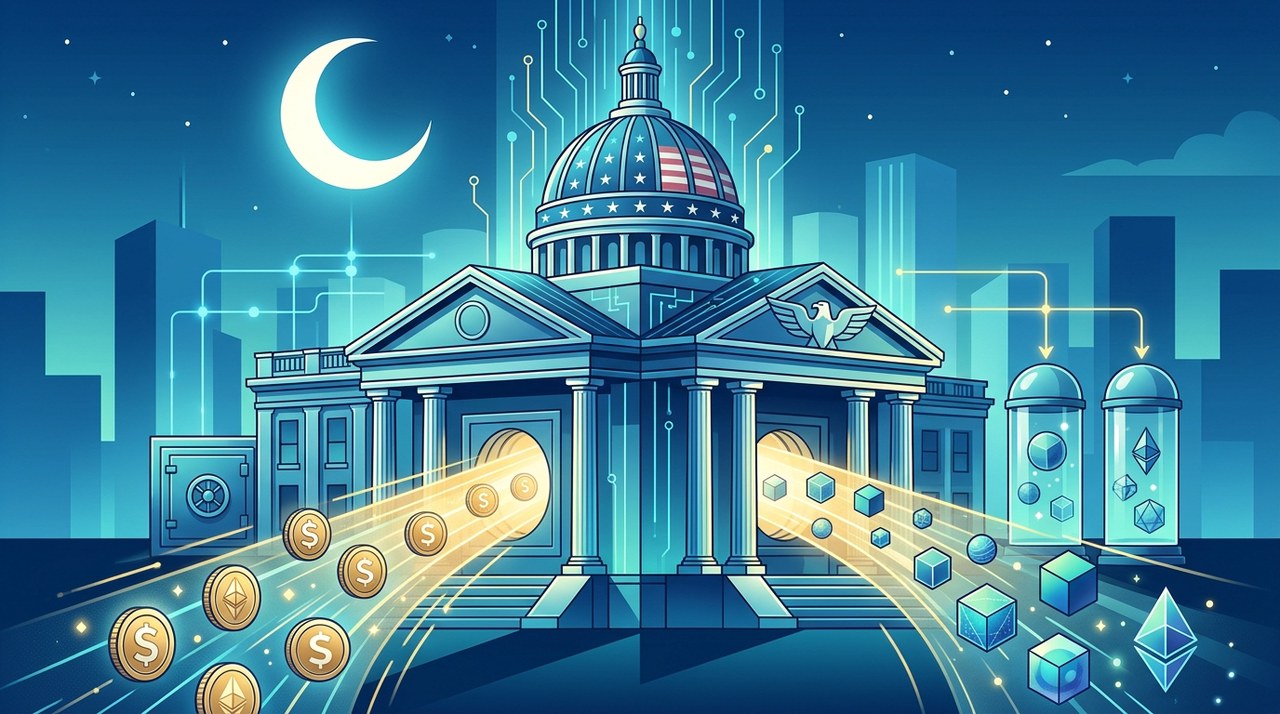
MoonPay Applies for a U.S. National Trust Bank Charter
Crypto payment infrastructure firm MoonPay is taking a major step toward traditional finance. The company is seeking a national trust bank charter in the United States.
If approved, the charter will allow MoonPay to establish a national trust bank. This bank would directly handle stablecoin issuance, reserve management, and digital asset custody under federal oversight.
What Is a National Trust Bank Charter?
Think of a national trust bank charter as official approval from federal banking regulators in the United States. It allows a company to operate across the entire country under unified federal rules rather than applying for individual state licenses.
Unlike regular consumer banks, trust banks do not take retail savings deposits or offer personal loans. Instead, they focus on holding assets safely, managing reserves, and offering specialized fiduciary services.
The Benefits of Federal Oversight
For crypto companies, federal oversight brings operational clarity. Currently, managing fiat and digital assets across America requires obtaining money transmitter licenses in almost every state.
A national trust bank charter places the institution under direct supervision from federal bodies like the Office of the Comptroller of the Currency (OCC).
Breaking Down MoonPay's Proposed Services
MoonPay's proposed national trust bank plans to focus on three core financial functions under federal supervision.
- Stablecoin Issuance and Redemption: Minting new digital dollar tokens and exchanging them back into U.S. dollars.
- Reserve Management: Safely holding cash and liquid assets that back every stablecoin in circulation.
- Digital Asset Custody: Providing secure storage solutions for blockchain assets owned by clients.
Stablecoin Issuance and Redemption Explained
Imagine buying ride tokens at an amusement park. You hand over real cash, and the park gives you plastic tokens. When you are done, you return your tokens to get your cash back.
Stablecoins operate on the exact same logic. Issuance happens when fiat currency enters the system to create digital tokens. Redemption happens when users turn in those tokens to receive their original cash back.
Why Reserve Management Is Crucial
Every stablecoin needs dependable backing behind the scenes. Reserve management involves storing cash or short-term U.S. Treasuries to ensure every token is fully backed 1:1.
Proper reserve management builds trust across the crypto industry. It gives users confidence that their stablecoins can be redeemed for physical currency at any time.
Understanding Digital Asset Custody
Digital asset custody acts as a high-security vault for public key cryptography and cryptocurrencies.
Chartered trust banks use institutional-grade security and key management systems to protect digital assets against theft, hacking, or operational loss.
Why Crypto Companies Want Bank Charters
Historically, crypto firms relied on third-party commercial banks to process payments and store customer cash.
However, relying on partner banks can create operational bottlenecks or risks if those banks change their policies toward crypto.
By securing a national trust charter, companies like MoonPay can connect directly to traditional financial plumbing. This reduces dependency on third parties and strengthens their services.
What This Means for the Industry
MoonPay's move reflects a growing trend of crypto payment firms seeking integration with mainstream U.S. financial institutions.
MoonPay’s proposed national trust bank would offer stablecoin issuance and redemption, reserve management and digital asset custody under federal oversight.
If approved, federal supervision could boost institutional trust in digital asset payment networks.
However, receiving a U.S. national trust bank charter requires a lengthy regulatory review. Federal authorities carefully evaluate security protocols, business plans, and capital reserves before granting approval.
Important Risk Factors for Market Participants
Federal regulatory supervision helps improve operational compliance and transparency for digital asset services.
However, market participants should remember that digital assets remain subject to broader market volatility. Regulatory oversight improves security standards but does not eliminate market risk.
Latest blog posts

Bitcoin Drops Below $62,000 as US Senate Rejects Iran War Bill
Bitcoin slipped below $62,000 following a key US Senate vote on war powers in Iran. Here is how energy costs, interest rates, and politics are impacting the market.
|
Meet SHRINCS: Bitcoin's Post-Quantum Defense Plan
Blockstream researchers Jonas Nick and Mikhail Kudinov published a security analysis of SHRINCS, an emerging post-quantum signature scheme for Bitcoin.
|
SEC Nominee Kristin Johnson Backs Rules for Tokenized Stocks
Former CFTC Commissioner Kristin Johnson and ex-SEC aide Steven Levine testified before lawmakers regarding SEC nominations and clear rules for tokenized stock trading.