
1Password Hack Exposes Names & Emails, Password Vaults Safe
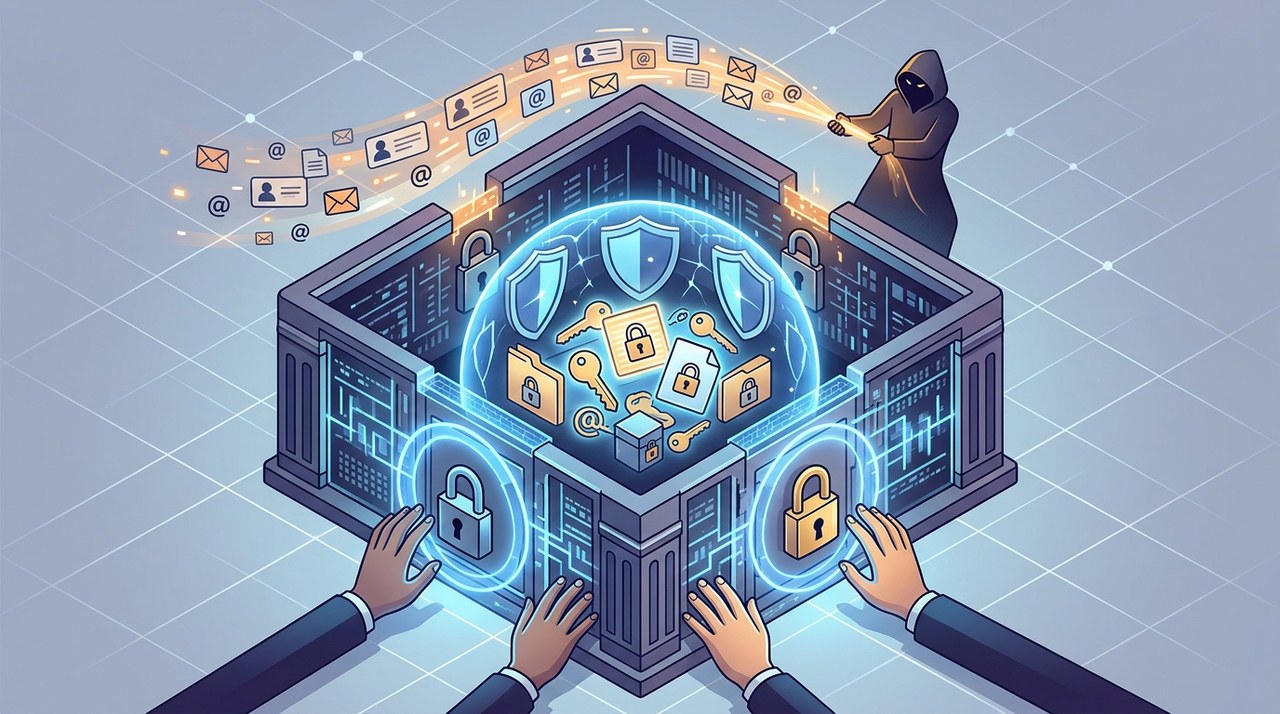
What Happened at 1Password?
Millions of people around the world rely on 1Password every day to store their login credentials and personal data safely. Recently, the password manager company revealed that an unauthorized party managed to access certain customer details, including names and email addresses.
However, there is reassuring news alongside this disclosure. The company confirmed that customer vaults holding actual passwords, secure notes, and financial information remain completely unaffected by the breach.
Understanding the Scope of the Security Incident
When learning about any data breach, it helps to understand exactly what information was exposed and what remained shielded behind system defenses.
- Customer account names were exposed during the security breach.
- Email addresses linked to affected profiles were accessed by the intruder.
- Encrypted user vaults containing sensitive passwords remained entirely secure.
1Password confirmed that its core security infrastructure contained the incident quickly, stopping attackers long before they could get anywhere near sensitive vault data.
Why User Passwords Remained Safe
You might wonder how a hacker could access account details like email addresses without seeing actual user passwords. The answer comes down to how modern password managers design their architecture.
1Password operates on a zero-knowledge security framework. This design means that the company itself does not possess the secret key needed to decrypt user vault data stored on its cloud servers.
Your vault contents are scrambled on your personal device before being saved to the cloud. Decryption requires both your personal Master Password and a unique Secret Key, neither of which are accessible to outside entities or company servers.
Zero-knowledge architecture ensures that even if company servers are accessed, stored vault data remains unreadable scrambled code.
The Real Risks: What Exposed Email Data Means
While password vaults remain fully protected, leaked email lists and names create specific secondary risks that users must keep in mind.
Cybercriminals often use leaked email directories to launch targeted phishing attacks. Phishing involves sending deceptive communications pretending to come from trusted services to trick users into revealing sensitive credentials.
Be alert for the following common warning signs in your email inbox:
- Messages claiming your 1Password account needs immediate verification.
- Emails instructing you to click suspicious links to re-enter your Secret Key.
- Unsolicited messages pretending to be official support staff asking for login information.
Remember that legitimate service providers will never contact you asking for your secret master password or local encryption key.
Security Insights for Digital Asset and Crypto Users
For individuals managing cryptocurrency exchange accounts or Web3 wallets, email exposure calls for heightened online awareness.
Many digital asset platforms use primary email addresses for password resets and two-factor authentication alerts. When bad actors obtain email addresses, they may attempt social engineering tactics to target exchange accounts.
Maintaining strong cyberCYBER-6.85% hygiene across all digital asset tools is essential, as historic performance of security measures does not eliminate risks from evolving phishing scams.
Practical Steps to Maintain Account Security
Protecting digital accounts requires simple habits to prevent unauthorized access.
- Verify email senders: Always inspect sender addresses carefully before clicking embedded links.
- Use hardware authentication: Enable app-based two-factor authentication or security keys instead of SMS.
- Keep secret keys offline: Store emergency emergency kits and master credentials offline in physical locations.
- Monitor login alerts: Pay attention to security notifications about unknown logins on linked accounts.
Final Thoughts
This security event underscores why proper cryptographic design is critical for digital services. Because 1Password implemented zero-knowledge encryption, customer password vaults remained fully protected despite the administrative breach.
By staying informed about potential phishing attempts and using multi-factor security features, users can safely manage their digital identities.
Latest blog posts
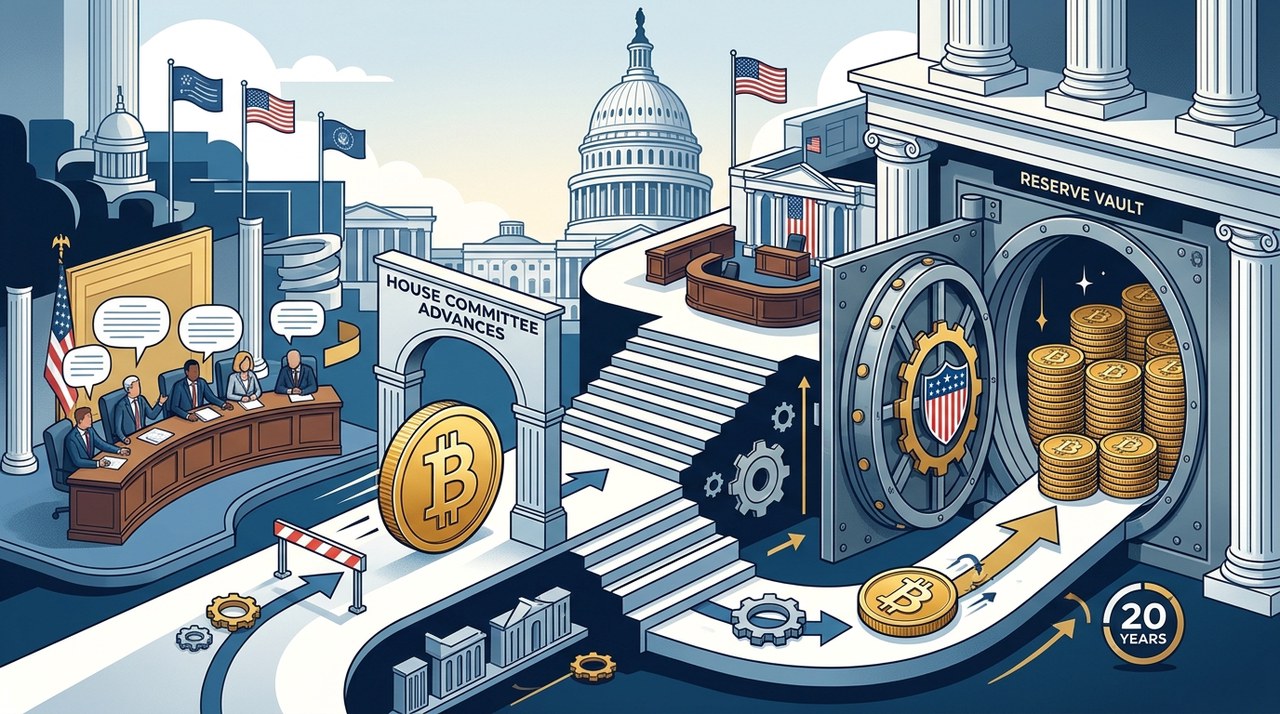

US House Advances 20-Year Bitcoin Reserve Bill
A U.S. House committee has approved a bill to establish a 20-year Strategic Bitcoin Reserve, sending it to the floor for a full vote.
|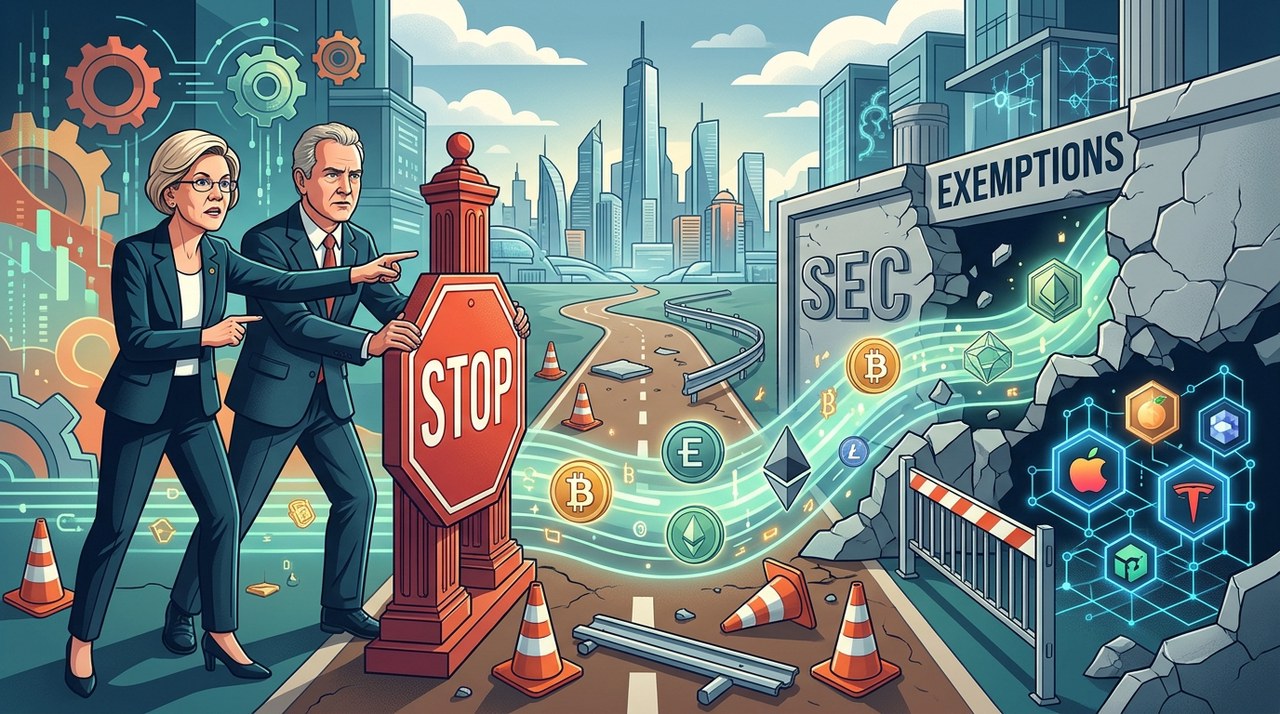
US Senators Urge SEC to Scrap Crypto Exemptions
US Senators Elizabeth Warren and Chris Van Hollen have urged the SEC to abandon proposed regulatory exemptions for crypto assets and tokenized stocks.
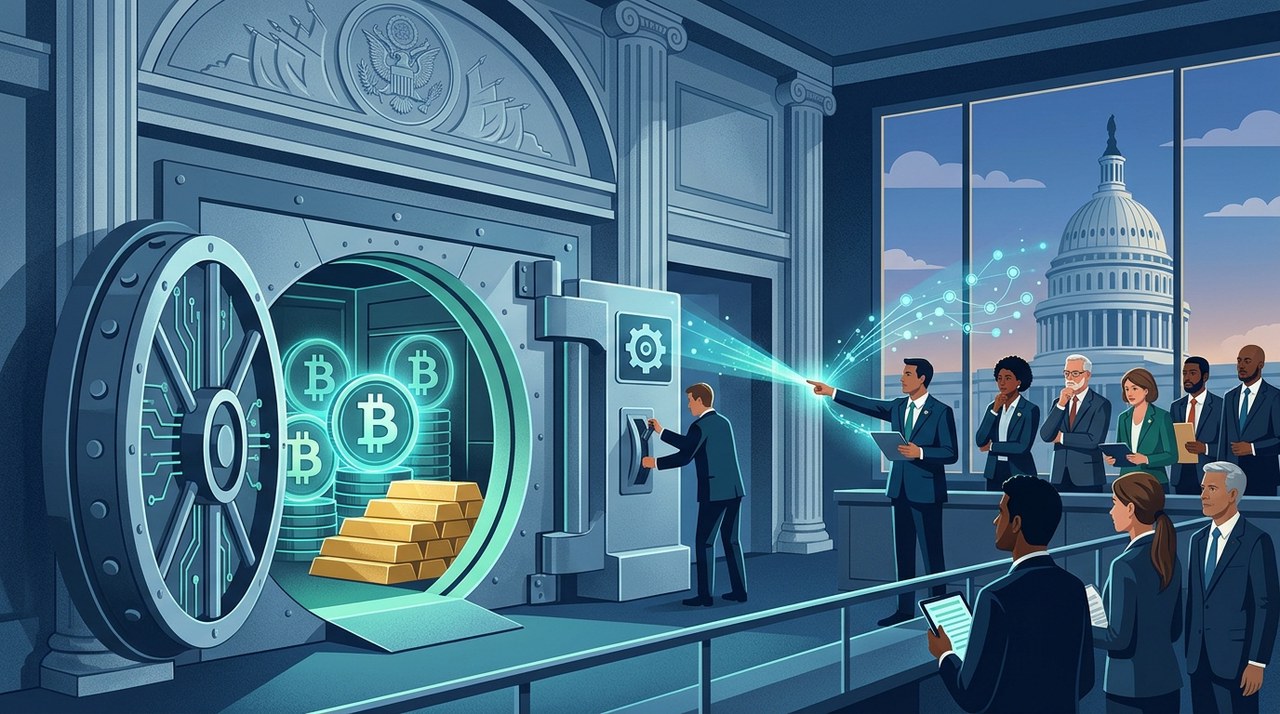
House Committee Advances Strategic Bitcoin Reserve Bill
A U.S. House committee has advanced a Strategic Bitcoin Reserve bill, though a tight Congressional calendar leaves a narrow path for full passage.
|