

Zodia Custody Reports Breach of Client Contact Details

What Happened at Zodia Custody?
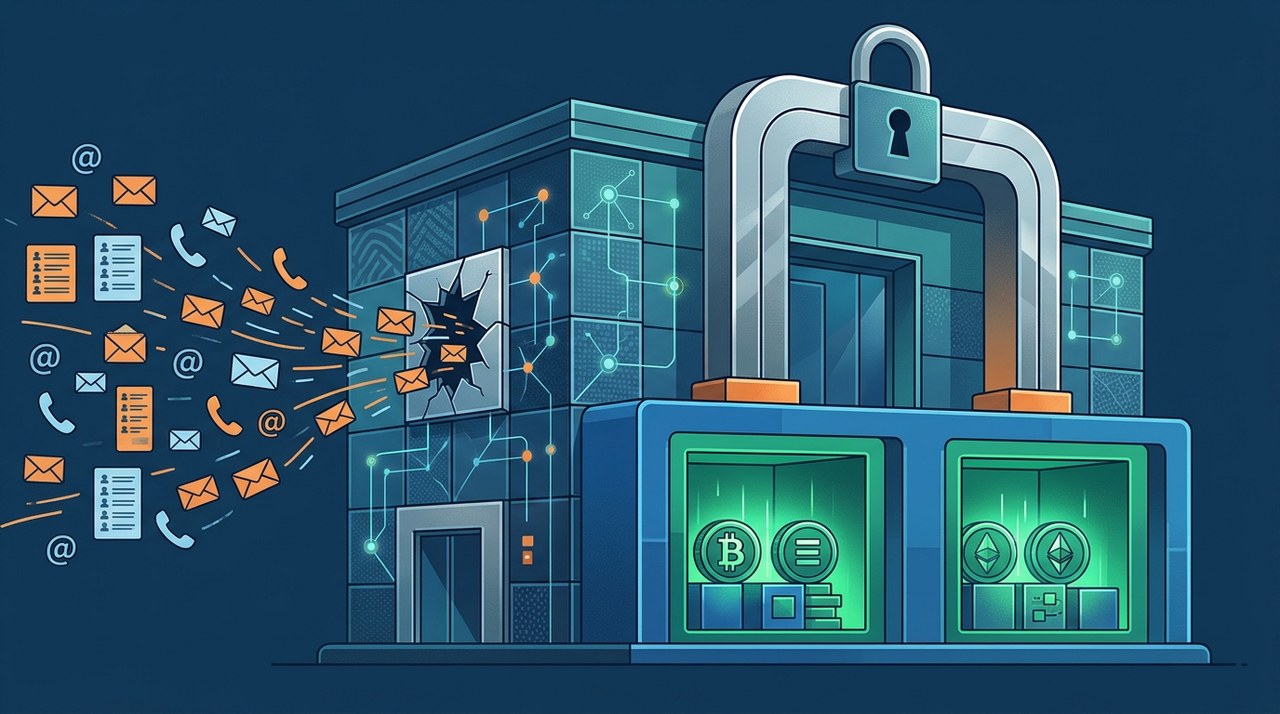
Institutional crypto custodian Zodia Custody has disclosed a security incident involving unauthorized access to client contact details.
The firm is backed by banking giant Standard Chartered and Northern Trust. It provides digital asset storage services for institutional investors like asset managers and corporate clients.
According to the company, the intruder accessed contact information rather than financial funds or internal wallet keys. Zodia initiated containment steps immediately upon discovering the issue.
What Information Was Exposed?
Cybersecurity incidents can vary greatly in severity depending on what data gets stolen. In this case, the compromised data included client names and contact details.
Think of it like someone getting access to a bank's phone directory. The unauthorized party found out who uses the service, but they could not unlock the vault where funds are kept.
Even though funds remain secure, leaking contact information creates a major secondary threat: phishing attacks.
The Rising Threat of Phishing Attacks
When attackers obtain names and email addresses, they often attempt to trick victims into revealing sensitive login details or private key information.
Bad actors can craft fake emails that appear to come directly from Zodia Custody or related support teams. Common signs of phishing attempts include:
- Urgent requests asking you to verify your identity or reset credentials
- Emails with links to fake login portals designed to steal passwords
- Messages claiming your funds are locked unless you take immediate action
Who Is Zodia Custody?
Zodia Custody is an institutional digital asset custodian designed to meet strict regulatory and compliance standards.
It was created to give traditional financial institutions a safe gateway to hold digital assets like BitcoinBTC+4.52% and EthereumETH+4.02%. Because traditional banks handle vast sums, security infrastructure is key to their model.
This incident highlights that even institutional platforms backed by global banking institutions can face cybersecurity challenges.
How Crypto Custody Infrastructure Works
Institutional custodians keep customer funds separate from daily communication and administrative databases. This wall prevents administrative breaches from compromising client assets.
Assets are stored using advanced techniques such as multi-signature setups and offline cold storage solutions.
While cold storage protects core private keys, maintaining security across all surrounding systems is an ongoing effort for crypto firms globally.
Best Practices for Account Security
Whether you hold assets with an institutional custodian or manage a self-custody wallet, reviewing basic security habits is always beneficial.
- Verify sender email addresses carefully before clicking any links.
- Never share secret recovery phrases or private keys with anyone.
- Enable hardware-based multi-factor authentication (MFA) whenever possible.
- Contact support through official websites rather than replying directly to unverified emails.
Industry Takeaways
Transparency around data breaches is essential for building trust in the digital asset market. Rapid disclosure helps users remain vigilant against follow-up scams.
As adoption grows, regulatory bodies continue to review operational resilience standards to ensure platforms maintain top-tier defense systems.
Past performance of digital assets or past performance of service providers is not indicative of future returns or future security performance.
Latest blog posts
Zodia Custody Breach Exposes Client Contact Data
Standard Chartered's crypto custodian Zodia Custody suffered a data breach exposing client contact details, but reported zero unauthorized transactions.



XRP Traders Withdraw 5 Billion Tokens from Exchanges
Over 5 billion XRP tokens were moved off crypto exchanges in 30 days, signaling strong holding activity despite ongoing market volatility.
|
Galaxy Research Retracts Call on End of Bitcoin Bear Market
Galaxy Research has stepped back from declaring an end to Bitcoin's bear market, highlighting shifting economic conditions and cautious prediction market probabilities.
|