
XRPL Takes Big Step Toward Smart Escrow Launch
XRPXRP-1.22% Ledger Advances Smart Escrow Capabilities
Developers working on the XRP Ledger (XRPL) have officially rolled out the ninth release of the Smart Escrow Devnet. This milestone brings the network much closer to launching programmable escrow features on its mainnet.
Mayukha Vadari, a senior software engineer at RippleX and co-author of the Smart Escrow proposal, described the update as a big step toward launch. She highlighted that developers are actively testing and reviewing the framework to ensure everything runs smoothly before full deployment.
Programmability on the XRPL keeps moving.
For developers and project teams currently testing the Smart Escrow functionality, updating their configurations to connect with the new Devnet release is required to access these upgrades.
Technical Overhaul: Moving from C++ to Rust
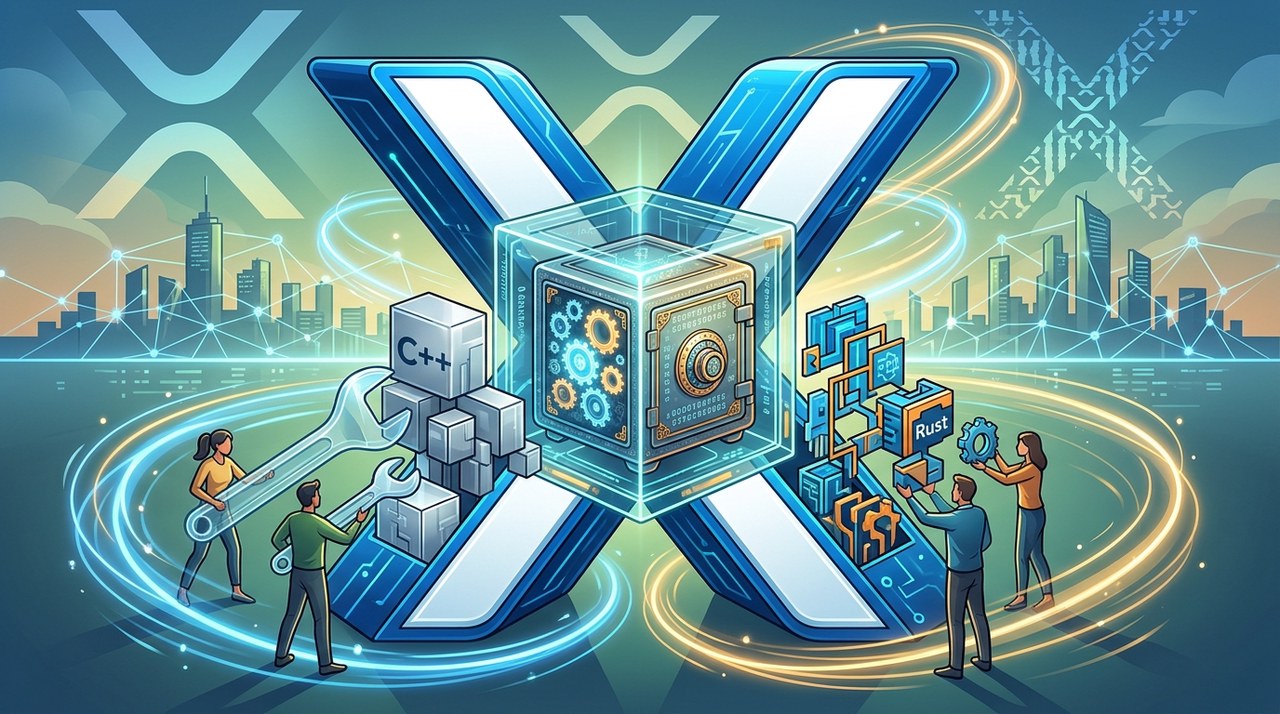
Behind the scenes, the ninth release brings significant technical adjustments designed to make the network faster and more stable. The biggest change in this version is the complete migration of the WebAssembly (WASM) virtual machine integration from C++ to Rust.
Software programming languages play a vital role in how blockchain systems execute code. By transitioning the execution environment to Rust, the development team has created a more secure and streamlined infrastructure for handling smart logic.
According to Vadari, this brand-new architecture introduces a single, unified point of entry for several critical network tasks:
- Gas accounting: Calculating and tracking execution costs accurately across transactions.
- Error handling: Managing invalid or unexpected actions cleanly without causing system failures.
- Security checks: Ensuring all incoming code strictly adheres to network rules before running.
This structural migration yields major performance benefits. Host function calls across the network are now 30% to 50% faster, drastically reducing latency and enhancing overall efficiency.
Production-Ready Refinements
Beyond the engine migration, the developers focused on refining technical naming conventions to prepare the codebase for commercial production.
The ninth Devnet update standardizes several crucial system components:
- Host function names: Aligning execution calls with finalized production terminology.
- Ledger fields: Cleaning up data structures stored on the blockchain state.
- Transaction engine result codes: Updating status messages returned after transaction processing.
- Execution entry points: Defining precise starting paths for smart escrow code execution.
These modifications bring the developer environment closer to its final, live version, ensuring that applications built on the Devnet can seamlessly transition to the live network in the future.
What Is Smart Escrow on the XRP Ledger?
To understand why this update matters, it helps to look at how escrows already function on the XRP Ledger today.
Think of a standard escrow like a simple timed safety deposit box. A user locks funds inside the box, and those funds can only be released after a specific date or when a basic cryptographic condition is met.
Evolution From Standard to Smart Escrow
While standard escrows work well for basic payments, they lack flexibility. You cannot easily add custom rules or external data checks to determine when funds should unlock.
Smart Escrow changes this dynamic by attaching a lightweight WebAssembly (WASM) program directly to the escrow mechanism itself.
This attached micro-program acts like an intelligent inspector. Before any funds leave the escrow, the program evaluates custom conditions and makes an automated decision on whether to approve or reject the release.
The Significance of Proposal XLS-100
The Smart Escrow framework is formally detailed in proposal XLS-100. It serves as the foundational layer of native programmability on the XRP Ledger.
Rather than adding complex, heavy smart contracts that could slow down transaction speed or increase network fees, XLS-100 introduces focused, modular logic tailored specifically for conditional asset transfers.
This approach preserves the core strengths of the XRP Ledger—high throughput and low costs—while expanding what developers can build on top of it.
Practical Use Cases for Smart Escrows
The introduction of programmable conditions opens up a wide range of real-world financial and commercial applications.
Some key potential use cases for Smart Escrows include:
- Notary Approvals: Requiring a trusted third party or legal authority to digitally sign off before funds transfer.
- Compliance Locks: Holding assets automatically until regulatory checks, such as identity verification or compliance reviews, are verified.
- Real Estate Transactions: Locking purchase deposits in escrow and releasing them automatically once property ownership transfers or inspection milestones are met.
- Auctions and Bidding: Securing bids in escrow and automatically releasing funds to the seller once the winning bid is confirmed.
- Conditional Peer-to-Peer Payments: Enabling complex agreements between individuals where funds release only when specific delivery terms are fulfilled.
In practice, assets held within a Smart Escrow remain securely locked until all specified inputs are satisfied. This could mean waiting for an external data feed, known as an oracle, to confirm real-world events before releasing assets.
Looking Forward: Testing and Network Rollout
While the ninth Devnet release represents substantial progress, the developer team emphasizes that Smart Escrow remains in a rigorous testing phase.
Thorough code reviews, security audits, and developer feedback from the Devnet will determine when the proposal is ready for a mainnet amendment vote. On the XRP Ledger, new feature activations require an 80% supermajority approval from network validators over a continuous two-week period.
As testing continues, developers building on XRPL are encouraged to test their decentralized applications on Devnet version nine to prepare for the future of programmable payments on the network.
Past performance of digital assets or operators does not guarantee future results. Digital asset investments carry risk due to market volatility. Readers should evaluate technical documentation and project fundamentals carefully. Check live market figures on Bitkub XRP Market.
Latest blog posts



XRP Faces Record November Loss as December Data Emerges
XRP has declined by 25.4% in November 2026, marking its largest November drop on record, while historical data shows mixed trends for December.
|


Charles Hoskinson Defends Cardano Utility Amid ADA Price Drop
Cardano founder Charles Hoskinson responded to community concerns after ADA fell over 95% from its peak, arguing price does not reflect underlying tech progress.
|

Shiba Inu Activity Spikes as 684 Billion SHIB Move
Over 684 billion SHIB tokens moved across crypto exchanges in 24 hours as Shiba Inu attempts a price recovery from recent lows.
|