

XRP Ledger Prepares for Major On-Chain Lending Upgrade
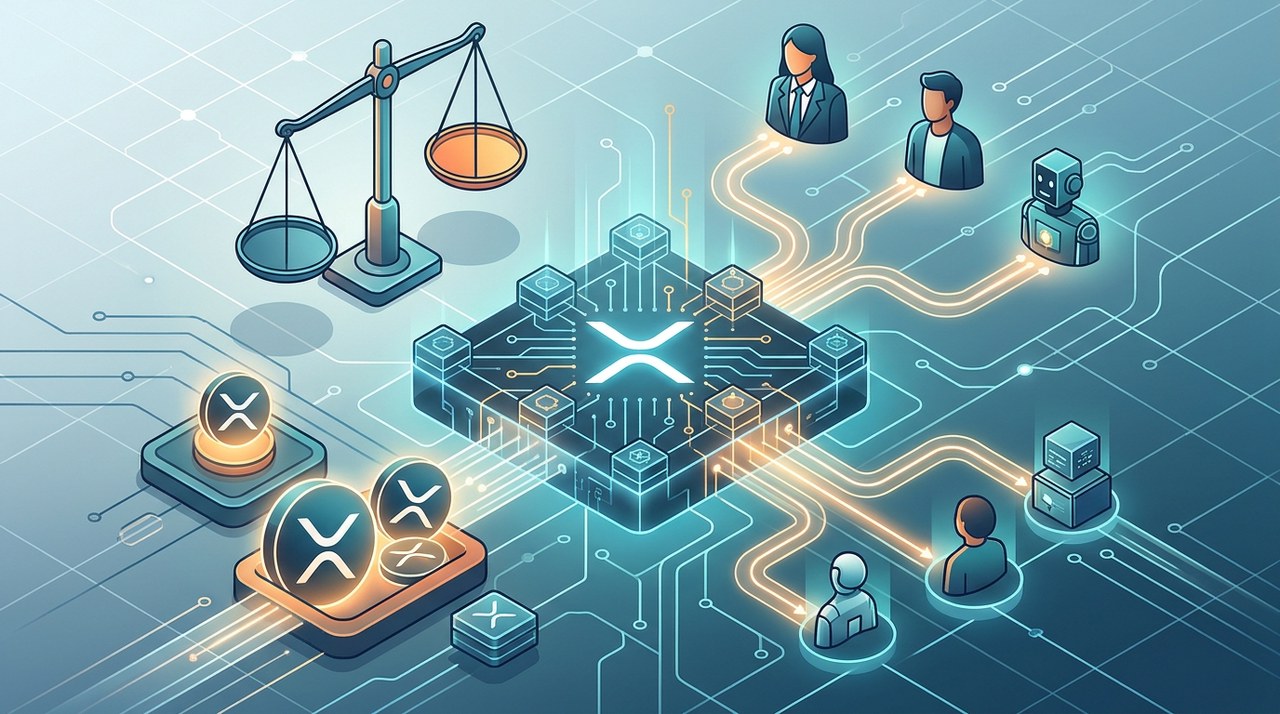
Big Changes Are Coming to the XRPXRP-9.07% Ledger
Something big is brewing on the XRP Ledger network. A major technical upgrade that brings native decentralized finance (DeFi) lending capabilities is inching closer to going live.
On November 6, 2026, crypto news reporter Alex Dovbnya highlighted that trusted network validators are casting key votes. These votes push the network toward activating a new protocol standard known as XLS-66.
If you follow decentralized technology, this development is worth watching. It introduces brand-new ways for capital to move across the ledger without relying on complex external smart contracts.
What Is the XLS-66 Lending Protocol Upgrade?
In most standard crypto lending platforms today, borrowers must over-collateralize their loans. Think of it like a pawn shop. If you want to borrow $100, you usually need to lock up $150 or more in digital assets as security.
The XLS-66 proposal changes that dynamic. It brings direct, protocol-level lending features straight to the XRP Ledger.
More importantly, XLS-66 enables fixed-term and non-collateralized (uncollateralized) lending for qualified borrowers. This allows verified entities to secure loans without holding crypto collateral that exceeds the loan value.
How Do Single Asset Vaults Work?
According to the official XLS-66 technical documentation, lending happens through liquidity pools known as Single Asset Vaults.
Instead of direct peer-to-peer matching, capital accumulates inside these vaults. The funds are then loaned out to approved entities under pre-agreed terms.
To keep the system running smoothly, the proposed Lending Protocol divides responsibilities among three distinct roles:
- Depositors: Everyday users or financial entities who supply crypto or supported digital assets into a vault.
- Loan Brokers: Specialists who negotiate loan deals, set terms, and evaluate borrower creditworthiness.
- Borrowers: Approved entities who receive the loans and pay them back according to a fixed schedule.
The Validator Vote Count: Where Do We Stand?
Upgrades on the XRP Ledger do not happen overnight. They require strict consensus among the network's trusted validator set.
According to XRPL validator and community advocate Vet (@Vet_X0), the Lending Protocol amendment recently gained two additional Yes votes.
The vote count initially reached 21 out of 35 trusted validators, representing a 60% approval rate across the network.
Updated validator data shows support rising further to 23 out of 35 total votes. This leaves the proposal just six votes away from reaching the required threshold.
To pass, the proposal must secure at least 29 out of 35 validator votes, which equals an 80% supermajority threshold.
The Two-Week Activation Window Explained
Reaching 29 votes does not immediately turn on the software upgrade. The XRP Ledger incorporates a built-in delay for network stability.
Once the 80% supermajority mark is reached, a mandatory two-week countdown period begins.
Validator support must stay at or above 80% throughout those entire two weeks. If support remains steady, the amendment officially activates on the mainnet.
Additional Proposals: The Lending Protocol V1_1 Amendment
XLS-66 is part of a broader set of technical upgrades being reviewed by network validators.
A complementary proposal, the Lending Protocol V1_1 amendment, introduces refined features like closed-ended vaults and upgraded interest accounting mechanics.
Currently, the V1_1 amendment holds 21 Yes votes out of 35. All three related amendments remain under active voting, and none have crossed the final supermajority line yet.
Why This Upgrade Matters for Capital Efficiency
Historically, assets on the XRP Ledger were primarily used for payments, rapid cross-border settlements, or simple storage.
With XLS-66, financial institutions can put capital to work directly on the chain instead of leaving assets idle.
It also opens up opportunities for depositors to potentially earn yield on assets placed inside lending vaults.
However, interest earnings are never guaranteed. Potential yields depend on actual market borrowing demand, loan volume, and credit risks.
Broader Ecosystem Context and Market Activity
The progress on XLS-66 comes during a busy period for the broader crypto market.
The XRP Ledger recently welcomed a new Euro-backed stablecoin, expanding foreign exchange liquidity across the network.
Meanwhile, broader market analyses on November 6 noted price movements across major assets including ChainlinkLINK-6.59%, XRP, Monero (XMR), and Zcash (ZEC).
Past performance of digital assets is not a guarantee of future returns. You can monitor live market data and asset details on Bitkub Market.
On the regulatory front, global policy developments continue to evolve, including updates regarding key U.S. Senate leadership roles held by figures like Senator Elizabeth Warren.
Conclusion: Looking Ahead for the XRPL Ecosystem
The validator voting process demonstrates that the XRP Ledger is actively broadening its utility.
By building institutional-grade lending capabilities into its core architecture, XRPL aims to expand its role in decentralized finance.
Community members and developers will be watching the validator vote tallies closely in the coming days to see if XLS-66 clears the final hurdle.
Latest blog posts
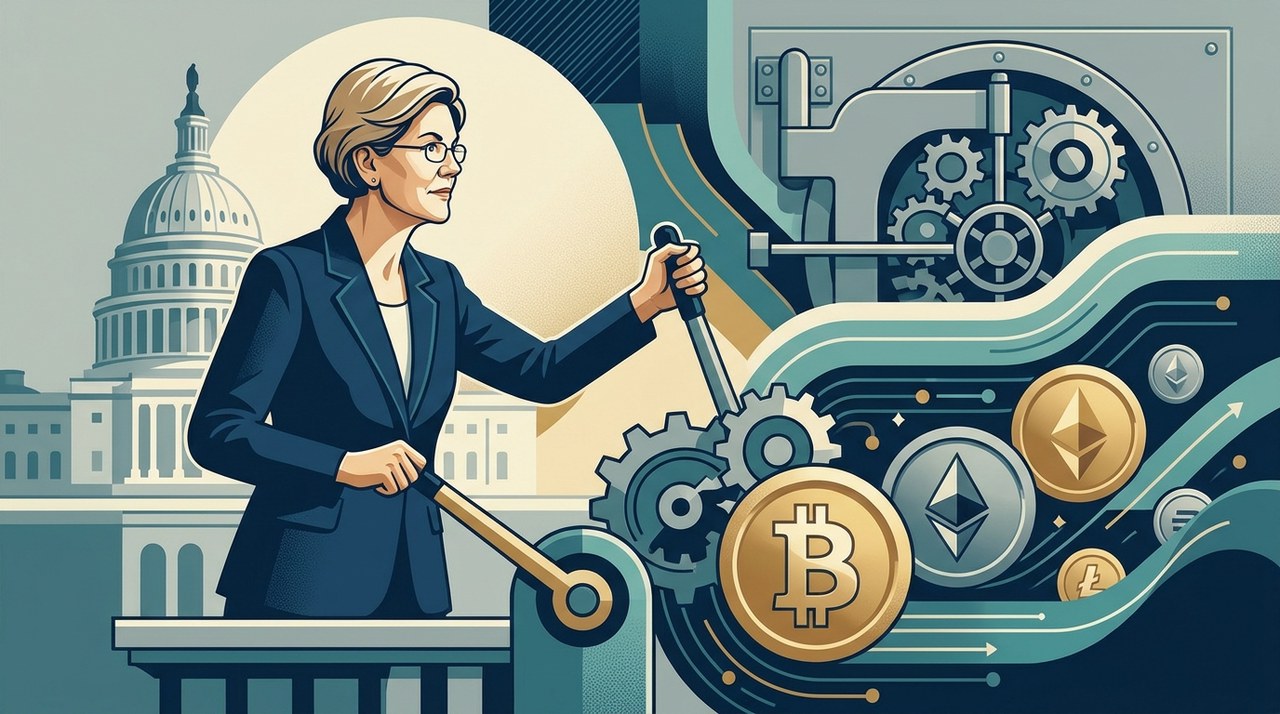
Warren Eyes Senate Banking Chair: Impact on Crypto
Senator Elizabeth Warren may lead the U.S. Senate Banking Committee following the 2026 midterms, potentially bringing stricter regulatory oversight for crypto.
|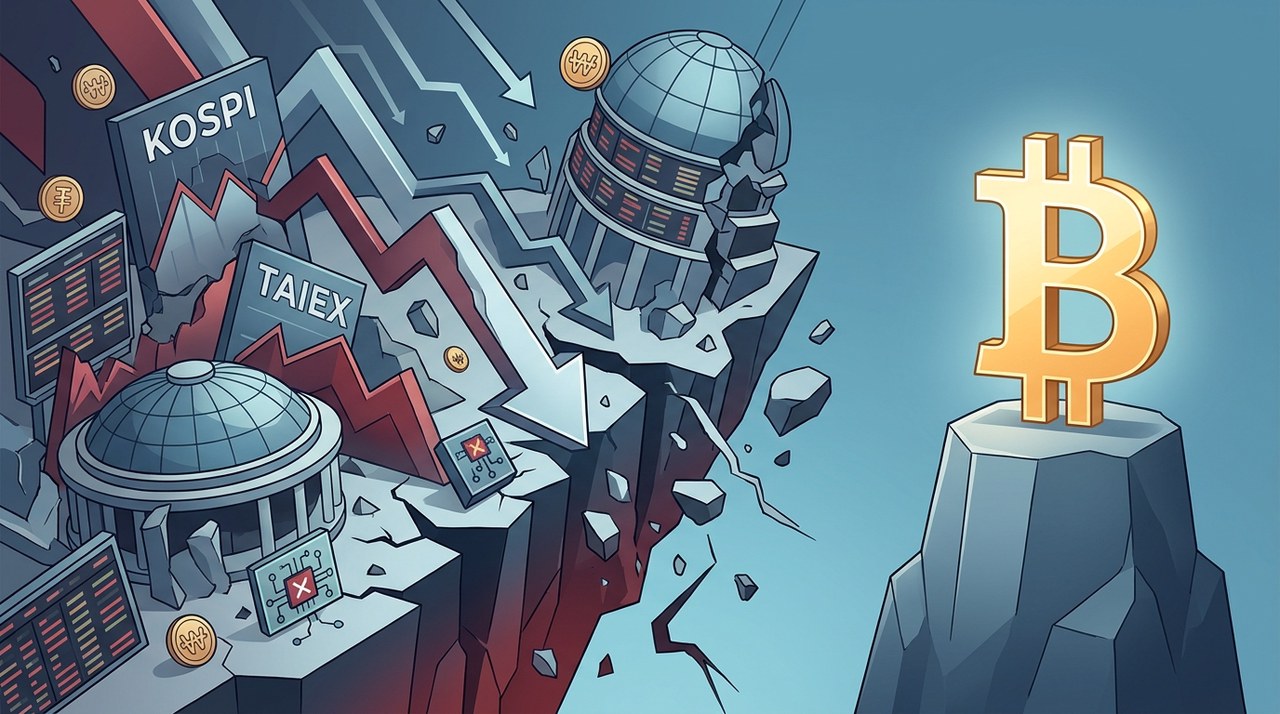

Bitcoin Holds $75K as Asian Markets Lose $1 Trillion
Global tech stock sell-offs erased over $1 trillion across Asian markets, while Bitcoin showed relative resilience by maintaining the $75,000 level.
|
Is $1.5 Trillion Too High for Anthropic's Planned IPO?
Potential investors are pushing back on Anthropic's reported $1.5 trillion valuation tag, casting doubt on the timing of its November IPO roadshow.
|