


XRP Ledger Achieves First Global Banking Standard Verification
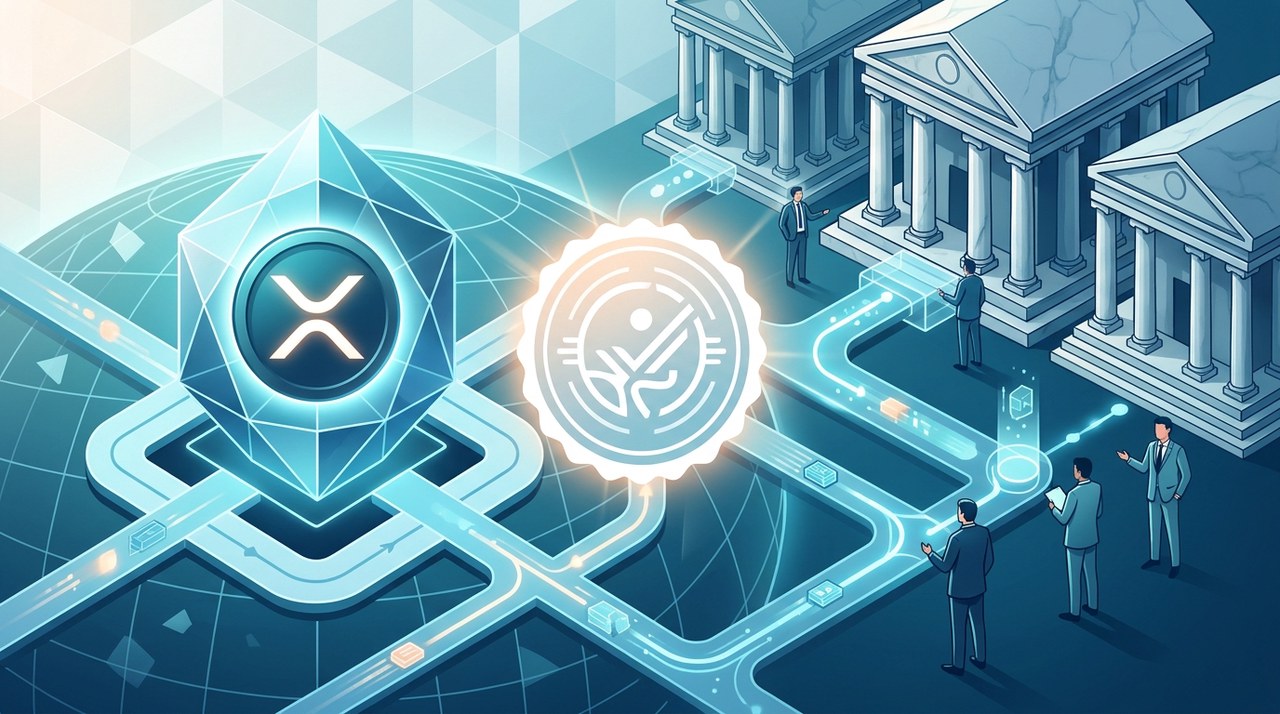
The XRPXRP+1.58% Ledger (XRPL) has marked a major institutional milestone in the digital asset space. On November 18, 2026, reports confirmed that XRPL became the first public, permissionless layer-1 blockchain to receive independent verification for key structural principles under the Global Layer One (GL1) Market Infrastructure Toolkit.
This assessment helps bridge the gap between traditional banking frameworks and public blockchain technology. Security firm CertiK conducted the independent audit based on evidence provided by the XRP Ledger Foundation.
What Is the Global Layer One (GL1) Initiative?
To understand why this news matters, it helps to look at what GL1 actually is. The Global Layer One initiative brings together international policymakers, banks, and major asset managers. Their main goal is to create common standards for digital financial infrastructure.
Think of GL1 as a unified global building code for digital financial highways. As banks explore tokenized deposits, stablecoins, and investment funds, they need assurance that blockchain networks meet strict operational requirements.
The GL1 Market Infrastructure Toolkit reviews networks across 10 core principles. These principles help financial institutions evaluate whether a network is secure, predictable, and resilient enough for heavy institutional workloads.
The 10 Core Principles of Digital Infrastructure
The GL1 framework evaluates blockchains across specific operational categories to see if they meet global banking standards:
- Governance: Clear rules for how the network operates and makes decisions.
- Legal Foundation: A solid legal basis for transactions on the network.
- Settlement Finality: Irreversible completion of transactions without risk of reversal.
- Architecture: High-level network design and systemic stability.
- Operational Resiliency: Ability to resist outages, attacks, and technical disruptions.
- Access: Fair and transparent criteria for network participants.
- Interoperability: Capacity to connect smoothly with other networks and legacy banking systems.
- Privacy: Appropriate protection of confidential user and institutional data.
What CertiK Verified on the XRP Ledger
The XRP Ledger Foundation (XRPLF) completed a self-assessment covering all 10 principles outlined in the GL1 toolkit. Following this submission, independent blockchain security firm CertiK audited the responses.
CertiK published its independent attestation report on November 13. The security firm specifically verified evidence related to two critical principles: Architecture and Operational Resiliency.
Because XRPL is a public and decentralized network, XRPLF also detailed how the ledger addresses risks typically managed by private, permissioned networks. This includes explaining how XRPL manages open-source governance and protocol amendments without compromising network integrity.
Why Tangible Proof Matters for Institutional Adoption
In the corporate financial world, marketing promises carry very little weight. Banks require audited, verifiable data before testing or deploying new technology.
Brett Mollin, Executive Director of the XRP Ledger Foundation, emphasized that financial institutions need tangible evidence rather than sales pitches. He noted that independent verification from CertiK provides institutions with added confidence during technical review processes.
It is important to note that this verification does not imply XRPL completely satisfies every single guideline in the GL1 toolkit. The XRP Ledger Foundation plans to update its assessments continuously as GL1 guidelines evolve and new protocol upgrades go live.
Broader Context: Institutional Trends and Crypto Market Activity
This regulatory compliance milestone comes during a busy period across the broader cryptocurrency industry. Traditional institutions are actively exploring blockchain infrastructure for tokenizing real-world assets.
For context, Bitwise CEO Hunter Horsley recently encouraged Americans to consider holding digital assets directly as traditional banking giants navigate structural challenges. Meanwhile, asset managers are eyeing expanded crypto products, such as proposed exchange-traded funds (ETFs) for privacy-focused coins like Zcash (ZEC).
Market data around the time of the announcement reflected mixed activity across major assets:
- XRP Market Cap: Approached $61 billion as prices touched the $1 level, even while two major investment funds recorded notable capital withdrawals.
- SolanaSOL+1.14%: Total market capitalization moved toward the $43 billion mark.
- Dogecoin (DOGEDOGE+0.49%): Reclaimed ground lost during earlier market dips.
Past performance of digital assets is not a guarantee of future results. For real-time asset prices and market metrics, readers can view live updates on bitkub.com/th/market/XRP.
What Lies Ahead for Regulated Financial Settlement
The independent verification of XRPL's architecture and resiliency marks a practical step forward for public layer-1 networks. Historically, major financial institutions favored private networks due to strict compliance standards.
By demonstrating alignment with international frameworks like GL1, public blockchains are showing that open networks can meet rigorous institutional criteria. As banks continue experimenting with cross-border tokenization, independent third-party audits will remain a key factor in future adoption.
Latest blog posts
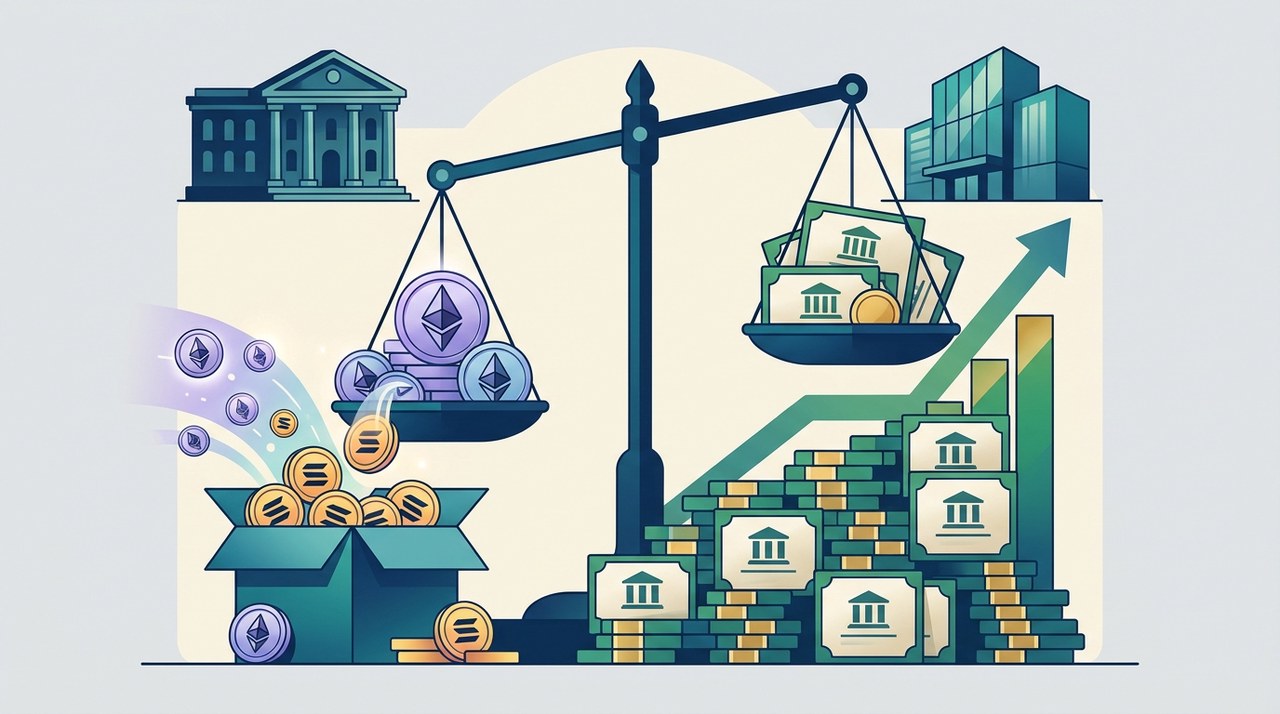


CoinShares Sells Entire Ethereum Treasury to Buy Stock
Europe's largest digital asset manager CoinShares sold all its Ethereum and half its Solana treasury positions, raising $19.3 million for stock buybacks.
|

Nvidia Reports $115.8B Revenue Amid Ransomware Rumors
Nvidia posted $115.8 billion in Q3 revenue, up 103% year-over-year, as unconfirmed ransomware claims from a hacker group surfaced online.
|
German Judge Offers Movie2k Operator Deal for $2.56B BTC
A German judge proposed dropping criminal charges against a former Movie2k operator if he surrenders $2.56 billion in Bitcoin, leaving him with $1 billion.
|