


XRP Falls Below $1 as Retail Traders Exit and Institutions Buy
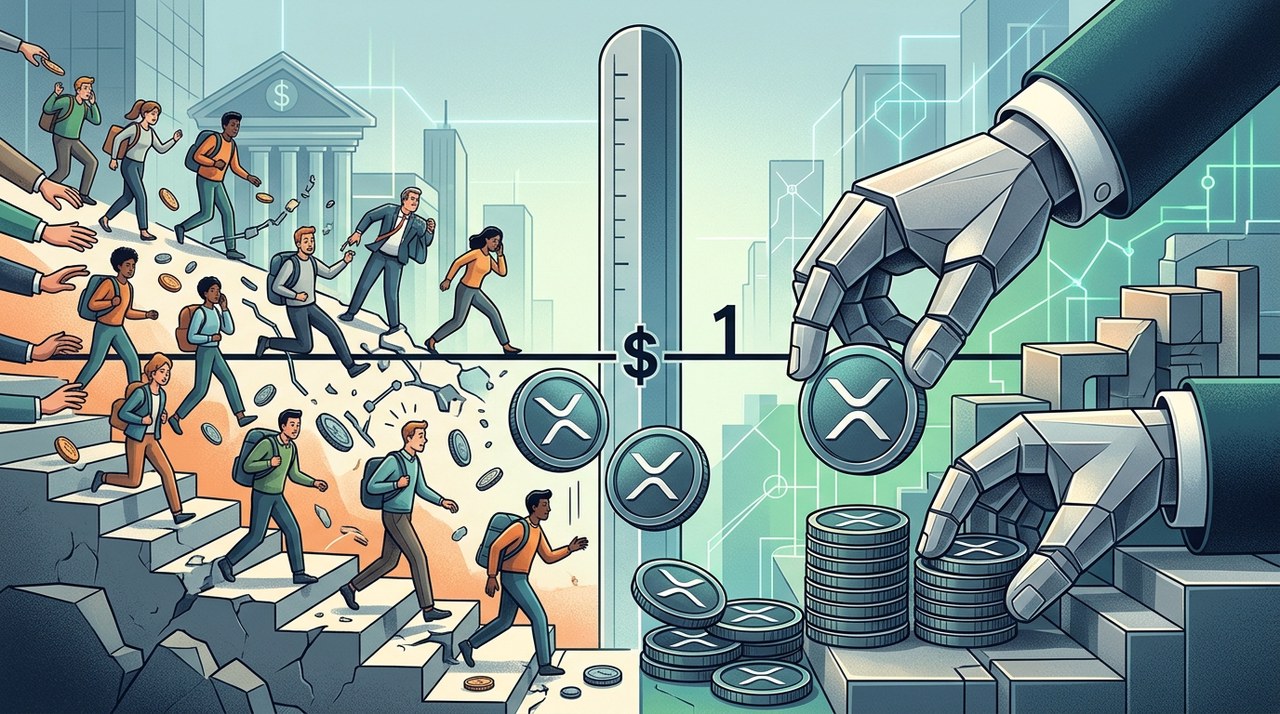
What Happened to the XRPXRP-0.69% Price?
If you follow cryptocurrency markets, you may have seen recent price shifts in XRP. The digital asset recently fell below the $1 threshold to trade around $0.997. This move comes after XRP reached local highs above $1.60.
This price drop occurred during a broader pullback across the entire crypto market. When sentiment changes quickly, price declines can happen fast.
To understand where XRP might head next, we can examine who is selling, who is buying, and how leverage impacts the market.
Why Retail Traders and Market Tourists Are Stepping Back
During strong market rallies, many individual retail investors enter the market. Analysts often refer to short-term speculative buyers as market tourists. These traders enter when prices rise quickly to capture short-term gains.
However, when volatility increases, these short-term participants tend to exit rapidly. As XRP fell from above $1.60 toward $0.997, retail sentiment weakened.
Several key factors drove this shift in retail behavior:
- Declining Short-Term Confidence: Rapid drops can spark fear among newer market participants.
- Profit-Taking: Traders who entered at lower levels chose to lock in remaining profits.
- Automated Stop-Loss Orders: Sell orders were triggered automatically as prices broke key support levels.
When many retail orders execute at once, downward price pressure builds quickly.
The Institutional View: Watching Key Support Levels
While short-term retail traders often react to daily price swings, experienced institutional participants take a different perspective. Instead of exiting during pullbacks, larger entities closely watch established support levels.
Reports suggest that while retail activity slowed down, larger institutions increased their holdings during the pullbacks. Institutional buyers often view price corrections as potential long-term strategic entries.
Think of institutional investors as patient buyers. When an asset rallies quickly toward $1.60, they may wait. When prices dip back under $1.00, they evaluate potential value opportunities.
However, institutional buying occurs gradually over time rather than all at once.
Understanding Liquidations in Crypto Trading
Another factor behind XRP's sudden drop was a series of market liquidations. Liquidations occur when traders use borrowed capital, known as leverage, to open trading positions.
If the market moves against a leveraged trade, the exchange automatically closes the position to limit losses. This forces a rapid sale of the asset on the open market.
Here is how liquidations accelerate price declines:
- Initial Price Drop: Normal selling pressure causes a slight market dip.
- Threshold Reached: The price reaches automated liquidation levels for leveraged long positions.
- Forced Market Selling: Exchanges sell assets automatically to settle leveraged balances.
- Cascading Effect: The sudden supply surge pushes prices lower, triggering additional liquidations.
This snowball effect contributed significantly to XRP dropping below the $1 mark.
Potential Market Scenarios Moving Forward
When analyzing where XRP could go next, it is important to consider multiple market scenarios. Crypto markets are dynamic, and future performance depends on broader market conditions.
Scenario 1: Potential Price Stabilization and Recovery
If XRP holds support around $0.997 and institutional accumulation continues, the market could stabilize. Under favorable market conditions and renewed trading volume, XRP could attempt to recover toward previous resistance levels.
However, a sustained recovery would require positive broader market momentum and stable macroeconomic conditions. If overall market confidence remains low, recovery could take longer.
Scenario 2: Extended Consolidation or Lower Dips
If support around $0.997 fails to hold, XRP could face further price pullbacks. Major market-wide sell-offs in BitcoinBTC-4.30% or EthereumETH-2.33% often push smaller digital assets lower.
In this scenario, XRP might trade sideways within a lower range until market demand rebounds.
Key Lessons for Crypto Investors
Market pullbacks are a routine part of cryptocurrency cycles. Understanding market mechanics helps investors keep a clear perspective during high volatility.
Here are important considerations when following crypto markets:
- Distinguish Short-Term Volatility from Long-Term Value: Daily price movements often reflect liquidations rather than long-term utility.
- Manage Risk Wisely: High leverage can amplify losses during unexpected market movements.
- Focus on Broad Data: Track overall market sentiment, institutional flows, and macro trends alongside price charts.
Always remember that past performance of digital assets is not a guarantee of future results. You can track real-time price changes and market updates on the Bitkub XRP Market.
Latest blog posts

SpaceX Stock Gains Premarket Ahead of Major Starship Launch
SpaceX shares rose 0.40% to $140.50 in premarket trading as investors look ahead to the ambitious Starship Flight 15 test launch from Texas.


Pi Network Volatility, Solana Support Test, and Zcash Drop
Pi Network experiences price swings ahead of its ecosystem summit, while Solana and Zcash face selling pressure and declining institutional demand.
|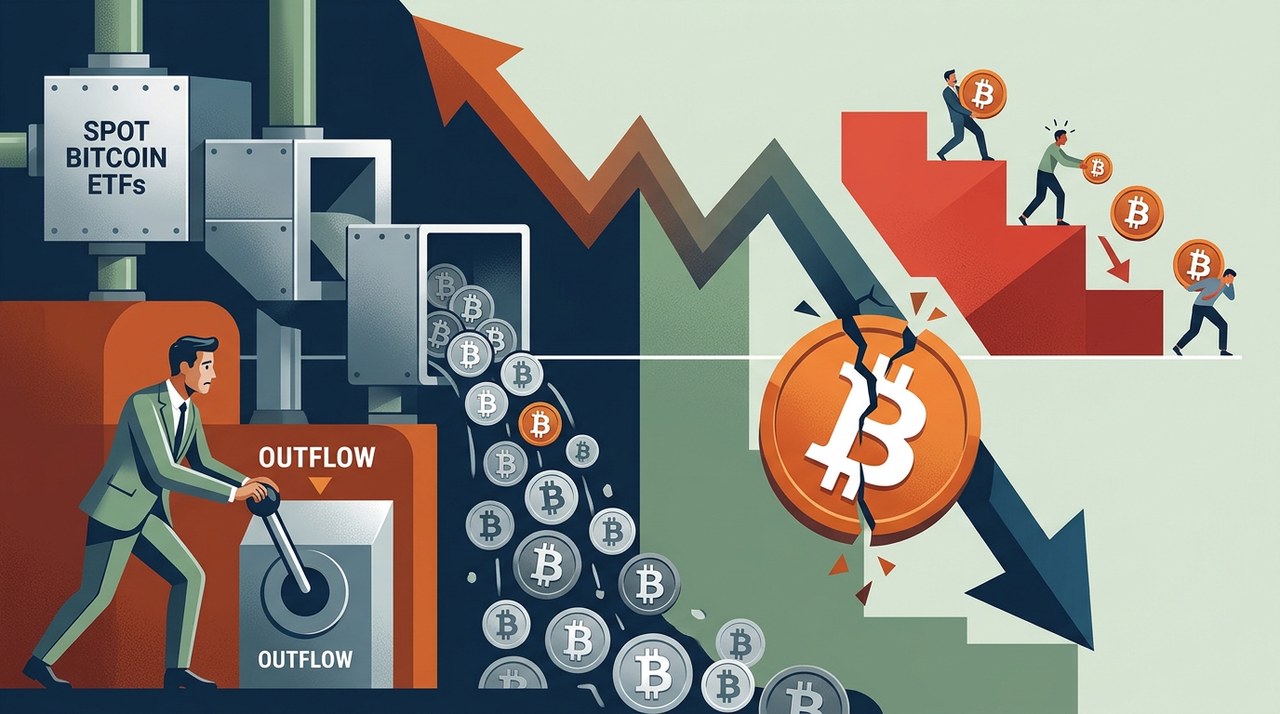
Why Bitcoin Dropped to $67.5K: Key Factors Explained
Bitcoin slipped below $68,000 amid institutional ETF outflows and cautious market demand. Here is a clear breakdown of the main factors driving current market movements.
|