
World Bank Taps Circle and Citi to Test Stablecoin Payments
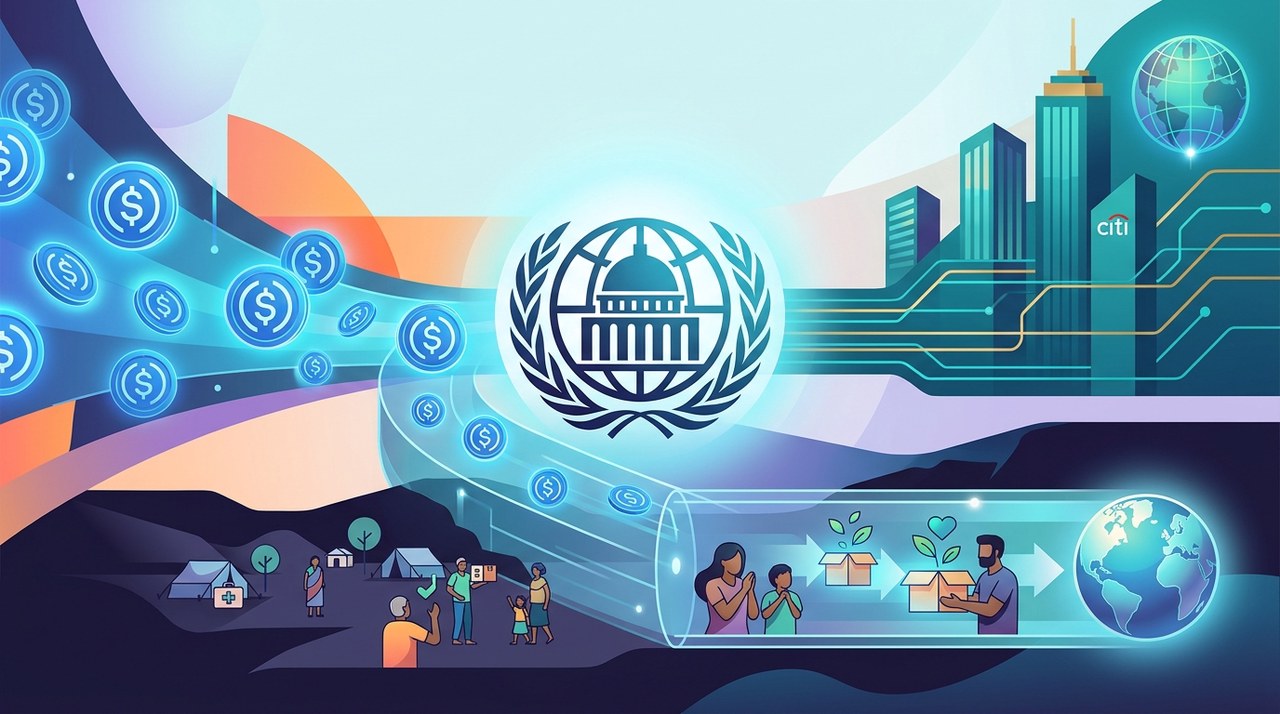
World Bank Explores Stablecoins for Global Aid
Imagine sending emergency aid money to a disaster zone, but the funds take days to clear because of traditional bank delays. That is a real challenge faced by global development organizations today.
To solve this problem, the World Bank Group is teaming up with financial heavyweights Circle and Citi. Together, they are launching a initiative to test stablecoin-based payment models for global fund disbursements.
The test initiative focuses on creating a payment setup that is both intermediated and interoperable. This approach aims to bring the speed of blockchain tech into standard institutional finance.
Breaking Down the Key Players
This joint project brings together three major entities across international development, digital assets, and commercial banking.
- The World Bank Group: An international financial institution that funds development projects and provides financial aid to developing countries.
- Circle: A leading fintech company best known as the official issuer of USD Coin (USDCUSDC-0.23%), a dollar-pegged stablecoin.
- Citi: A major global banking institution with vast experience managing cross-border payments and treasury operations.
What Does Intermediated and Interoperable Mean?
The initiative targets an intermediated and interoperable stablecoin-based payment model. These terms sound technical, but their core concepts are straightforward.
An intermediated model means trusted regulated institutions, like banks and compliant stablecoin issuers, remain in the payment loop. It maintains oversight, ensuring compliance with anti-money laundering standards and regulatory rules.
An interoperable model means the system can connect smoothly across different networks. It allows legacy banking infrastructure to communicate effortlessly with modern blockchain platforms.
Think of it like sending an email from a Gmail account to a Yahoo account. You do not need to worry about the underlying technical setup, because both systems interoperate seamlessly.
Why Traditional Cross-Border Payments Need an Upgrade
Sending money internationally today can feel slow and complex compared to other modern digital services.
Traditional international wire transfers rely on correspondent banking networks. Funds pass through multiple intermediary banks before reaching their final destination.
Every bank along the chain charges processing fees and performs separate checks. This process often takes several business days and increases overall transaction costs.
For international aid projects, these delays can hinder quick execution on the ground when every minute counts.
How Stablecoins Can Improve Fund Delivery
Stablecoins are digital tokens linked to traditional assets like the US dollar. They combine the price stability of fiat currency with the efficiency of distributed ledger technology.
Using stablecoins for disbursements offers several potential advantages for public sector institutions and international organizations.
- Faster Settlements: Payments settle in minutes or seconds rather than taking days.
- Continuous Operation: Blockchain networks run 24 hours a day, 7 days a week, avoiding holiday delays.
- Lower Fees: Removing multiple intermediary layers reduces transaction costs.
- Clear Traceability: Public ledgers offer transparent record-keeping, making it easier to track aid money.
Risks and Regulatory Considerations
While stablecoin technology offers clear efficiency gains, integrating it into global public finance requires careful risk management.
Regulatory compliance is essential. Institutions must ensure strict adherence to Know Your Customer (KYC) guidelines and global anti-money laundering standards.
Cybersecurity and system reliability are also crucial factors. Technical frameworks must be thoroughly tested against vulnerabilities before handling large-scale fund distributions.
Additionally, market liquidity and operational stability must be maintained continuously when managing digital asset transactions.
Looking Ahead: Bridging Traditional Finance and Blockchain
This testing project highlights a broader trend in the financial world. Major global institutions are actively exploring blockchain technology to modernize traditional processes.
By working directly with Circle and Citi, the World Bank Group is exploring practical ways to improve international fund transfers.
If successful, this pilot project could provide a valuable model for how global institutions manage cross-border aid and development funding in the future.
Latest blog posts



 +2
3 Altcoins Defy the Market Crash as Bitcoin Hits Two-Year Low
Bitcoin fell near $55,000 amidst market liquidations, but Pieverse, Venice Token, and Pearl managed to record notable weekly gains.
|

Shiba Inu Netflow Drops to 18B: Is Selling Pressure Easing?
Shiba Inu saw its exchange netflow drop sharply to 18 billion SHIB as selling pressure cools down, alongside a modest 1.51% price uptick.
|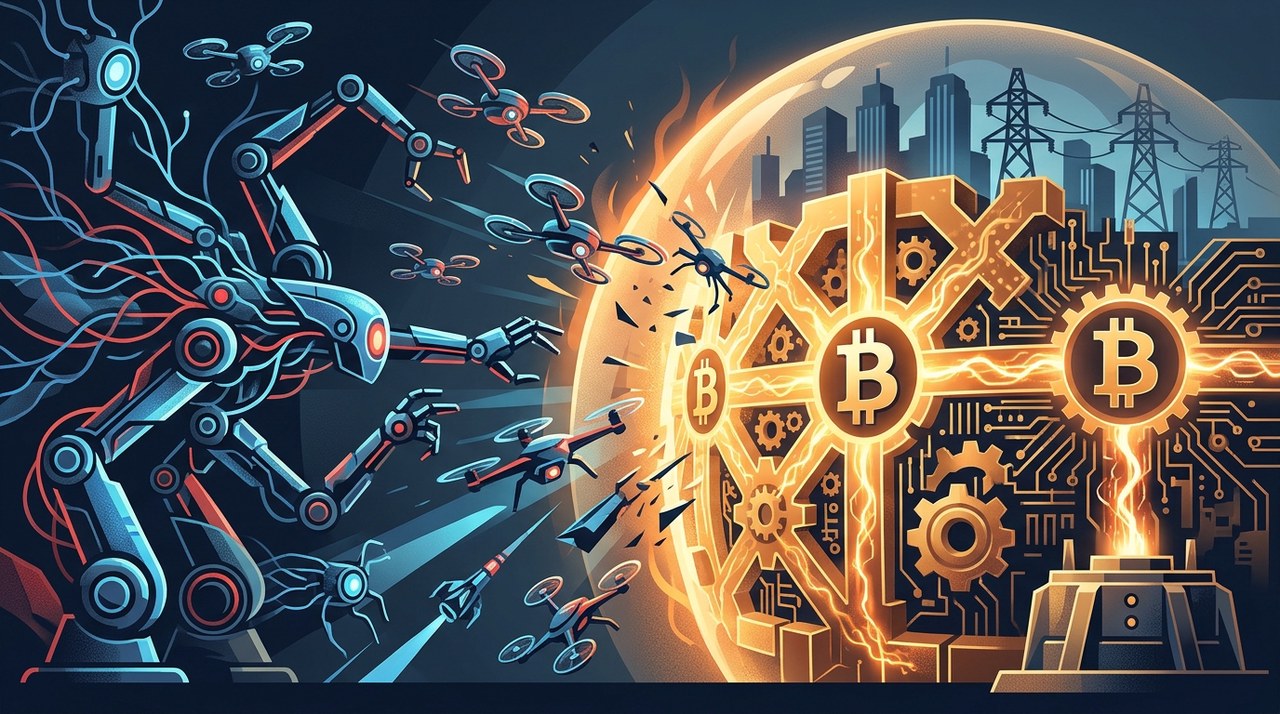

Can Bitcoin's Proof-of-Work Stop AI Cyberattacks?
Former Space Force Director Major Jason Lowery proposes using Bitcoin's Proof-of-Work security mechanism to defend U.S. infrastructure against AI threats.
|