
What Happened in Crypto Today? Daily Market and Policy Digest

What Happened in Crypto Today? Your Daily Market Snapshot
The cryptocurrency market moves quickly, and keeping up with daily changes can feel overwhelming. Whether you are new to digital assets or follow the market closely, staying informed helps you understand where the technology and financial landscape are heading. Today's updates cover key developments across BitcoinBTC-0.18% price dynamics, regulatory news, and decentralized finance.
In this guide, we break down today's top stories into simple, everyday language so you can quickly grasp what matters most in the world of Web3 and blockchain.
Bitcoin Market Trends and Macroeconomic Drivers
Bitcoin remains the primary benchmark for the overall digital asset market. Today, market participants observed steady activity influenced by both institutional capital movements and broader macroeconomic signals.
A major driver of recent price movements has been net institutional flows in spot Bitcoin Exchange-Traded Funds (ETFs). When capital flows into these products, it places direct demand on spot markets. Conversely, periods of sustained net outflows can lead to short-term price pullbacks.
Broader economic factors like interest rate decisions from central banks also shape market direction. When central banks cut rates, liquidity in global financial markets increases, which can support risk assets. However, if inflation concerns persist and interest rates remain high, digital asset prices can experience extended consolidation periods.
It is important to remember that past trends do not guarantee future performance. Past performance of digital assets or past operational performance is not an indicator of future results.
Understanding Market Scenarios and Price Dynamics
Analysts usually examine market trajectories through conditional scenarios rather than fixed predictions, as short-term price movements depend on multiple shifting factors.
For example, in a favorable scenario where institutional ETF inflows remain strong and monetary policy eases globally, some analysts suggest Bitcoin could test higher resistance levels over a 6 to 12 month period. On the other hand, if unexpected macroeconomic headwinds arise or regulatory pressure increases, prices could adjust downward to lower support zones.
By evaluating both potential upside factors and downside risks, market participants can maintain a balanced view of digital asset volatility.
Key Highlights from Today's Market Action
- Spot ETF flows continue to act as a major daily catalyst for market liquidity.
- Macroeconomic policy decisions directly influence investor interest in digital assets.
- Market cycles naturally balance growth phases with consolidation periods.
Regulatory Developments Shaping the Global Market
Government agencies around the world are continuing to refine regulatory guidelines for digital asset service providers. Clear regulatory structures aim to protect consumers while creating structured rules for market participants.
In the United States, regulators and lawmakers are actively discussing legal definitions for digital tokens, stablecoin reserve standards, and rules for trading platforms. These discussions help determine how financial institutions can interact with blockchain technology.
Over in Europe, the Markets in Crypto-Assets (MiCA) framework is setting comprehensive rules across all member states. MiCA mandates clear disclosures, strict liquidity reserves for stablecoin issuers, and operational standards for exchanges.
In Asia, major financial centers like Hong Kong and Singapore continue to grant licenses to digital asset platforms that meet strict Anti-Money Laundering (AML) and investor protection requirements.
Why Regulatory Clarity Matters
Clear and fair regulations help build confidence in the ecosystem. When rules are well-defined, institutional entities like banks and asset managers can develop compliant services, giving individuals safer access to Web3 applications.
Progress in DeFi and Web3 Infrastructure
Beyond news on prices and regulations, developers continue to improve the underlying technology supporting Decentralized Finance (DeFi) and Web3.
Layer-2 scaling solutions are making blockchain transactions faster and more affordable. By processing transactions off the main blockchain before settling them together, Layer-2 networks lower gas fees for everyday activities like decentralized trading and token transfers.
Additionally, the tokenization of Real-World Assets (RWAs) is expanding. Traditional financial institutions are increasingly exploring how tokenized government bonds and real estate can improve settlement efficiency and liquidity.
DeFi Innovations to Keep an Eye On
- Layer-2 networks reduce transaction costs for everyday decentralized finance users.
- Real-World Asset (RWA) tokenization connects traditional finance with blockchain infrastructure.
- Cross-chain security protocols continue to improve inter-network transfers.
Security Essentials for Digital Assets
Because digital assets give you direct control over your funds, personal security is essential. Protecting your private keys and seed phrases is the most important step in keeping your assets safe.
Using hardware wallets for long-term storage, enabling multi-factor authentication (MFA) on exchange accounts, and double-checking web addresses before connecting wallets are effective ways to protect yourself against online threats.
Looking Forward
The cryptocurrency landscape evolves constantly as economic factors, regulations, and technologies develop together. Staying informed with simple daily updates helps you keep up with shifts in Web3 and global finance.
Always conduct thorough research and evaluate your own financial objectives when exploring digital asset markets.
Latest blog posts


 +2
Bitcoin Retail Wallets Drop as Price Tests Support
Over 108,000 Bitcoin wallets have emptied since mid-October as BTC traded back below $75,000. Here is a breakdown of what the technical data shows.
|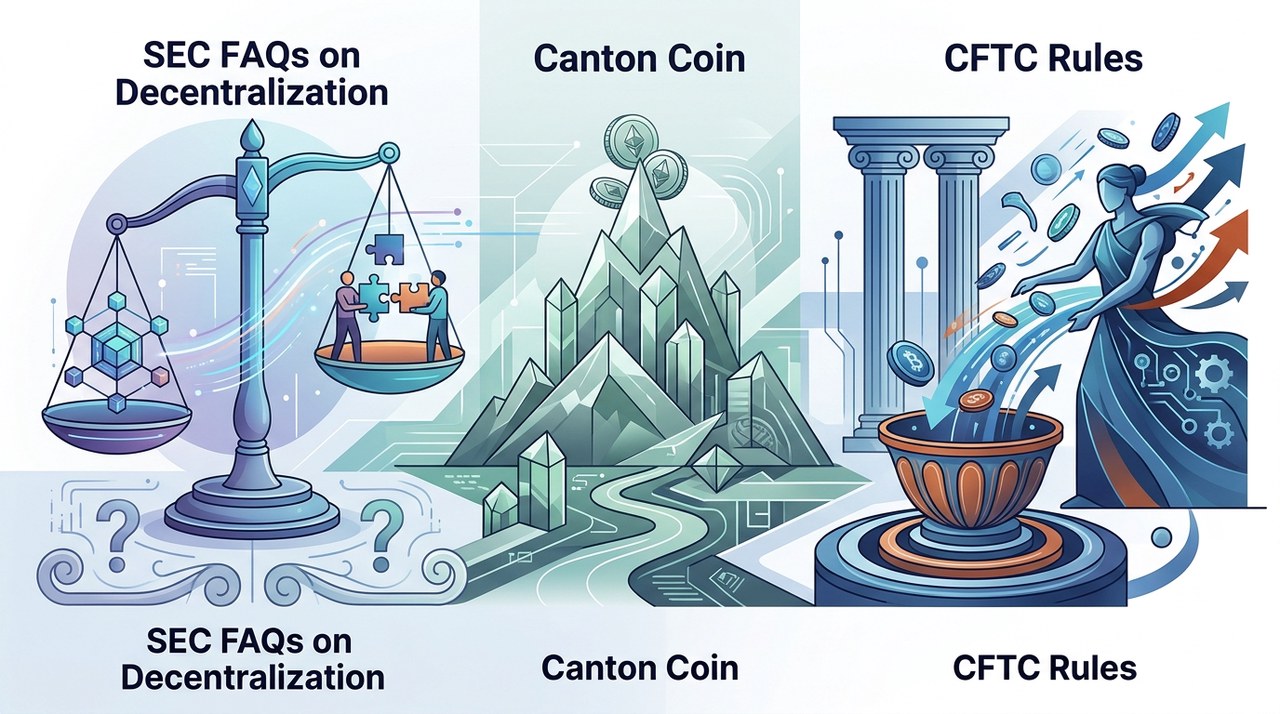


Crypto Law Update: SEC FAQs, Canton Coin, and CFTC Rules
A simplified breakdown of major regulatory actions from the SEC, CFTC, OFAC, and a high-profile law enforcement case.
|
Bitcoin Holders Split as Retail Leaves and Smart Money Buys
Bitcoin market data reveals a clear split as small retail wallets decline while mid-tier holders accumulate despite ongoing spot ETF outflows.
|