Visa Tests AI Agent Wallets for OUSD Task Earnings
Visa Expands Into Machine-to-Machine Payments
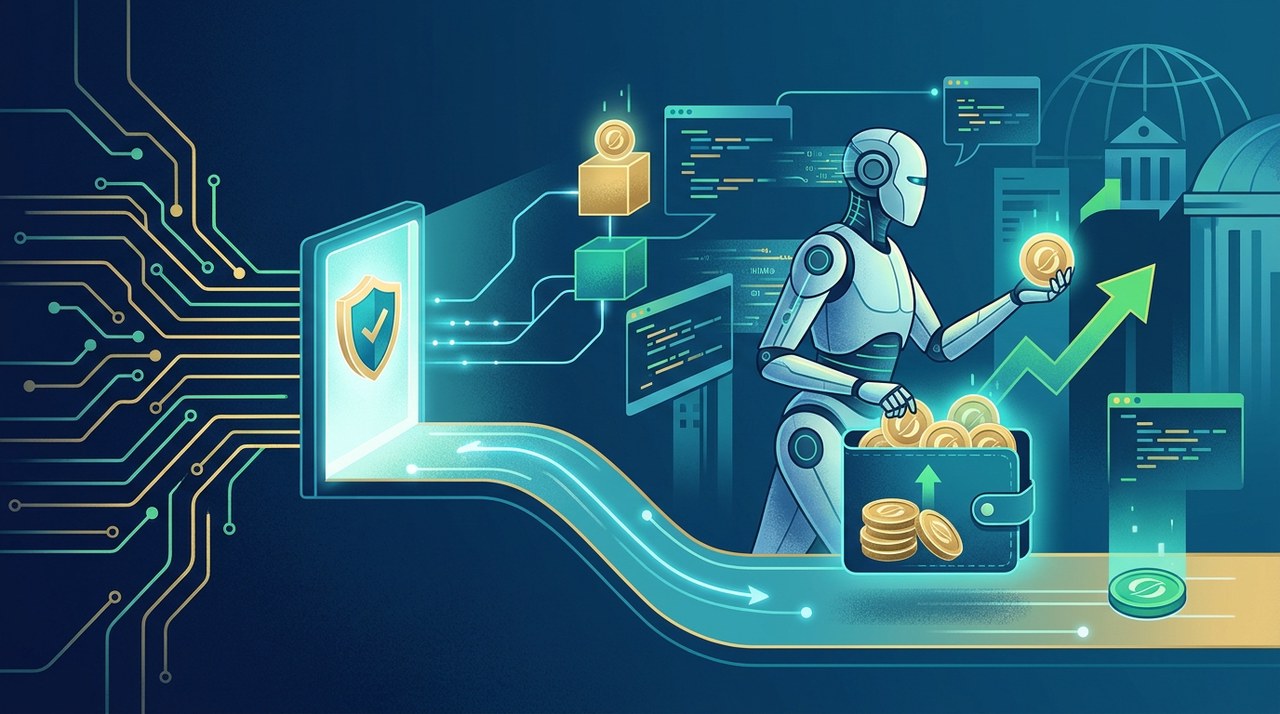
Payment giant Visa is taking a notable step into the world of artificial intelligence and digital assets. The company is testing an experimental system that allows AI agents to complete paid tasks and earn digital currency directly into their wallets.
Through this new pilot program, eligible users in the United States can deploy autonomous AI agents on participating task marketplaces. When these digital agents complete jobs, they receive earnings in OUSD, a yield-bearing stablecoin.
How the Experimental AI Agent System Works
Imagine having a digital worker that performs online tasks for you around the clock. Instead of a human manually clicking through every assignment, an autonomous AI program executes specific jobs posted on digital marketplaces.
Visa facilitates this process by extending its existing verification infrastructure. This framework ensures that each AI agent has a verified identity before taking on jobs and receiving payments.
Core Components of the Program
- Agent Verification: Visa provides secure identity checks to ensure AI agents act within authorized boundaries.
- Task Marketplaces: Participating online platforms list gig opportunities tailored for automated workflows.
- OUSD Settlement: Earnings are paid directly to the agent's digital asset wallet using stablecoins.
Understanding OUSD and Digital Payments
OUSD, also known as Origin Dollar, is a decentralized stablecoin designed to track the value of the US dollar while generating yield for holders. Using stablecoins for automated micro-tasks offers several practical advantages over traditional financial rails.
Traditional banking networks often struggle with instant micro-payments due to processing delays and high transaction fees. Blockchain-based payments allow AI agents to settle earnings almost instantly across borders.
However, users should keep in mind that stablecoins and decentralized yield systems carry unique operational risks. While stablecoins aim to maintain price stability, market fluctuations and smart contract risks still apply.
The Growth of Autonomous Machine Commerce
Machine-to-machine commerce is becoming one of the most intriguing frontiers in tech. Autonomous AI agents can analyze datasets, manage cloud services, and trade resources without requiring constant human monitoring.
By enabling these agents to earn income through verified financial tools, Visa is exploring how identity frameworks can support a future economy powered by autonomous software.
Program Limits and Compliance Risk Awareness
Currently, this feature remains an experimental pilot limited to select users in the United States. Visa is gathering operational data to evaluate security, fraud prevention, and performance before considering any broader rollout.
Participants in digital asset programs should always remain mindful of market conditions. Crypto assets can experience volatility, and automated task platforms depend on software code that carries technical exposure.
Past performance of digital assets or decentralized protocols is not a guarantee of future returns. You can monitor digital asset market updates on platforms like Bitkub Market.
What Lies Ahead for AI and Blockchain Payments
Visa's pilot bridges traditional identity infrastructure with decentralized payment networks. As AI capabilities expand, combining autonomous agents with transparent blockchain networks could open new avenues for global gig workers and automated businesses.
Latest blog posts



 +2
Cardano (ADA) Signals Daily Death Cross: Key Scenarios
Cardano registered a daily death cross on November 23, 2026. Here is a breakdown of recent ADA price trends, key technical levels, and network updates.
|


Bitcoin Hits Rare 7 Red Weekly Candles: What It Means
Bitcoin has recorded seven consecutive red weekly candles for only the third time in history, sparking debate among traders over market bottom signals.
|
Bitcoin Breaks Streak of Lower Highs: What Does It Mean?
Bitcoin pushed above its prior day high on Sunday, offering an early signal that selling pressure might be easing despite a 21% decline in November.
|