US Treasury Drops Proposed Crypto Travel Rule Expansion
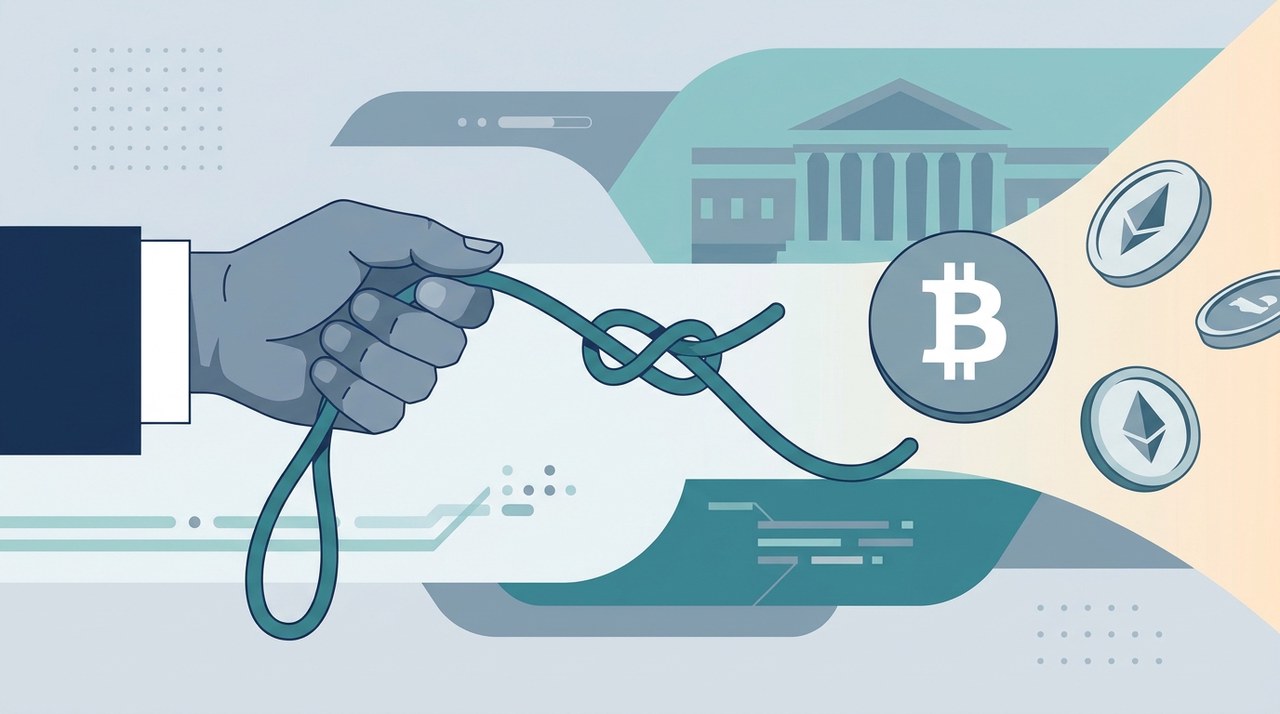
US Treasury Withdraws Controversial Crypto Rule
The U.S. Department of the Treasury has officially pulled back a controversial regulatory proposal. This proposal aimed to expand strict reporting requirements for cryptocurrency transactions.
The decision marks a major moment for digital asset regulations in the United States. It brings relief to privacy advocates, blockchain developers, and everyday crypto users.
Originally, the proposal sought to increase oversight on transactions involving self-custodial wallets. However, after extensive public feedback, regulators decided not to move forward with the rule in its current form.
What Was the Travel Rule Proposal About?
To understand this decision, it helps to look at how traditional banking rules work. In regular finance, institutions follow something called the Travel Rule.
When you send money from one bank to another, the banks share personal details about who is sending and receiving the funds. This helps authorities trace illicit financial flows.
The Treasury Department, through its Financial Crimes Enforcement Network (FinCEN), wanted to expand similar rules to crypto. The proposed rule targeted transfers between centralized crypto exchanges and private, self-custodial wallets.
Key Points of the Initial Proposal
- Lower Thresholds: Exchanges would have to verify and record personal names and physical addresses for transfers over certain amounts.
- Self-Custody Focus: Transactions sent to private hardware or software wallets would face identity verification rules.
- Strict Reporting: Financial institutions would need to file reports directly to government agencies for transactions exceeding specific thresholds.
Why Was the Proposal Controversial?
The cryptocurrency industry reacted strongly when the government first announced the proposed changes. Critics raised several important concerns about how the rule would function in practice.
Unlike traditional banks, self-custodial wallets do not have a middleman or a compliance officer. They are simply software programs controlled entirely by individual users.
Primary Concerns Raised by Critics
- Privacy Risks: Collecting detailed personal information for non-custodial transactions could create large databases vulnerable to cyberattacks.
- Technical Limits: Blockchain networks operate automatically through smart contracts, making compliance nearly impossible for decentralized protocols.
- Stifling Innovation: Strict identity rules could push web3 development and financial technology innovation outside the United States.
- User Burden: Everyday individuals would face complex verification steps just to move their own digital assets to a personal hardware wallet.
Why Did the Treasury Change Its Mind?
When regulators propose new financial rules, they open a public comment period. Thousands of crypto companies, legal experts, and individuals submitted formal feedback expressing opposition.
Industry advocates argued that the proposed rule was technologically unfeasible and unfairly targeted peer-to-peer digital transactions.
After evaluating the public response and practical challenges, the Treasury decided to officially withdraw the draft. This step allows regulators to re-evaluate how they approach digital asset surveillance.
What Does This Mean for Crypto Users?
For individual investors and wallet holders, this withdrawal maintains the status quo for self-custody transfers. You do not need to provide extra identity verification steps to move crypto to your private wallet under this proposed rule.
However, regulators around the world continue to work on frameworks for monitoring digital asset movements. The withdrawal does not mean regulation is stopping entirely.
Instead, it signals that government agencies may need to craft clearer, more practical guidelines that account for how blockchain technology actually functions.
Navigating Regulatory Updates Safely
Regulatory announcements can influence market sentiment and price volatility across crypto assets. Market participants should keep track of official regulatory updates while considering risks carefully.
To keep your assets secure, always use reliable self-custody solutions and double-check wallet addresses before completing transactions.
Digital asset regulation continues to evolve rapidly. Staying informed about government policies helps users navigate the crypto ecosystem safely.
Latest blog posts


Terawulf and IREN Bet Big on AI as Bitcoin Mining Shrinks
Bitcoin miners Terawulf and IREN are shifting focus to AI data centers as traditional crypto mining revenues drop sharply.
|
Greece Passes Crypto Tax Law With 10% Gains Levy, 15% on Staking
Greece has approved a new crypto tax framework, introducing a 10% capital gains tax and a 15% rate on staking and DeFi income.

Gnosis Pay Data Breach: User Info Exposed, Funds Safe
Gnosis Pay reported a security incident exposing card and personal data, but confirmed that customer crypto funds remain secure.
|