US Senators Seek SEC Answers on Tokenized Stock Risks
US Lawmakers Highlight Risks in Tokenized Stock Markets
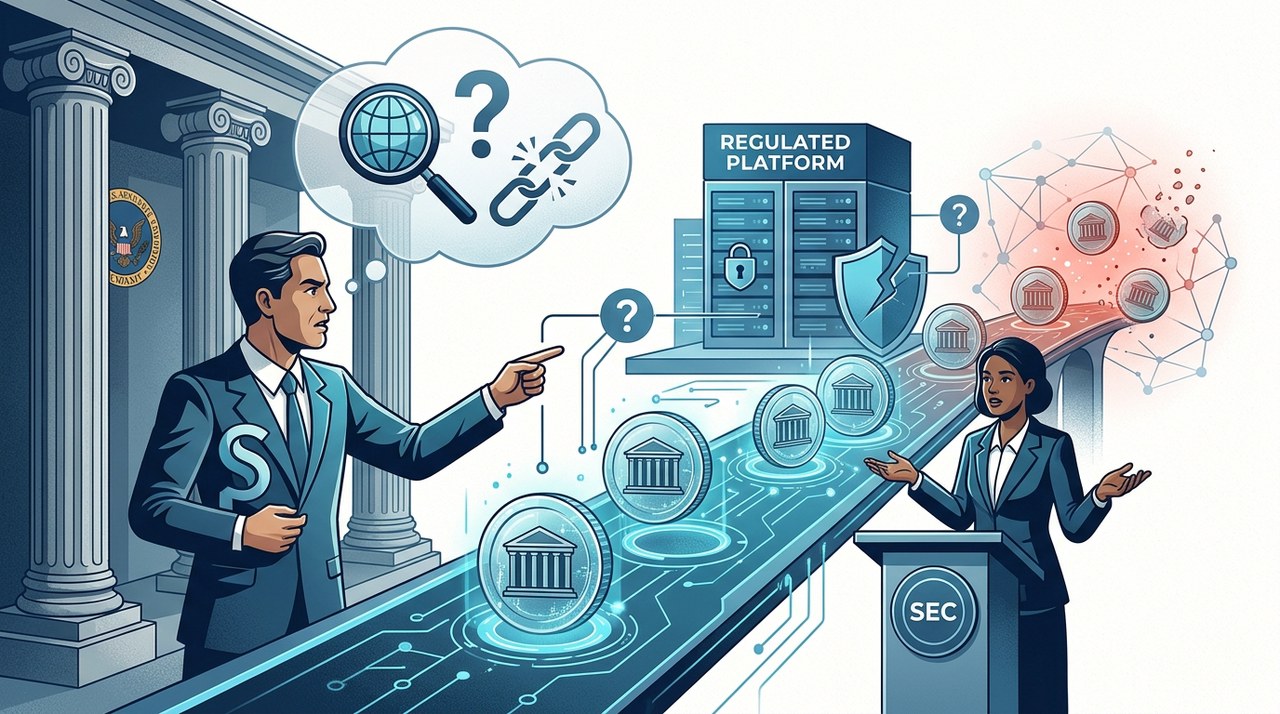
Four Democratic senators in the United States have officially reached out to the Securities and Exchange Commission (SEC) regarding the fast-growing trend of tokenized equities.
The lawmakers are seeking clear answers on money laundering risks and regulatory enforcement. Specifically, they want to know what happens when digital tokens representing company shares leave regulated trading platforms.
Understanding How Tokenized Stocks Work
To understand the lawmakers' concerns, it helps to break down what tokenized stocks actually are.
A tokenized stock is a digital version of a traditional corporate share recorded on a blockchain network. Think of it like a digital ownership receipt that tracks the underlying asset.
Instead of holding shares exclusively through standard stock brokerages, investors can hold digital tokens that mirror those shares.
Tokenized stocks come with several key features:
- 24/7 Market Access: Unlike traditional stock exchanges with set operating hours, blockchain networks run continuously.
- Fractional Shares: Investors can purchase small fractions of high-value shares easily.
- Faster Transfers: Blockchain technology enables rapid settlement times compared to traditional clearing systems.
The Risk: Moving Off Regulated Platforms
Trading digital assets on regulated platforms typically involves identity checks, known as Know Your Customer (KYC) procedures. These platforms actively monitor transactions to prevent financial crime.
However, public blockchains allow peer-to-peer transfers. Users can move tokens directly into private, self-custodial wallets.
Once tokenized stocks are transferred off regulated platforms, identifying the wallet owner becomes far more complex. This creates potential compliance gaps.
Two Major Questions Posed to the SEC
The four senators focused their inquiry on two major compliance points:
- Legal Responsibility: Who bears responsibility when tokenized shares are transferred outside regulated trading platforms?
- Asset Control and Recovery: Does the SEC have the legal authority and technical capability to freeze or recover tokenized shares involved in illicit activity?
Money Laundering and Freezing Capabilities
Preventing money laundering is a top priority for global financial regulators. Lawmakers worry that illicit actors could use off-platform token transfers to move funds undetected.
In traditional finance, regulators can order banks or brokerages to freeze accounts suspected of illegal activity.
In the crypto space, freezing tokens depends heavily on how the token's smart contract was designed. If the issuer included a blacklist feature, specific wallet addresses can be blocked from moving tokens.
Without built-in administrative controls, recovering or stopping token movements on a decentralized network can be challenging.
Looking Ahead: Balancing Innovation and Compliance
The senators' letter underscores the ongoing debate over how to integrate real-world assets (RWAs) into decentralized networks safely.
While asset tokenization offers efficiency and wider market access, regulatory clarity remains essential for long-term growth.
Investors should keep in mind that digital asset regulations are continually evolving. Understanding both technical structures and regulatory policies helps navigate these emerging financial products.
Latest blog posts
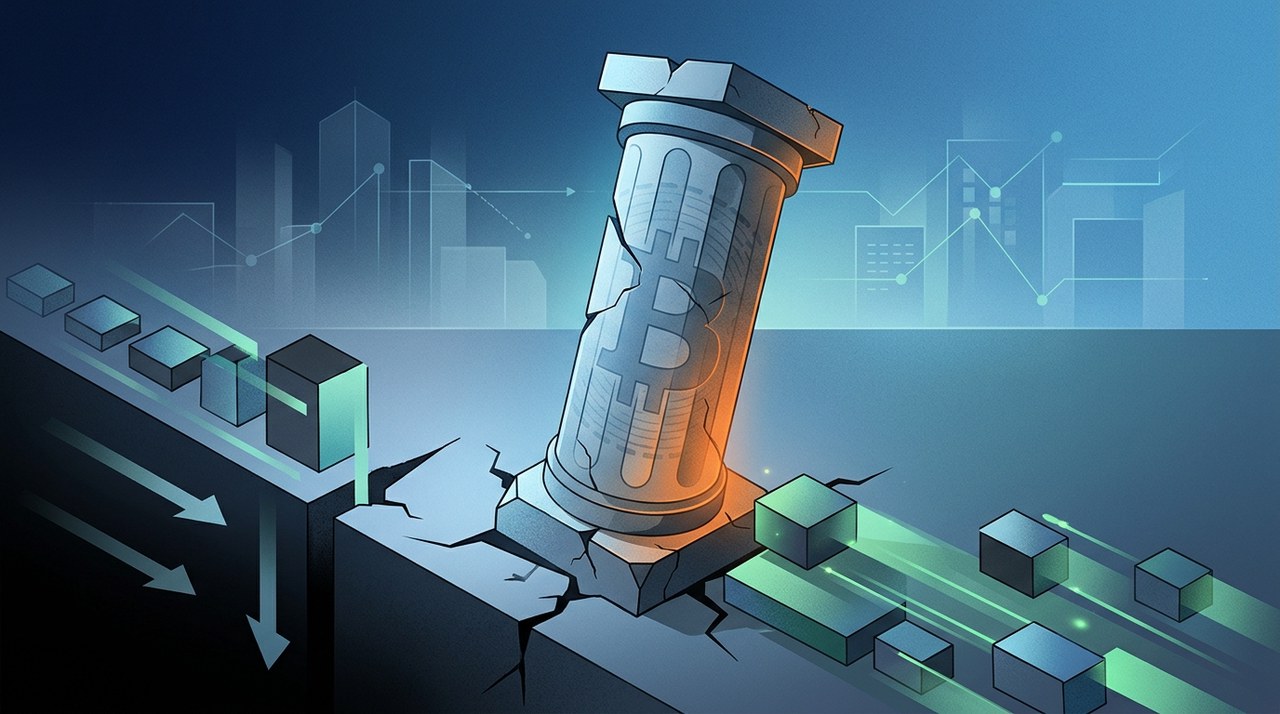

Bitcoin Hovers Near $64,000 as ETF Outflow Streak Ends
Bitcoin trades around $64,200 after a 1.0% drop since midnight UTC, with its weekend recovery stalling despite ETF outflows coming to an end.
|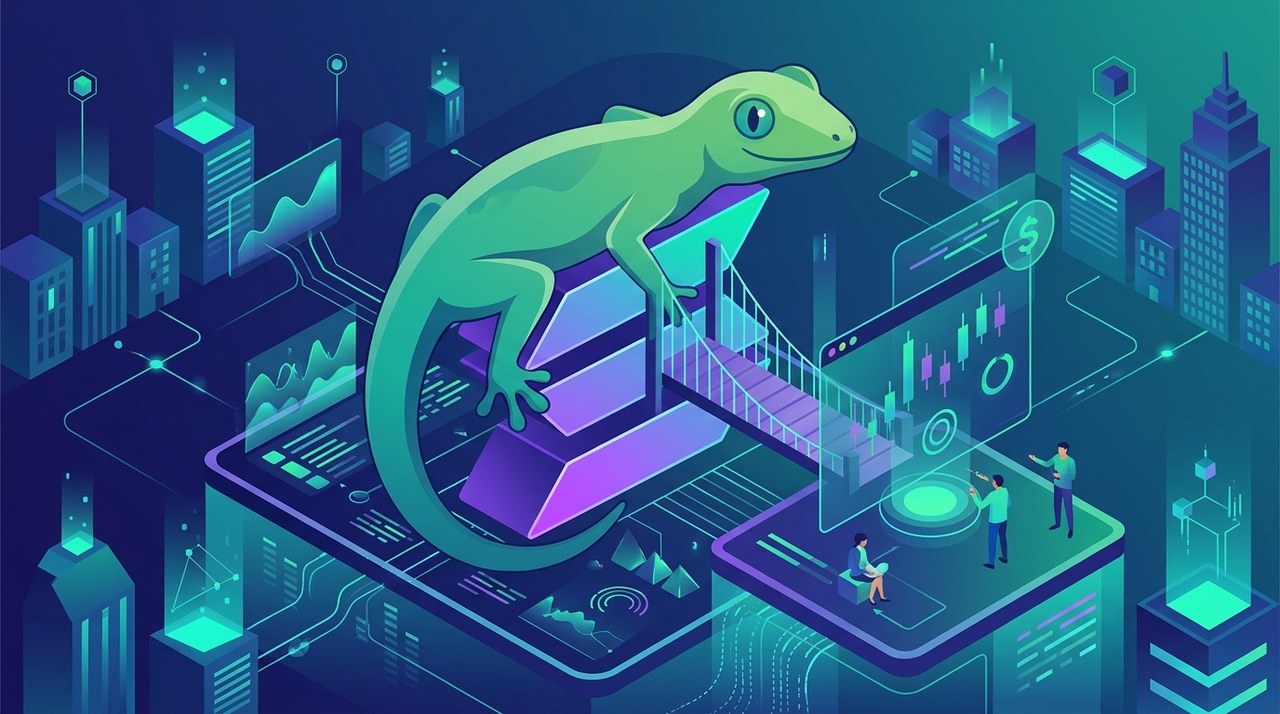

Solana Foundation Acquires Stake in Data Provider CoinGecko
Solana Foundation takes a majority stake in CoinGecko to enable native Solana-powered trading across web and app platforms.
|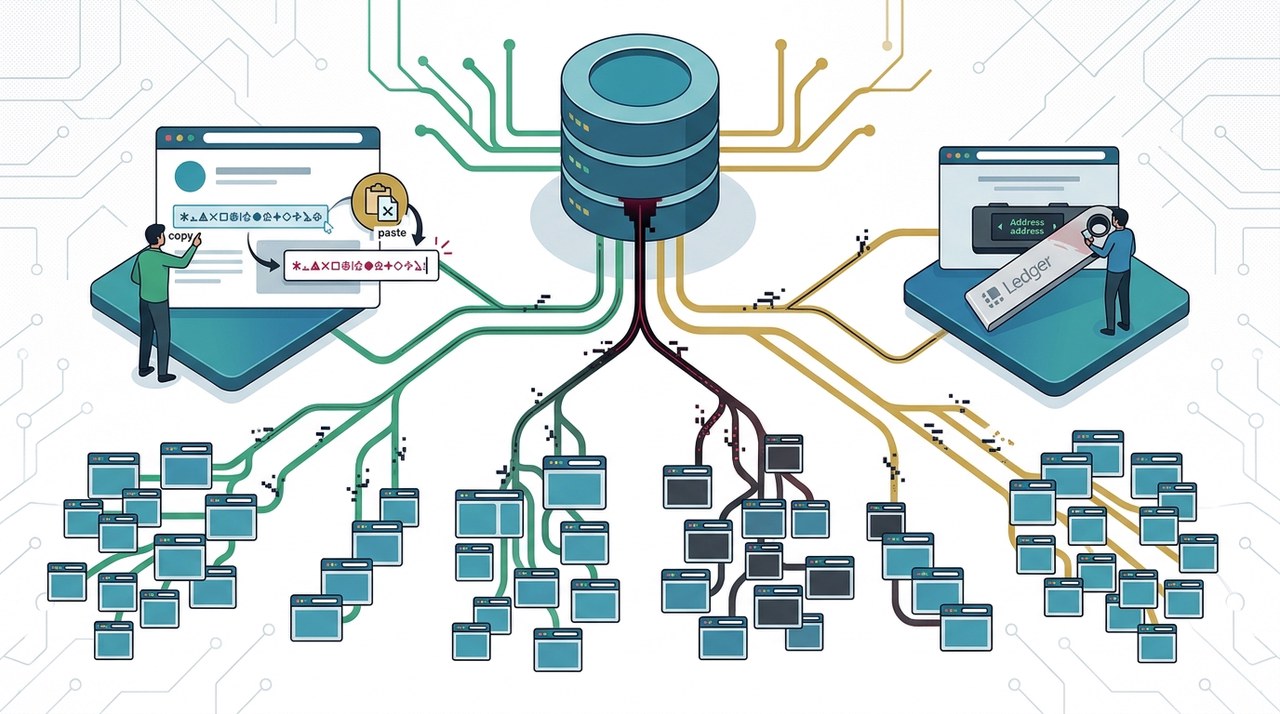

Optimizely Breach Hits 178 Sites to Swap Crypto Addresses
A supply-chain security incident on web tool Optimizely targeted Ledger, BBC, and 176 other sites to modify crypto wallet addresses.
|