US Scraps Proposed $10k Crypto Private Wallet Rule
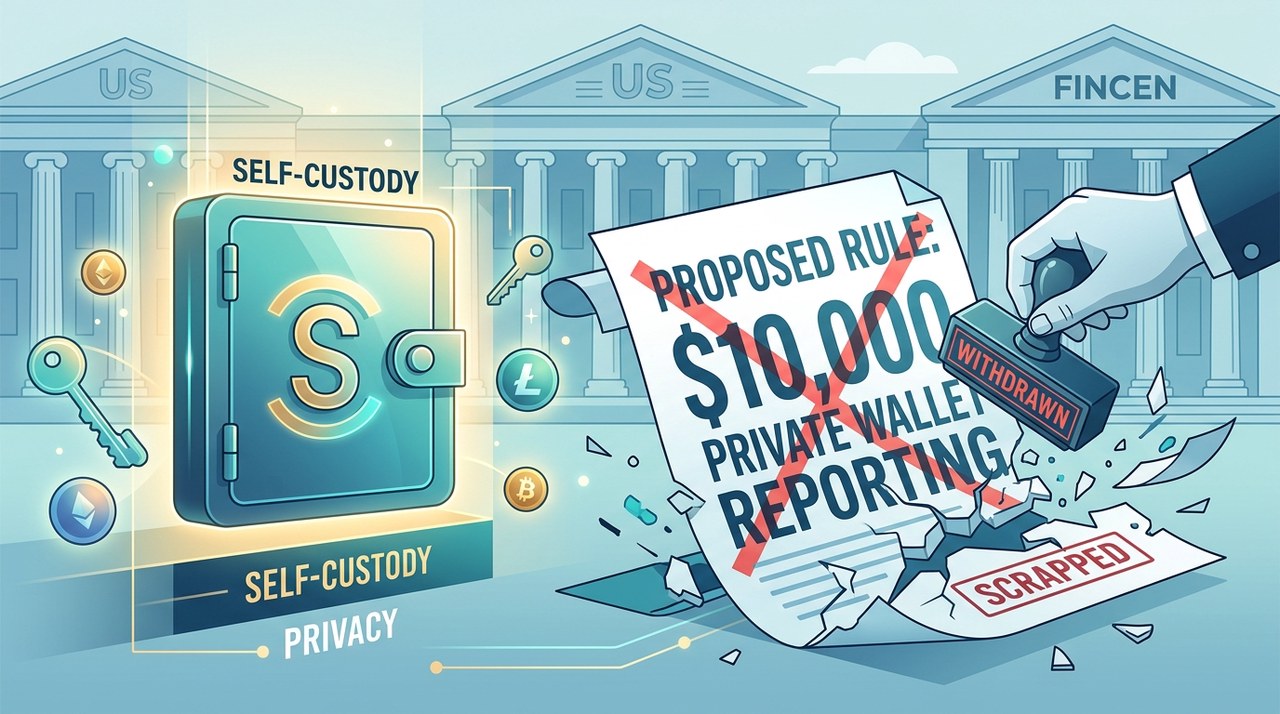
A Major Relief for Self-Custody Crypto Holders
If you keep your cryptocurrency in a private wallet rather than on an exchange, you just got some big news from Washington. The U.S. Department of the Treasury has officially scrapped a proposed rule that would have forced crypto platforms and financial institutions to report large transfers sent to private, self-controlled wallets.
The Financial Crimes Enforcement Network, widely known as FinCEN, announced on Sunday that it is withdrawing the proposal. Along with it, the agency also killed a second proposed rule that targeted crypto mixing services. Neither of these rules ever went into effect, but they had been hanging over the heads of the crypto industry for several years.
According to FinCEN, dropping these proposals aligns directly with the Trump administration's broader deregulatory agenda. The goal, according to regulators, is to focus on creating rules for digital assets that are genuinely 'fit-for-purpose' rather than relying on outdated or overly burdensome frameworks.
Breaking Down the $10,000 Private Wallet Proposal
To understand why this decision is such a big deal, we need to take a quick step back to December 2020. During the final weeks of the first Trump administration, FinCEN introduced a regulation that sparked immediate controversy across the entire crypto community.
Under that original proposal, banks and money-service businesses—which includes centralized crypto exchanges like Coinbase or Kraken—would have been required to file official reports whenever a customer transferred more than $10,000 worth of crypto to or from an 'unhosted wallet.'
Crucially, this $10,000 threshold was not just for single transactions. If a user made multiple smaller transfers that added up to $10,000 or more within a 24-hour window, the reporting requirements would still kick in. On top of that, financial firms would have been required to collect personal information about both their customer and the third party receiving or sending the crypto on the other end.
What Is an 'Unhosted' or Self-Custody Wallet?
In regulatory terms, FinCEN refers to private wallets as 'unhosted wallets.' In the crypto world, however, most people call them self-custody wallets or hardware wallets.
Think of a centralized crypto exchange like a traditional bank account. When you keep your crypto on an exchange, the exchange holds the private keys for you, meaning they ultimately control the access to those funds. If the exchange closes or gets hacked, your assets could be at risk.
In contrast, a self-custody wallet is like holding cash directly in your physical wallet or keeping gold in a safe inside your home. With self-custody, you hold your own private keys—the secret cryptographic codes that grant access to your funds. You are your own bank. Examples of popular self-custody wallets include hardware devices like Ledger and Trezor, or software applications like MetaMask and Trust Wallet.
Because self-custody wallets operate without an intermediary, regulators struggled to figure out how to monitor transactions going into and out of them. The proposed 2020 rule was an attempt to bridge that gap, but critics argued it created massive privacy concerns and heavy technical burdens for exchanges.
Six Years of Uncertainty and Thousands of Comments
When the proposal was first announced in late 2020, it faced immediate pushback. Privacy advocates, crypto industry leaders, and everyday investors flooded FinCEN with thousands of public comments expressing serious concerns.
Opponents pointed out several practical problems with the proposed rule:
- Privacy Risks: Requiring exchanges to collect personal identity data on third-party wallet holders created potential security vulnerabilities and privacy violations.
- Technical Impossibility: Verifying identity ownership for decentralized wallet addresses is often technically complex or impossible, as smart contracts do not have human identities.
- Stifling Innovation: Heavy regulatory friction could drive crypto innovation and users away from the United States to more friendly jurisdictions.
Because of the huge volume of pushback and complex legal questions, the rule sat in limbo for nearly six years without ever being finalized or enforced. Now, FinCEN has officially closed the book on it.
Scrapping the Privacy Crackdown on Crypto Mixers
The $10,000 wallet rule was not the only regulatory proposal that FinCEN officially pulled back on Sunday. The agency also withdrew a separate proposal originally introduced in 2023 that targeted crypto mixers.
Crypto mixers—also known as tumblers—are privacy tools that pool transactions from multiple users together. By shuffling coins around before sending them to their final destinations, mixers make it much harder for outside observers to trace where coins originated or where they ended up.
In 2023, FinCEN proposed classifying crypto mixing transactions as a primary money-laundering concern under section 311 of the USA PATRIOT Act. Had that rule gone into effect, it would have allowed the federal government to impose strict special measures and extra reporting duties on any financial institution handling funds linked to privacy mixers.
Just like the self-custody rule, this proposal faced criticism for treating privacy-enhancing technologies as inherently illegal, despite many legitimate users using privacy tools to protect their financial security. By withdrawing this proposal, FinCEN is stepping back from imposing those broad reporting mandates on institutions.
A Shift Toward 'Fit-For-Purpose' Digital Asset Rules
FinCEN clearly stated that withdrawing both of these long-pending proposals is part of a broader policy shift. The decision supports the Trump administration's goal of removing outdated regulatory hurdles and building clear, sensible rules tailored specifically for the crypto ecosystem.
For years, digital asset companies have argued that existing financial regulations—designed decades ago for centralized banks—do not fit the decentralized nature of blockchain technology. Forcing ancient banking rules onto decentralized protocols often resulted in confusion, high legal costs, and administrative paralysis.
By cleaning up these legacy proposals, the U.S. government is signaling a willingness to start fresh with clear definitions and purpose-built regulations rather than blanket surveillance mandates.
What This Means for Crypto Investors and the Future
For the average crypto user, this decision brings welcome clarity. You do not have to worry about exchanges asking you to verify identity details for private wallet addresses every time you make a large transfer.
However, it is important to remember that general tax laws and existing anti-money laundering regulations still apply. U.S. taxpayers are still obligated to report gains and transactions accurately on their tax returns. Furthermore, digital asset prices remain naturally volatile, so investors should always evaluate their personal risk tolerance when managing self-custodial assets.
Overall, the withdrawal of these two proposals marks a significant milestone in U.S. crypto policy. It clears away years of regulatory overhang and sets the stage for a more structured, practical approach to digital asset governance in the years ahead.
Latest blog posts



XRP Tops $1 as Nvidia CEO Returns and Market Bounces
XRP briefly crossed $1.02 while Bitcoin reached $64,000 amid Nvidia corporate updates and market liquidity shifts after Anthropic's IPO.
|
Bitcoin Hits $64.5K as Stock Rally Triggers $500M Liquidations
Bitcoin jumped 17% from $55,000 to reach $64,500 as tech stocks surged, leading to over $500 million in crypto liquidations within four hours.
|
Cross River Bank Launches Bitcoin Loans Up to $250K
US-based Cross River Bank has partnered with LendingUSA to offer Bitcoin-backed cash loans ranging from $10,000 to $250,000 without selling crypto.
|