
US Risks Losing Crypto Dominance to China, Industry Warns
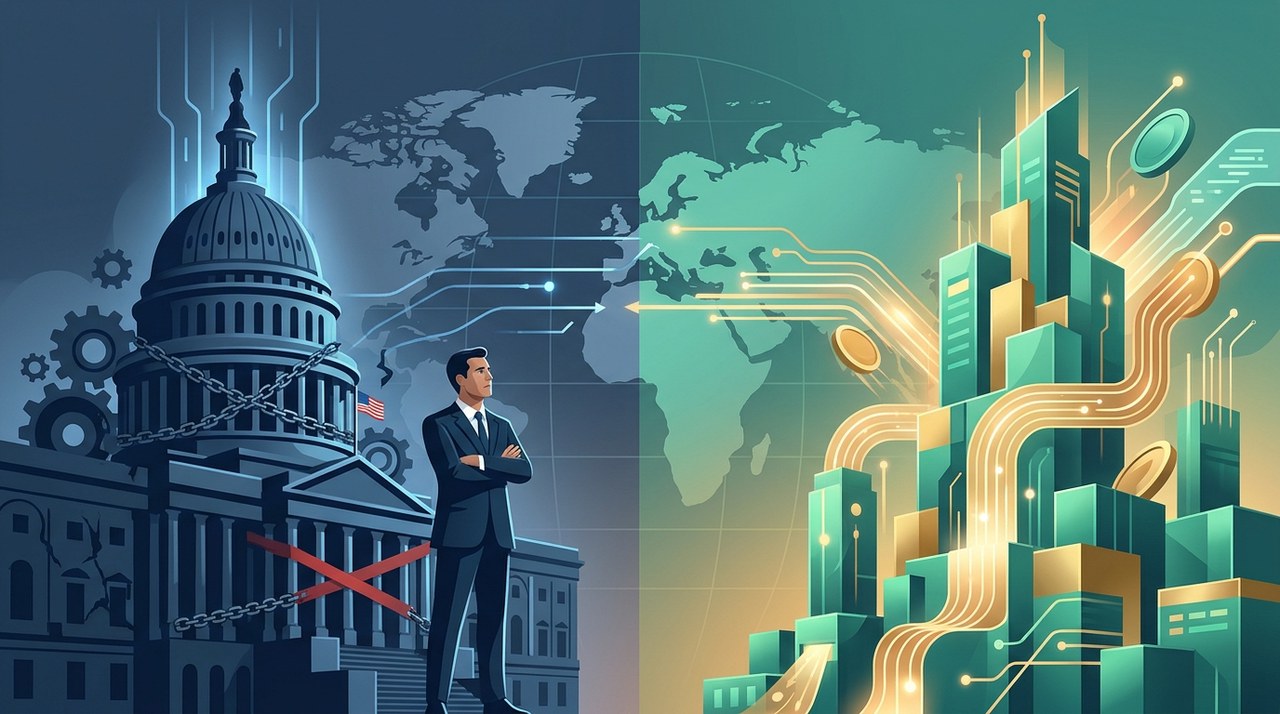
Shift in Washington: A Tougher Road Ahead for Crypto
The cryptocurrency industry has seen its share of ups and downs in Washington, but the road ahead might get a lot bumpier. Cody Carbone, the chief executive officer of advocacy group The Digital Chamber, recently issued a serious warning about the future of digital assets in the United States.
According to Carbone, a Democrat-controlled Congress is likely to take a far more hostile approach toward digital assets. Instead of crafting clear guidelines to help the industry grow, lawmakers may pivot toward heavy investigations and political oversight. This political shift comes at a delicate time for the market, with BitcoinBTC+1.78% recently trading around its lowest levels since July.
The Stalled CLARITY Act and Key Political Players
For months, crypto advocates hoped for comprehensive market structure rules to clear up regulatory confusion in America. The biggest initiative was the CLARITY Act, a proposed bill designed to explicitly define how digital assets should be governed by federal agencies.
However, Carbone warned that broad legislation like the CLARITY Act is now largely stuck in limbo. Passing clear, supportive rules is taking a back seat as key congressional leaders prepare to shift focus toward defensive inquiries.
Two prominent figures set to gain substantial influence over US financial policy are Senator Elizabeth Warren in the Senate and Representative Maxine Waters in the House of Representatives. Both lawmakers have long been vocal critics of the crypto sector.
As a result, crypto companies are shifting their Washington strategy. Instead of actively championing new regulatory frameworks, businesses are preparing to defend themselves against intense congressional scrutiny.
Trump's Crypto Ties Move to the Spotlight
One of the main focal points of incoming congressional oversight is expected to be President Donald Trump's connection to digital assets. Carbone anticipates that lawmakers like Warren and Waters will press hard into these business ties during committee hearings.
To counter this, The Digital Chamber is planning a proactive defense. Their goal is to steer congressional hearings away from political drama and back toward core technology topics.
The advocacy group wants supportive lawmakers to focus discussions on practical technological innovations like tokenization—the process of converting real-world assets into digital blockchain tokens. By keeping discussions focused on substance rather than political ties, the group hopes to foster a more constructive dialogue.
The Search for Crypto-Curious Allies
To protect the industry's future, advocacy groups are actively building bridges across the political aisle. Carbone acknowledged that while pro-crypto Democrats are currently few and far between, their numbers are steadily growing.
Many newly elected Democrats are younger and heavily focused on technology. According to Carbone, several incoming lawmakers have privately expressed to industry leaders that they are crypto curious and open to learning more.
The Digital Chamber plans to target moderate lawmakers and junior committee members. While a single lawmaker cannot easily challenge established committee leadership on their own, a unified coalition of pro-tech Democrats could help push back against hostile policy decisions.
The Pushback Against Data Centers and AI Infrastructure
Beyond financial regulations, the crypto sector faces another major challenge on the ground: growing public and political resistance to data centers. Both crypto mining facilities and Artificial Intelligence (AI) compute hubs require significant electricity and local infrastructure.
Voters expressed strong concerns about energy consumption during the November election. Carbone noted that local communities have a right to be skeptical, but argued that blanket bans or moratoriums on data center construction are the wrong response.
Instead, the industry plans to demonstrate to lawmakers how modern data centers bring high-paying tech jobs and critical tax revenue to struggling local districts. Carbone emphasized that blockchain, digital assets, and AI are deeply interconnected industries that drive overall national competitiveness.
Could the US Lose the Tech Race to China?
Carbone's starkest warning centered on global competitiveness. When asked directly if the United States could lose its lead in the crypto and blockchain sector over the next two years, he stated there is a 100% risk of falling behind.
Developers in both Web3 and AI are already relocating to regions with clearer regulatory environments, such as Singapore and the United Arab Emirates (UAE). However, the biggest competitive threat comes from China, which currently holds the largest number of blockchain patents globally.
If we don't lead, other adversaries will.
Carbone stressed that if the US fails to establish clear rules and support innovation domestically, global rivals will fill the void and shape the future rules of international digital finance.
What Lies Ahead for Digital Assets
The coming years will likely determine whether the US remains a global hub for financial innovation or falls behind international competitors. For users and market observers alike, staying informed about shifting global policies remains just as important as watching market trends.
Latest blog posts

Wall Street Bull Says Stock Market Selloff Is Overreaction
The S&P 500 dropped into correction territory, but market analyst Ed Yardeni believes strong economic fundamentals will prevent a full bear market.



AI Uncovers Bitcoin Core Bug That Could Freeze Network Nodes
Bitcoin Core developers have patched a medium-severity vulnerability discovered by AI security tools that allowed bad actors to temporarily freeze node processing.
|
 +2
3 Altcoins Defy the Market Crash as Bitcoin Hits Two-Year Low
Bitcoin fell near $55,000 amidst market liquidations, but Pieverse, Venice Token, and Pearl managed to record notable weekly gains.
|