


US Regulators Drop Plan to Track $250 Crypto Transfers
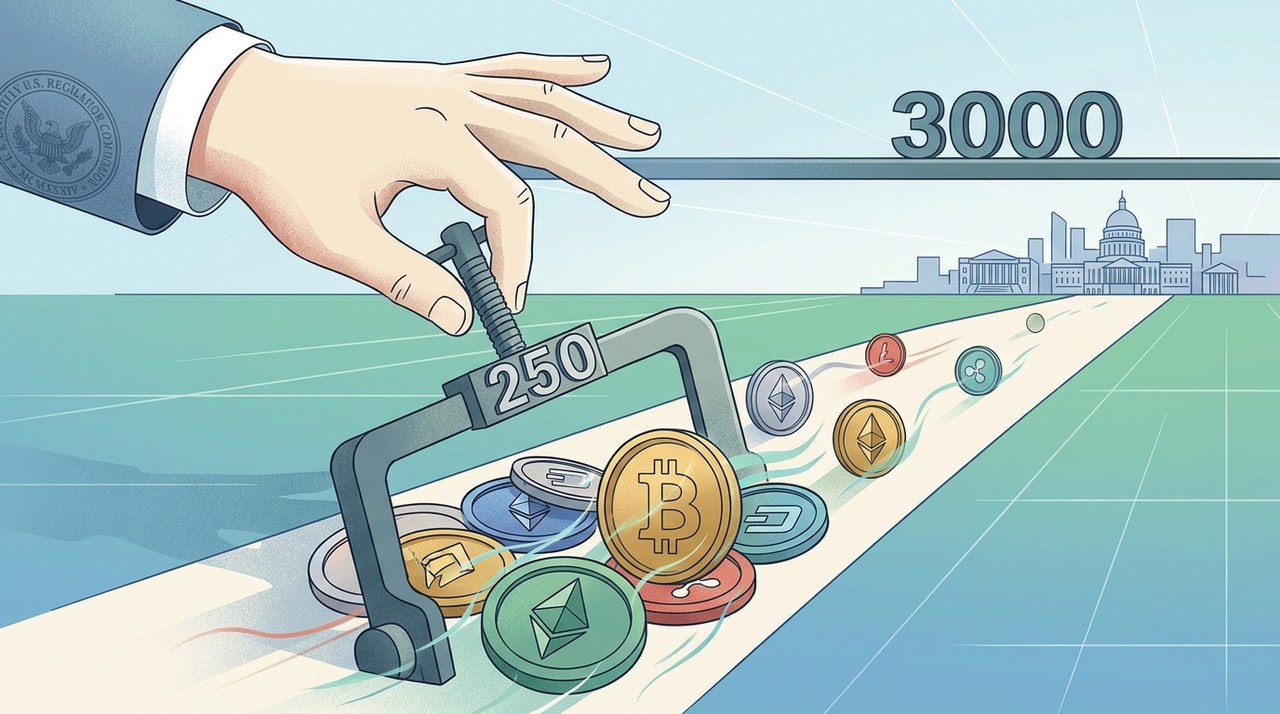
What Changed? US Regulators Scrap the $250 Rule
Great news for everyday crypto users and financial privacy advocates! The U.S. Department of the Treasury's Financial Crimes Enforcement Network (FinCEN) and the Federal Reserve Board have officially withdrawn a controversial joint proposal.
Back in October 2020, regulators suggested lowering the threshold for tracking international fund transfers—including cryptocurrency transactions—from $3,000 all the way down to just $250. On November 6, 2026, officials filed a joint notice to abandon the plan entirely. The withdrawal takes official effect on November 9, 2026.
For now, the existing $3,000 threshold remains firmly in place for cross-border financial transactions. During this regulatory update, BitcoinBTC-0.58% traded around $75,745, while EthereumETH-1.19% hovered near $2,230. Please note that past performance of digital assets is no guarantee of future results.
Understanding the 2020 Proposal
To appreciate why this withdrawal matters, let's step back and look at what the original proposal asked for.
In October 2020, agencies issued a Notice of Proposed Rulemaking (NPRM). The goal was to collect far more detailed data on international payments beginning or ending inside the United States.
Under FinCEN's Travel Rule, covered banks and nonbank financial institutions would have needed to collect, retain, and transmit personal identifying information whenever an international payment met or exceeded $250.
The rule explicitly included digital financial assets alongside standard fiat wire transfers:
- Convertible Virtual Currencies (CVCs): Digital assets like Bitcoin or Ethereum that substitute for traditional fiat currency.
- Legal Tender Digital Assets: National currencies issued in digital form that hold official legal tender status.
- Cross-Border Scope: Any international payment starting or ending outside U.S. borders.
While domestic transfers within the United States would have kept the $3,000 limit, international transfers of just $250 would have triggered heavy reporting and recordkeeping burdens.
Why Industry and the Public Fought Back
When government agencies publish an NPRM, they open the floor for public feedback. Over the five-year evaluation period, nearly 3,000 formal comments poured in from banks, money services businesses (MSBs), trade associations, crypto firms, and individuals.
A clear majority of respondents opposed lowering the threshold, highlighting several major concerns:
1. High Compliance Costs for Small Institutions
Smaller banks and money transmitters warned that tracking millions of tiny $250 transfers would require complex system upgrades and huge compliance costs.
2. Heightened Personal Privacy Risks
Forcing institutions to store detailed records on small daily transfers creates massive databases of sensitive information, increasing the risk of data breaches and identity theft.
3. Constitutional Concerns
Privacy advocates argued that widespread surveillance of low-value transfers violated Fourth Amendment protections under the U.S. Constitution against unreasonable searches and seizures.
4. Inflation and Remittance Disruptions
The existing $3,000 threshold was set back in 1995. Many argued that due to inflation, the limit should actually be raised. Lowering it to $250 threatened to disrupt small overseas money transfers sent home by foreign workers.
Technical Challenges Unique to Crypto
Applying traditional banking rules to blockchain networks introduced unique operational problems. Industry experts pointed out several technical hurdles:
- Lack of Messaging Standards: Unlike standard wire services like SWIFT, blockchain protocols do not naturally bundle sender and recipient identities directly into raw transaction code.
- Risk to Technological Innovation: Imposing heavy legacy compliance requirements on decentralized tech could stifle innovation and drive crypto businesses offshore.
- Redundant Data Collection: Opponents noted that financial institutions already flag suspicious low-value transfers under $3,000 using Suspicious Activity Reports (SARs).
Opinions were somewhat divided across industries. While crypto companies and trade organizations strongly opposed adding virtual currencies to the rule, several traditional banks and legacy money services supported equal regulatory treatment across all asset types.
Why U.S. Regulators Decided to Drop the Plan
In their official joint withdrawal notice, FinCEN and the Federal Reserve cited two main reasons for dropping the proposed rule:
The Agencies will not take further action on this NPRM.
First, significant time had passed. More than five years passed since the proposal was first published in October 2020. Regulators acknowledged that the fast-moving digital asset market had changed dramatically during that window.
Second, new legislation has taken effect. On July 18, 2025, the U.S. enacted the GENIUS Act, establishing a federal legal framework for payment stablecoin issuers. Regulators agreed that future crypto rules should reflect these new legislative frameworks.
The agencies confirmed that if they decide to propose similar transfer amendments in the future, they will not issue a final rule directly. Instead, they will offer another public comment opportunity.
Part of a Wider Regulatory Reset
This decision is part of a larger cleanup of older regulatory proposals. Just last month, the Treasury Department withdrew two other controversial crypto rules:
- Self-Hosted Wallet Rules: A proposal that would have required recordkeeping for unhosted wallet transfers over $3,000 and direct reporting for transfers over $10,000.
- Mixer Regulations: Proposed requirements targeting privacy-focused cryptocurrency mixing services.
Market Context and What Comes Next
This regulatory update coincides with broader financial developments. The U.S. Treasury announced plans to double its maximum buybacks for older long-term bonds to $4 billion, while broader financial markets held steady.
For individual crypto investors, keeping the $3,000 threshold preserves transaction privacy for smaller cross-border transfers. Centralized crypto exchanges will continue operating under existing Know Your Customer (KYC) and Anti-Money Laundering (AML) standards. Staying informed helps users navigate the evolving regulatory landscape safely.
Latest blog posts


Russia Finalizes New Crypto Rules Ahead of Nov. 17 Rollout
Russia has completed its crypto rules launching November 17, enabling retail trading of BTC, ETH, and USDT through regulated brokers.
|
Strive Adds 15,124 BTC to Corporate Treasury in October
Strive reported a Q3 net income of $509 million while acquiring 15,124 Bitcoin in October, raising its total holdings to 43,124 BTC.
|
UPay Partners with WIDTH to Enhance Crypto Risk Screening
UPay has integrated WIDTH's DART technology to improve on-chain risk screening and transaction tracking for digital asset payments.