

US Lawmaker Moves to Ban Candidates Betting on Own Races
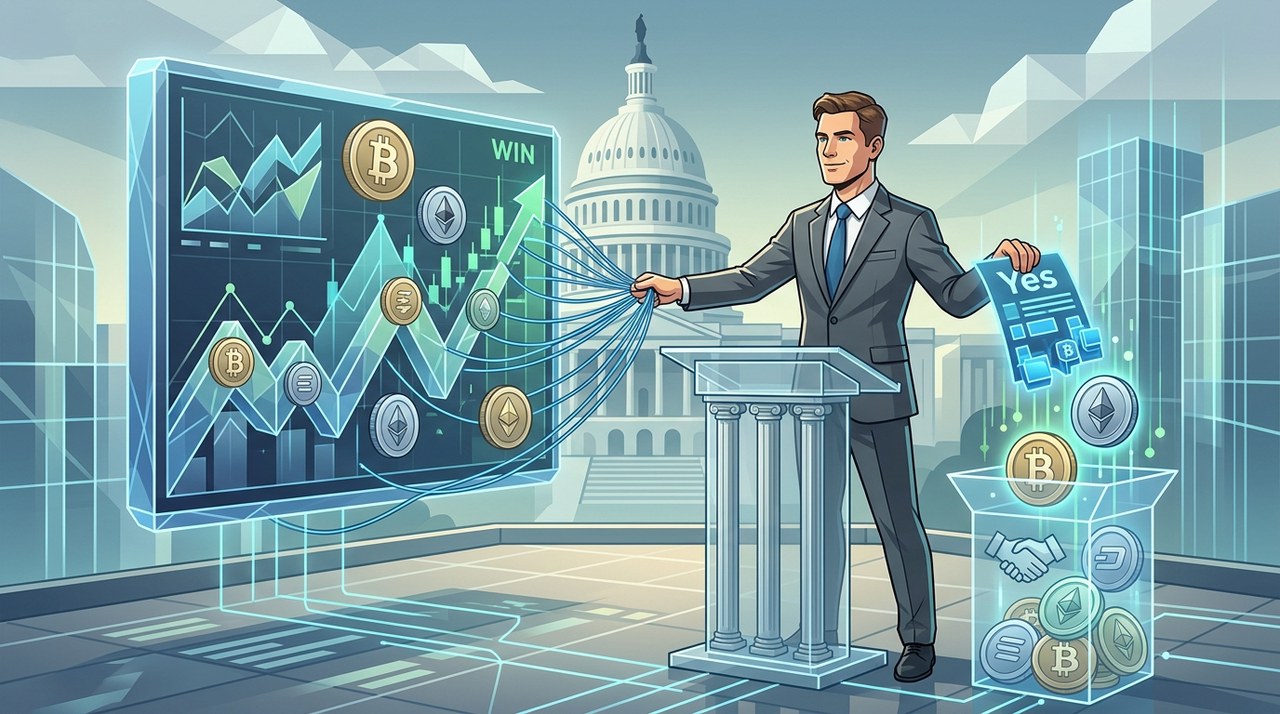
A New Push to Stop Politicians From Betting on Elections
Imagine a professional football player placing a heavy bet against his own team right before the big game. Most sports fans would agree that is unfair and unethical. U.S. Representative Don Davis believes the exact same standard should apply to politicians running for public office.
On October 7, 2026, the Democratic congressman from North Carolina introduced new legislation titled the No Betting on Your Own Race Act. The goal of the bill is simple: ban federal candidates, their immediate family members, and their official campaign committees from trading prediction market contracts tied to their own election results.
The proposed measure seeks to amend Title 52 of the United States Code, tightening federal election laws to stop political event trading by people who can directly influence the outcome of congressional or presidential campaigns.
"We don't want our athletes to bet on their games. A candidate running for federal elected office should be treated exactly the same and should not be allowed to trade on their own election. The No Betting on Your Own Race Act aims to prevent market interference, insider trading, as well as candidates and their family members from cashing in."
Why Is This Bill Being Introduced Now?
The push for this legislation follows recent high-profile scandals involving political prediction platforms like Kalshi. These exchanges allow users to buy and sell contracts based on real-world events, including political elections.
The Case of Laurie Buckhout
Rep. Davis' draft legislation comes just weeks after Kalshi suspended Republican candidate Laurie Buckhout for three years. Buckhout was actually running directly against Representative Davis in his House race.
The platform discovered that Buckhout had bought event contracts linked directly to the outcome of her own election, raising major concerns about insider trading and conflict of interest.
The George Santos Incident
Buckhout's case is not the only example. Back in August 2026, former Representative George Santos received a permanent ban from Kalshi after allegedly manipulating contract prices.
Santos had publicly posted on social media that he planned to attend President Donald Trump's State of the Union address in February. However, behind the scenes, he secretly placed trades betting that he would not attend the event, attempting to profit off his own public statements.
How the Proposed Legislation Works
The proposed bill casts a wide net over political trading activities to ensure candidates cannot find ways around the restrictions. Here is a breakdown of what the bill targets:
- Covered Individuals: Federal candidates, their immediate family members, and their authorized campaign committees.
- Covered Events: Primary elections, caucuses, nominating contests, vote share percentages, individual candidate placement, and overall control of Congress.
- Financial Instruments: Options, swaps, derivatives, and event agreements hosted on registered exchanges, swap execution facilities, or brokerages.
Cracking Down on Indirect Betting and Third Parties
To stop politicians from asking friends or associates to place bets on their behalf, the bill explicitly penalizes indirect holdings. This includes situations where a candidate directs another person to trade, retains beneficial ownership of contracts, or provides money to someone else knowing they intend to place a political trade.
Strict Financial Penalties
Under the draft bill, anyone who breaks these rules would face significant financial consequences.
Violators would be subject to a civil fine of at least $10,000 per offense, or three times the net financial gain made from the illegal trade—whichever dollar amount is higher.
Protections and Exemptions in the Bill
The legislation includes specific legal safeguards to make sure the rules are applied fairly without harming innocent parties.
Safe Harbor for Early Investors
What happens if an investor buys political contracts before deciding to run for office? The bill includes a safe-harbor exception for individuals who acquired election positions prior to launching a formal campaign.
Once candidacy is officially established, these individuals are granted a short divestment window mandated by platform rules to sell off their positions cleanly.
Legal Shields for Trading Platforms
The act also grants liability protection to prediction market exchanges and designated contract markets. Platforms and their employees will not face civil liability for taking good-faith actions to enforce trading restrictions.
Furthermore, platforms are protected from legal backlash when they report suspected violations in good faith to federal regulatory agencies.
New Duties for the Federal Election Commission
If enacted into law, the bill would place new tracking responsibilities on the Federal Election Commission (FEC).
The FEC would be required to build and maintain a publicly accessible, machine-readable database listing all registered federal candidates. This database must be updated at least once every week.
Additionally, the FEC—working alongside state and territorial election boards—must explicitly inform candidates of the trading ban at the moment they file their official paperwork to run for office.
If passed, these rules will apply to all trading conduct occurring on or after the exact date the legislation is signed into law.
Market Snapshot and Prediction Platforms
As prediction platforms grow in popularity alongside broader digital asset markets, regulators are paying closer attention to market integrity. Around the time of this proposal on October 7, 2026, Bitcoin (BTCBTC-0.41%) was trading near $82,925 (down 4.20% over 24 hours) while EthereumETH-0.28% stood around $2,562 (down 5.85%).
Disclaimer: Past performance of digital assets or financial market products is not an indicator of future results. Market conditions can shift rapidly.
Clear regulatory framework measures like the No Betting on Your Own Race Act aim to provide transparency so market participants can operate under fair rules.
Latest blog posts


XRPL Bank-Style Lending Protocol Nears Approval
The XRP Ledger moves closer to native bank-style lending as validators vote on key XLS-65 and XLS-66 network amendments.
|
XRP Ledger Activity Hits 4-Month High Above 41,000 Senders
Active accounts on the XRP Ledger reached over 41,000 as the asset trades near the $1 mark. Here is what the latest network metrics show.
|
 +1
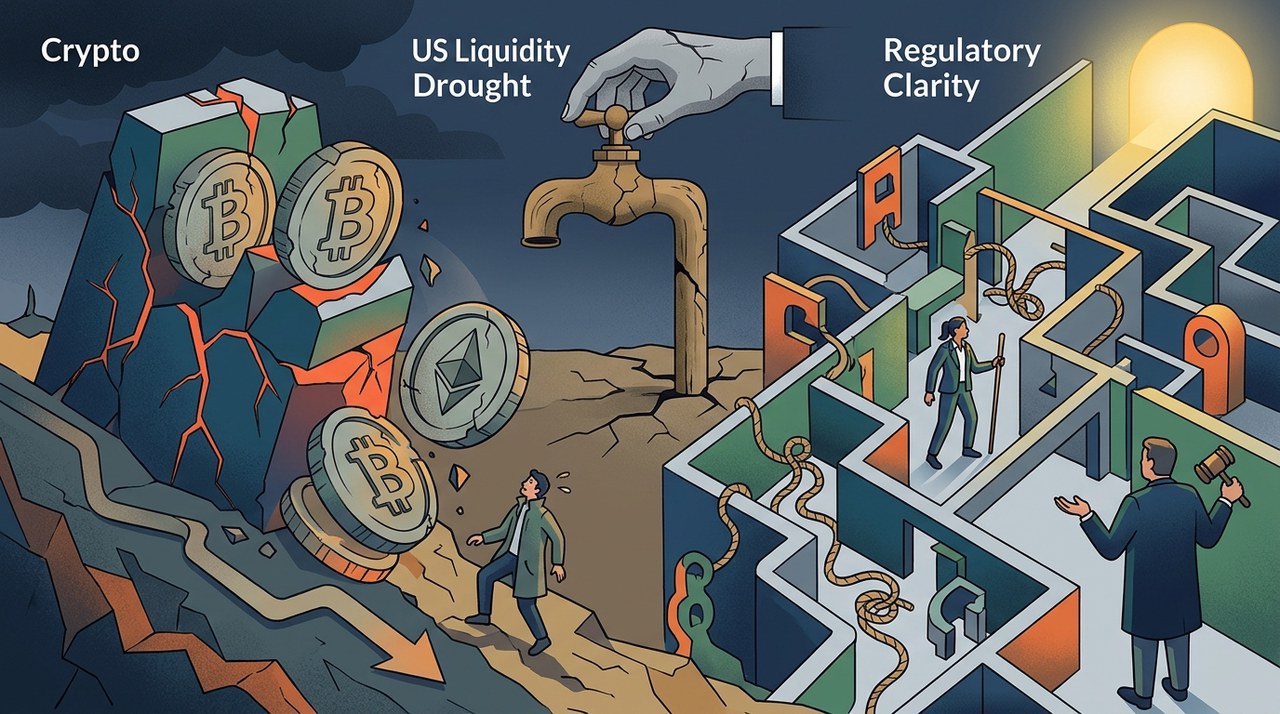
Why Is Crypto Crashing? Raoul Pal and Kevin O'Leary Explain
Raoul Pal and Kevin O'Leary highlight how tight US financial liquidity and regulatory delays are curbing crypto growth and institutional adoption.
|