
US Credit Card Debt Hits Record $1.29 Trillion As Rates Rise
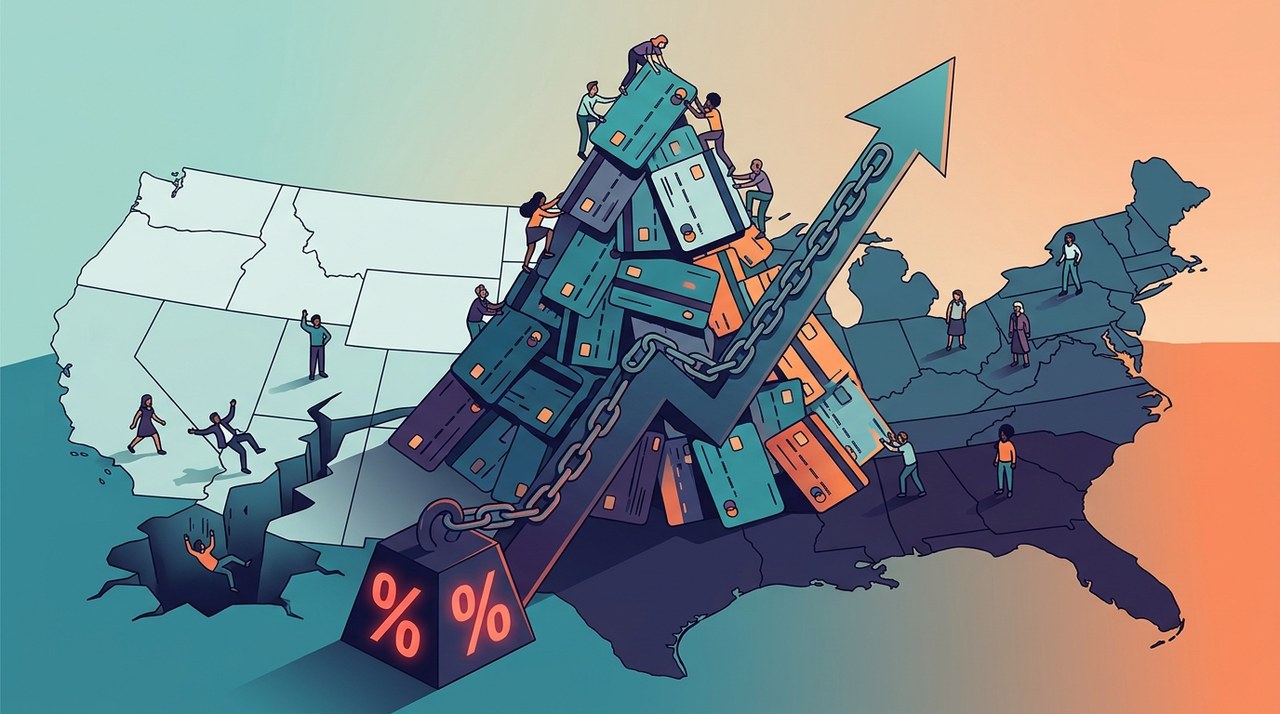
A Record-Breaking Mountain of Card Debt
American households are carrying more credit card balance than ever before.
According to fresh data from the New York Fed, credit card debt expanded by $22 billion during the third quarter. That push drove total credit card balances to a staggering record of $1.29 trillion.
This increase did not happen in isolation. It took place alongside a broader surge in overall household debt, which expanded by $334 billion to hit $19.1 trillion.
Looking back over a full twelve-month period, credit card debt stands $52 billion higher today than it was at the exact same point last year.
Who Bears the Heavy Financial Burden?
There is a slight silver lining in the headline numbers regarding serious repayments.
The percentage of credit card balances that are newly 90 days or more past due dipped slightly. It moved down to 6.87% from the 7.05% recorded a year earlier.
However, a deeper companion study by the New York Fed revealed that financial pressure is not distributed equally across the country.
The debt delinquency gap between lower-income and higher-income neighborhoods has expanded steadily since 2022.
Researchers point to two primary culprits behind the post-2022 spike in card delinquencies: persistent inflation and rapidly rising borrowing costs.
Looser lending practices during the pandemic era also played a part by granting credit access to borrowers with lower credit scores.
Fortunately, researchers note that particular drag is fading now because lenders are issuing newer cards to individuals with higher credit scores.
Inflation Sparks Expectations of Fed Rate Hikes
Financial pressures are returning to center stage as market participants turn their attention to the Federal Reserve.
The Consumer Price Index (CPI) report for October showed prices grew by 0.4%. That reading topped the average market forecast of 0.3%.
Following that hotter inflation figure, data from CME FedWatch indicates traders are pricing in a 100% probability of a rate decision on December 9.
Market odds favor a quarter-point rate increase from the current 3.75%-4.00% benchmark range at 90.9%. Meanwhile, a minority of 9.1% of traders bet on a larger half-point move.
What Rising Rates Mean for Crypto Markets
Expectations of tighter monetary policy immediately reverberated across financial markets, including digital assets.
Bitcoin (BTCBTC-1.01%) dropped shortly after the CPI report hit the public feeds, trading around $73,566 at press time.
According to reporting by BeInCrypto, the unexpected inflation spike triggered over $200 million in crypto trading liquidations.
When interest rates rise, safe returns on cash and treasury bonds become more attractive to investors. Consequently, capital often flows away from riskier financial assets like cryptocurrencies.
It is important for market participants to remember that past performance of digital assets is not an indication of future performance.
How Fed Decisions Hit Your Credit Card Statement
For everyday households, any benchmark rate adjustment translates directly into higher interest charges on variable-rate credit cards.
The Consumer Financial Protection Bureau (CFPB) explains that most card Annual Percentage Rates (APRs) feature two distinct elements.
Lenders combine the national prime rate with their own custom margin to determine your overall APR.
Because the prime rate directly tracks the Fed's target rate, variable card rates generally adjust within one to two billing cycles, according to credit bureau Experian.
Borrowing is already expensive for consumers. Data from LendingTree shows the average APR on new credit card offers sits near 24%.
This extra interest burden falls entirely on cardholders who carry a monthly balance. Those who pay off their statement in full each month avoid interest charges entirely.
"Higher prices and higher rates have pushed more people into debt," said Ted Rossman, principal consumer finance analyst at Money Management International.
The Road Ahead for Consumers
New York Fed researchers anticipate that credit card delinquency trends could continue to improve over time, provided no sudden economic shocks occur.
However, because past delinquency spikes were tied to rising borrowing costs, adding further rate hikes onto record debt balances presents a clear test to that positive outlook.
Latest blog posts
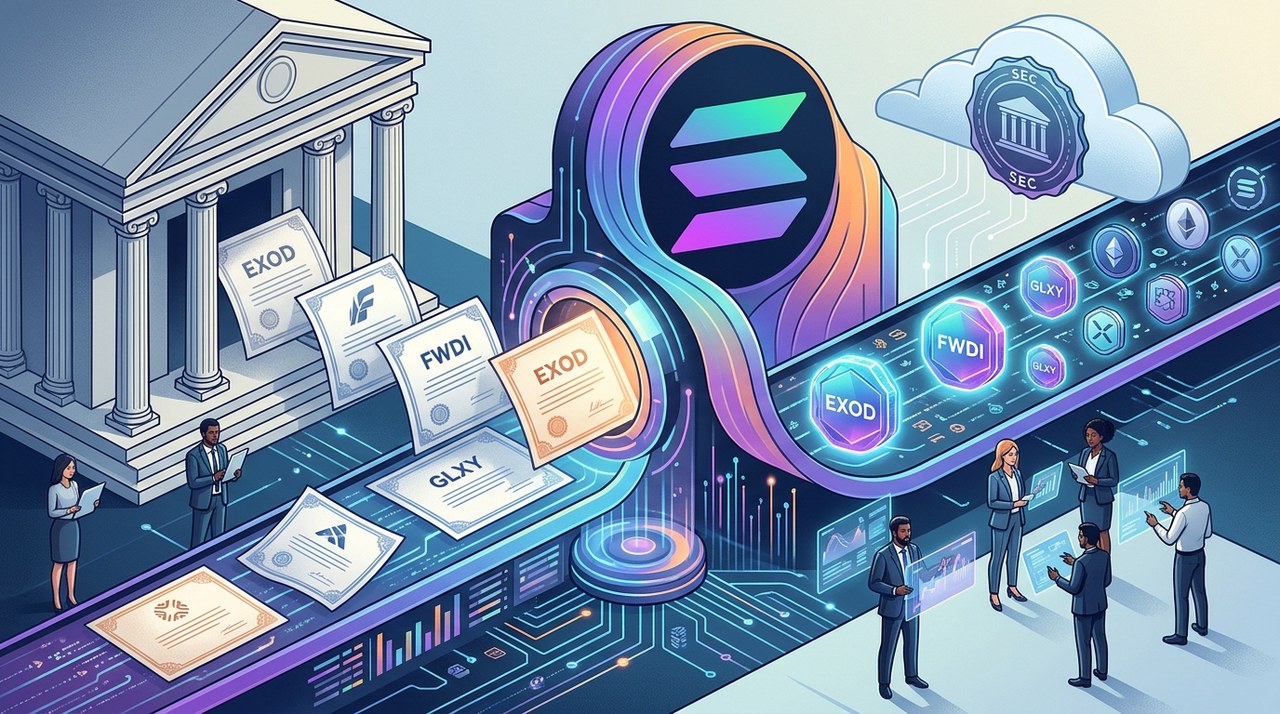


Formation Plans Solana Tokenized Stock Venue for 2027
Formation Securities has notified the SEC of plans to launch a 24/7 tokenized stock venue on Solana by early 2027.
|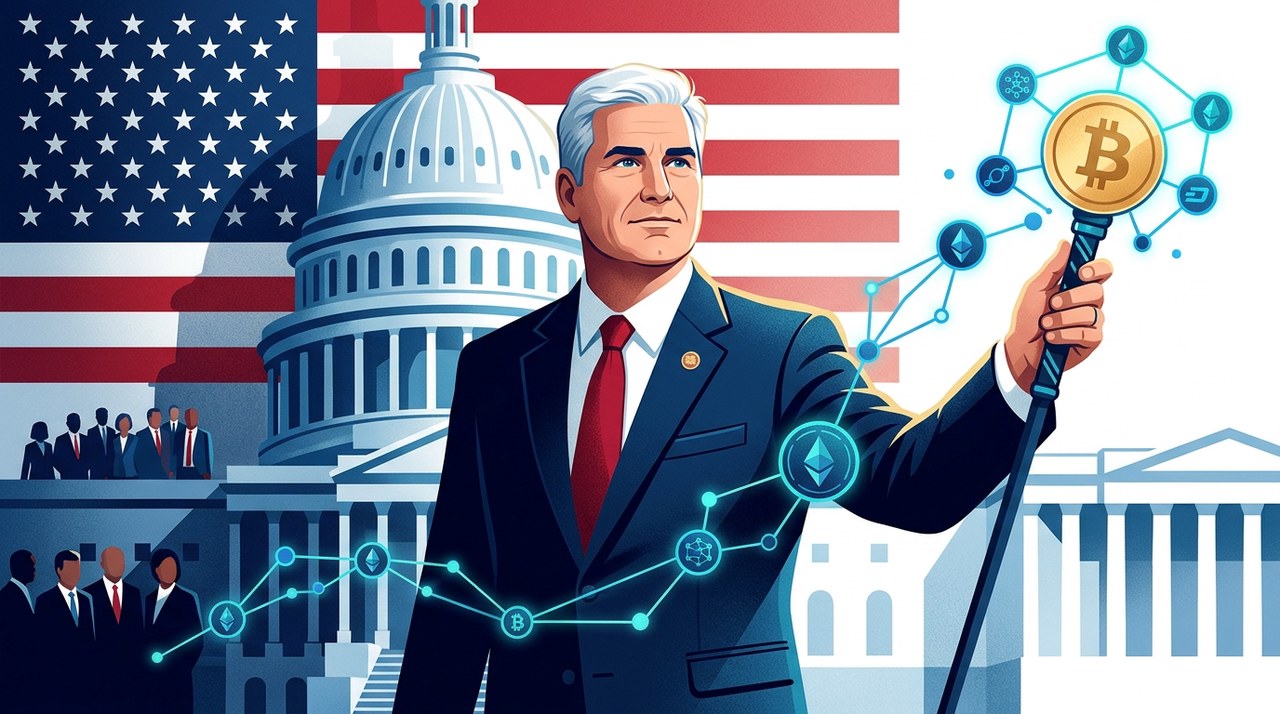
Tom Emmer Elected as House GOP Minority Whip
Pro-crypto Minnesota lawmaker Tom Emmer has been elected House Republican minority whip following the midterm elections.



US Moves to Seize $456K in Crypto Linked to Dating Scams
US federal prosecutors filed a civil forfeiture action to recover $456,602 in USDT allegedly stolen through romance and fake investment scams.
|