US Congress Faces Unfinished Crypto Regulations
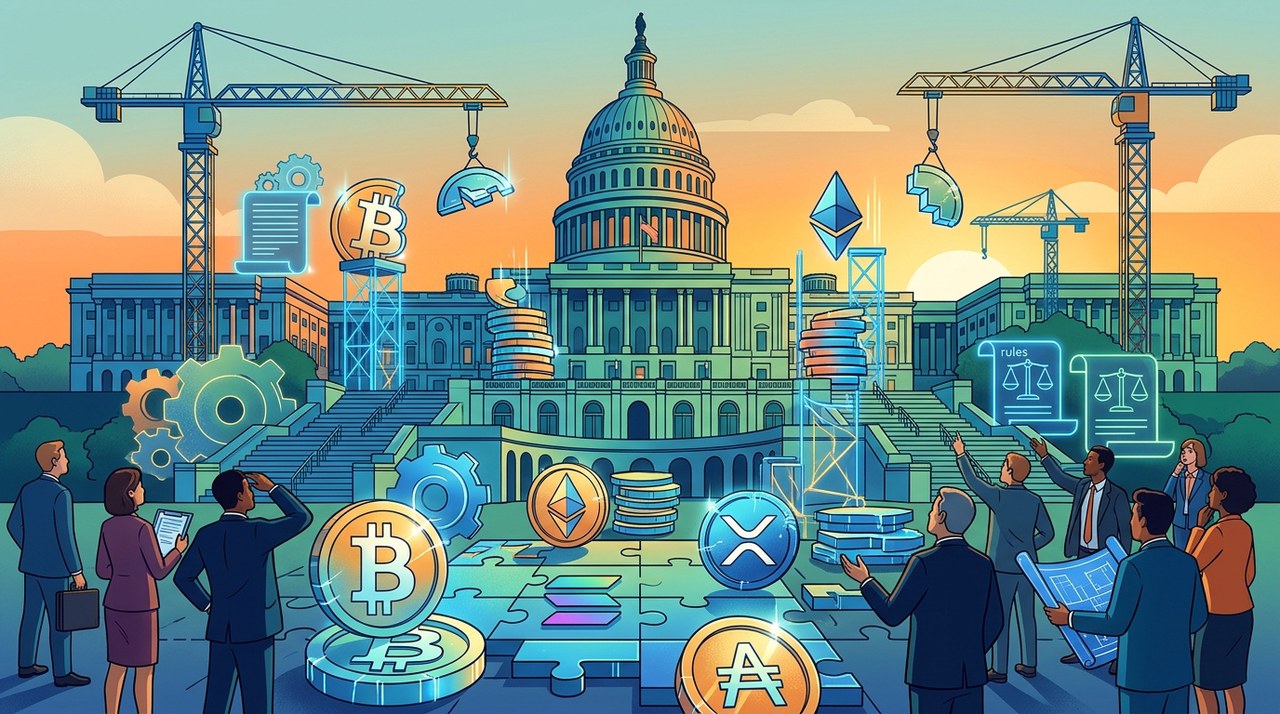
A New Political Landscape in Washington
Elections always bring big changes to Washington D.C. New leaders take office, committees reorganize, and legislative priorities shift.
However, some crucial issues remain unresolved regardless of political changes. One major topic waiting on the table is the future of cryptocurrency regulation.
According to Lindsay Fraser of the Blockchain Association, the incoming Congress inherits a significant unfinished assignment. Lawmakers must build lasting rules for digital assets in the United States.
Understanding the Unfinished Assignment
For several years, the American crypto industry has operated in a gray area. Government agencies have often governed through legal enforcement rather than clear legislative guidelines.
This approach creates confusion for both crypto businesses and everyday users. Companies struggle to know which rules apply to their products.
The core task for the next Congress is to replace this uncertainty with explicit laws passed by elected representatives.
The Dual Challenge: Consumer Protection and Innovation
Lindsay Fraser emphasizes that congressional action must achieve two main objectives at the same time. Neither objective can be ignored.
- Protecting Consumers: Safeguarding everyday users from fraud, bad actors, and sudden platform collapses.
- Fostering Innovation: Allowing American tech creators and entrepreneurs to build next-generation financial tools locally.
Think of sensible regulation like traffic rules on a highway. Clear speed limits and lane markers prevent crashes while allowing cars to move smoothly toward their destination.
If rules are too harsh, developers may pack up and move their projects overseas. If rules are too loose, users face higher risks of financial loss.
Why Congressional Action Matters for Everyday Users
When Congress writes comprehensive crypto legislation, it establishes national standards. This brings several practical benefits to everyday investors.
First, clear laws define which regulatory body oversees specific digital assets. For instance, distinguishing between commodities and securities settles years of jurisdictional disputes.
Second, mandatory disclosure rules require companies to share honest information about their token reserves and operational security.
The Role of Industry Advocates
Organizations like the Blockchain Association work to educate lawmakers about blockchain technology. They bridge the gap between software developers and public policy creators.
Advocates argue that keeping crypto innovation inside the United States benefits the broader economy. It creates high-tech jobs and ensures American values guide digital financial systems.
Without tailored US legislation, global standards might be established by other regions like Europe or Asia, which already have active regulatory frameworks.
What Lies Ahead for Digital Asset Policy
Passing complex legislation takes time, negotiation, and bipartisan support. Congress must evaluate stablecoin rules, exchange registration requirements, and decentralized finance frameworks.
While clearer regulations help legitimize the industry over time, market volatility remains a natural feature of digital assets. Regulatory progress does not eliminate investment risks.
As the new legislative session begins, market participants will closely watch Capitol Hill. The decisions made in Washington will shape the future of digital finance for years to come.
Latest blog posts


Bitcoin and Stocks Reverse Plunge After Election Outcome
Markets recovered overnight losses following political results, though AI data center stocks fell due to victorious campaigns opposing the sector.
|
France Considers Mandatory Reporting for Large Self-Custody Crypto Holdings
A proposed tax amendment in France would require citizens to report self-custodied crypto holdings worth €100,000 or more as part of the budget process.

Hong Kong Passes New Crypto Tax Reporting Rules for 2027
Hong Kong lawmakers approved an OECD crypto tax bill requiring exchanges to collect user data starting in 2027.