

Ukraine Central Bank Rejects Crypto Bill Over Risk Concerns
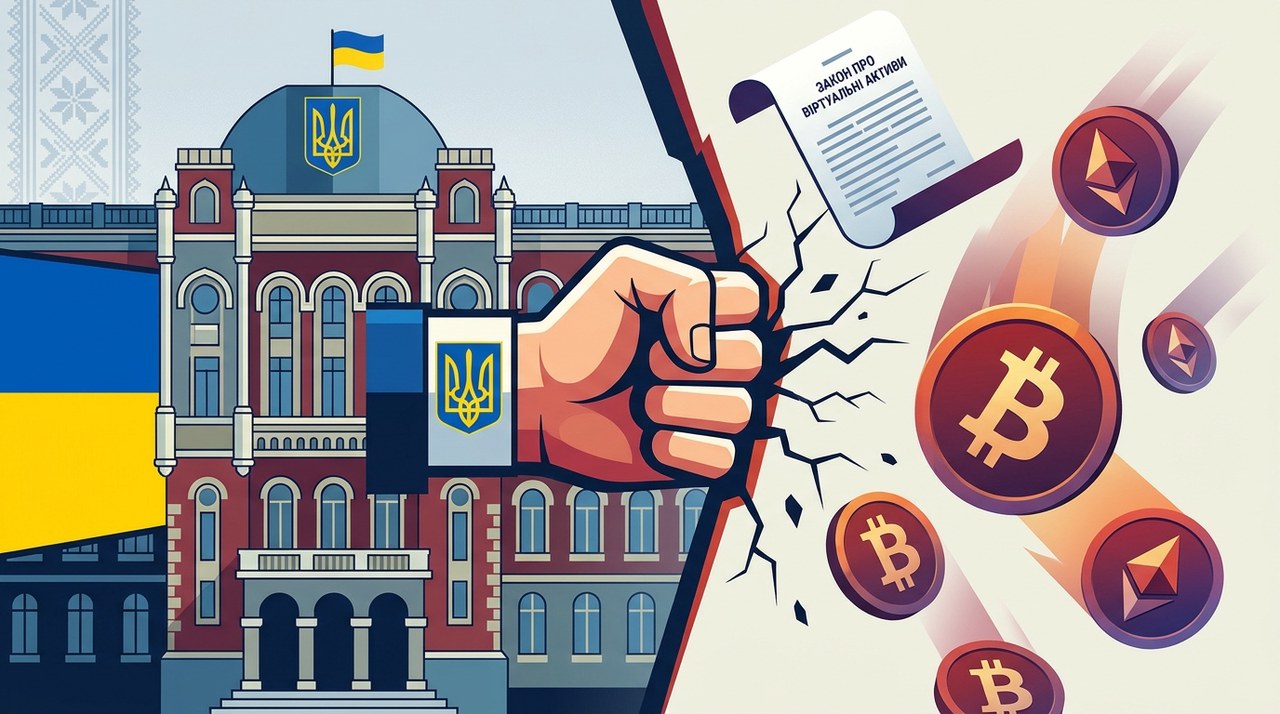
On November 6, 2026, Ukraine's central bank took a strong public stand against proposed cryptocurrency legislation. The National Bank of Ukraine (NBU) announced that it cannot support the latest version of Draft Law No. 10225-d. According to the regulator, the current wording puts the country's monetary sovereignty, financial stability, and market fairness at risk.
This policy conflict occurred as crypto markets experienced notable price shifts. BitcoinBTC-4.43% was trading at $75,645, down 4.93%, while EthereumETH-5.96% fell 6.59% to $2,227. Past performance of digital assets is not a guarantee of future results. Investors can check current prices on standard platforms like Bitkub Market.
What Caused the Central Bank to Push Back?
The NBU does not oppose regulating digital assets. In fact, the central bank supports creating rules aligned with the European Union's Markets in Crypto-Assets (MiCA) framework. However, the bank expressed deep concern over how the final bill was drafted.
According to official statements, the NBU received the final legislative text late on November 4, right before its second reading in parliament. Upon reading it, officials discovered that key compromise agreements had been quietly removed.
These compromised points were negotiated earlier by working groups. The groups included Ukrainian lawmakers, the NBU, the National Securities and Stock Market Commission (NSSMC), and industry stakeholders.
NBU Deputy Governor Oleksiy Shaban tried to address these missing compromises during a parliamentary committee meeting on November 5. However, the NBU stated that the meeting format did not allow enough time for a detailed discussion. As a result, the central bank decided to publish a formal warning to the public.
Concerns Over Unregulated Foreign Tokens
One major issue highlighted by the NBU involves foreign digital tokens. The bank warned that the draft legislation lets foreign tokens enter the Ukrainian market without adequate supervisory oversight.
If foreign issuers can bypass standard checks, it creates a serious loophole. This phenomenon is known as regulatory arbitrage, where businesses exploit weaker rules in one jurisdiction to avoid stricter rules elsewhere.
The NBU pointed out several risks associated with these foreign token loopholes:
- Disruption of Monetary Policy: Uncontrolled token inflows could weaken the central bank's ability to manage national money supply.
- Unfair Advantage: Foreign issuers could operate with fewer rules than domestic companies, creating unfair market conditions.
- Financial Instability: Unsupervised financial products could lead to hidden risks across the local banking infrastructure.
To fix this, the NBU is requesting explicit legal authority to evaluate and restrict foreign tokens, matching the authority it holds over domestic virtual assets.
Risk of Market Monopolies and Discretionary Licensing
Another point of contention involves how trading platforms will be authorized. Initially, the NBU wanted an open market allowing any compliant trading platform to operate. Later, they agreed to a temporary compromise: permitting three licensed operators chosen through an open tender during an initial startup phase.
However, the final version of Draft Law No. 10225-d removed the open tender requirement. Instead, it gave the NSSMC full discretion to choose the number of allowed trading operators for the next five years.
The central bank warned that giving one agency five years of unchecked discretion without clear legal guardrails creates serious risks of market monopolization and potential corruption.
"Sustainable market development is only possible with clear rules, proper regulation, and effective risk control. The failure to incorporate the NBU's key objections makes it impossible to support Draft Law No. 10225-d in its current form."
Next Steps for Ukraine's Crypto Framework
The central bank has urged Ukrainian parliamentarians to send the draft law back for revision. The NBU emphasized that it remains willing to work alongside lawmakers to build a framework that encourages crypto innovation while preserving trust in the national currency, the hryvnia.
Impact on Broader Regional Digital Infrastructure
Regulatory actions are not the only factor shaping the region's crypto ecosystem. Blockchain analytics firm Elliptic recently reported that physical disruptions from military conflict have also impacted digital token networks in neighboring regions.
Specifically, Ukrainian drone strikes targeting facilities deep inside Russia inadvertently disrupted operational infrastructure supporting the Russian A7A5 stablecoin. This incident highlights how real-world events can directly impact local cryptocurrency networks and cross-border settlement channels.
Latest blog posts

US Jobs Report Beats Expectations: What It Means
The U.S. economy added 165,000 jobs in October, lowering unemployment to 4.1% and sparking fresh discussions about Federal Reserve interest rate policy.
|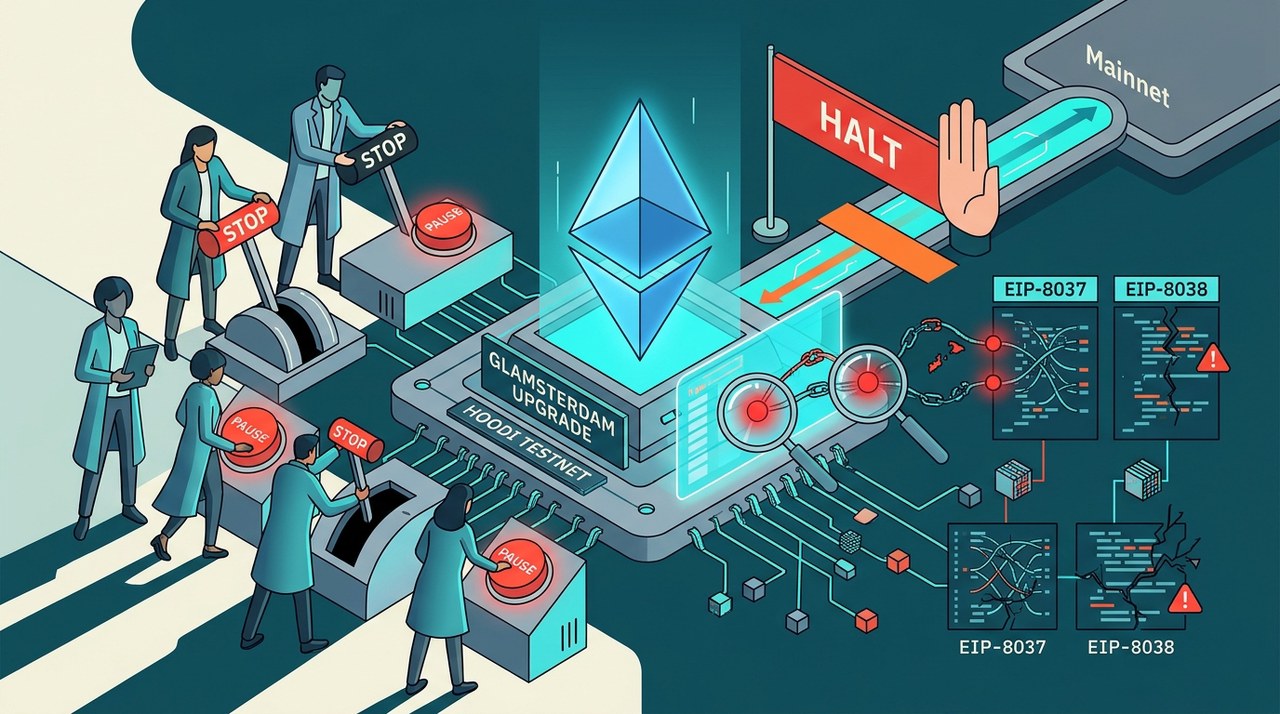
Ethereum Devs Pause Hoodi Fork Over Contract Risks
Ethereum developers are investigating eight smart contract invariant concerns in EIP-8037 and EIP-8038 before proceeding with the Glamsterdam upgrade on Hoodi.
|


Bitcoin Slips to $76.1k as AI Stock Sell-Off Triggers Liquidations
Crypto majors fell 4-6% as AI tech stocks crashed, resulting in over $1.1 billion in long liquidations while Bitcoin dropped to $76.1k.
|