
Two Solo Bitcoin Miners Beat Huge Odds to Win $230,000
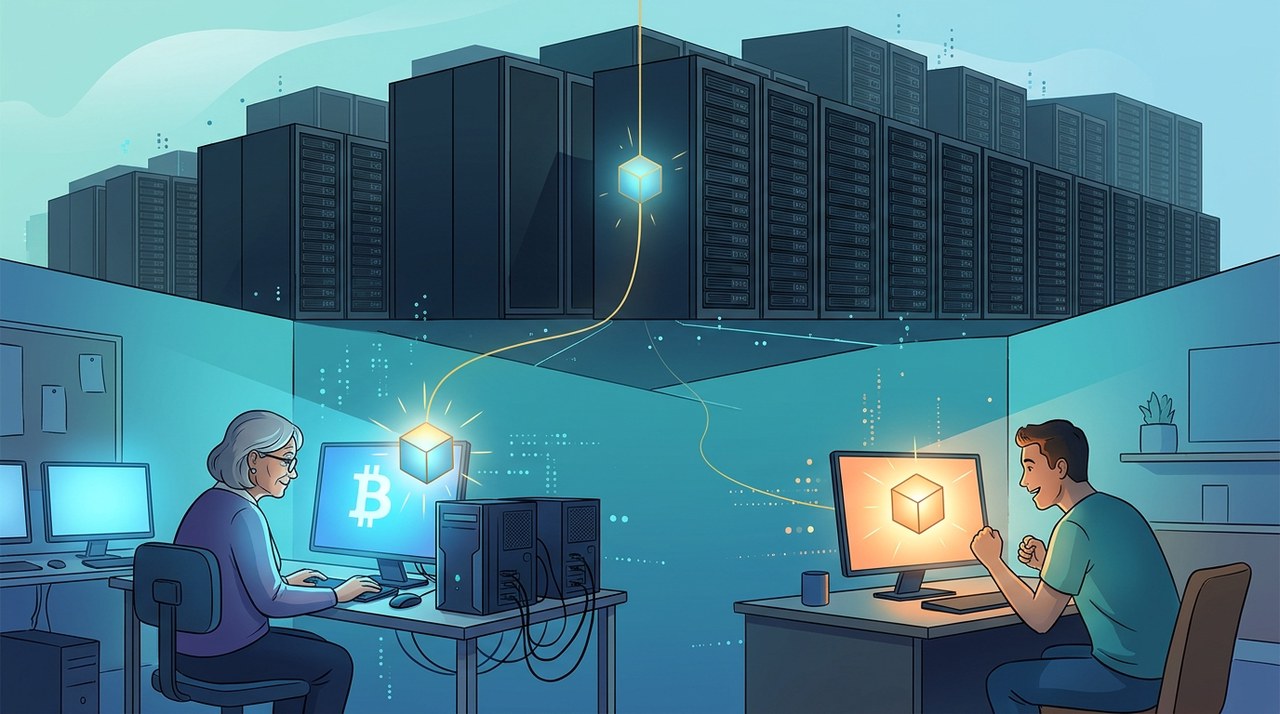
Solo Miners Score Back-to-Back Wins Against Industrial Data Centers
On November 7, two independent BitcoinBTC+0.51% miners pulled off an incredible financial feat. Each miner successfully found an individual block on the Bitcoin network, earning more than $230,000 in rewards.
What makes these payouts particularly striking is the timing. Both wins occurred less than seven hours apart, even though these small operators were competing against massive corporate data centers around the globe.
The Bitcoin blockchain officially verified and recorded both transactions. Both winning miners were connected to CKPool, a popular solo mining service.
How CKPool Helps Solo Operators Keep the Reward
In standard pool mining, thousands of participants combine their computing power and split the block payout evenly among everyone.
Solo mining services work differently. By connecting through CKPool's solo setup, these two individuals were able to keep almost the entire block reward for themselves rather than sharing it.
The winning operations successfully added block number 974,893 and block number 974,930 to the public ledger on November 7.
Bitcoin Mining Odds vs. Powerball Lottery Tickets
Rare events like this lead many people to ask whether running a mining machine offers better mathematical odds than buying traditional lottery tickets.
The Bitcoin network functions like a continuous digital raffle. Thousands of specialized computers race to solve a cryptographic puzzle roughly every ten minutes. The winner earns the right to record the next block and claim the newly minted Bitcoin.
For small participants, the mathematical probabilities are demanding:
- Small Solo Mining Setup: A rig running two or three powerful machines has roughly a 1-in-40 chance of finding a block over an entire year under current conditions.
- US Powerball Jackpot: A single Powerball ticket carries odds of roughly 1-in-292 million to win the grand prize.
Even a tiny home mining device can offer better annual odds of hitting a block than regularly buying jackpot lottery tickets, though startup requirements and cash flows differ completely.
The Real Costs and Risks of Running a Solo Mining Rig
While winning a $230,000 block reward sounds enticing, solo mining comes with significant financial risk and steep expenses.
Mining hardware requires thousands of dollars in upfront capital. To maintain any statistical chance of winning, these devices must run constantly, consuming large amounts of electricity.
A small setup with multiple machines can easily generate electricity bills between $400 and $1,100 every month.
A solo miner earns absolutely nothing until a block is solved. Without hitting a block, an operator could pay high power bills for years or even decades without receiving any income.
At the same time, near-record overall network hash rate makes block discovery harder than ever for individual participants.
Can Small Miners Still Win in Today's Market?
Despite steep competition, smaller operators occasionally succeed. Back in April, a single-machine solo miner hit a block reward, demonstrating that individual machines still have a chance.
The November 7 wins serve as another reminder that Bitcoin's top rewards remain accessible to individual participants.
However, industry experts stress that solo mining success remains an extraordinary, low-probability outcome. Past returns of digital assets or past performance do not guarantee future returns or performance. Investors can track current market conditions at Bitkub Market.
Latest blog posts
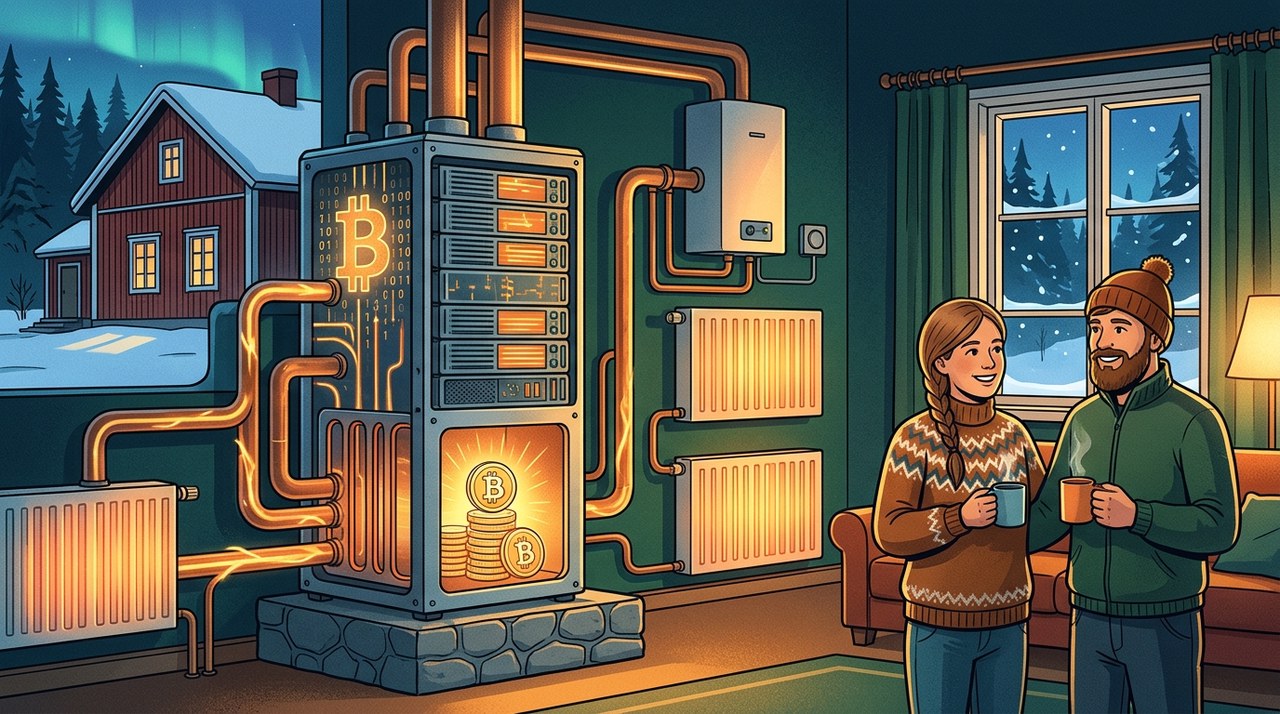
Finland Homes Get Free Heat from Bitcoin Mining Rigs
A Finnish startup has connected 30 Bitcoin mining systems to central heating, offsetting power costs when Bitcoin trades above $70,000.
|

 +2
Top Shiba Inu Whales Slow Deposits to 2B SHIB in 24 Hours
Top 10 Shiba Inu wallets deposited roughly 2 billion SHIB to exchanges in 24 hours, while market data highlights ongoing negative net flows.
|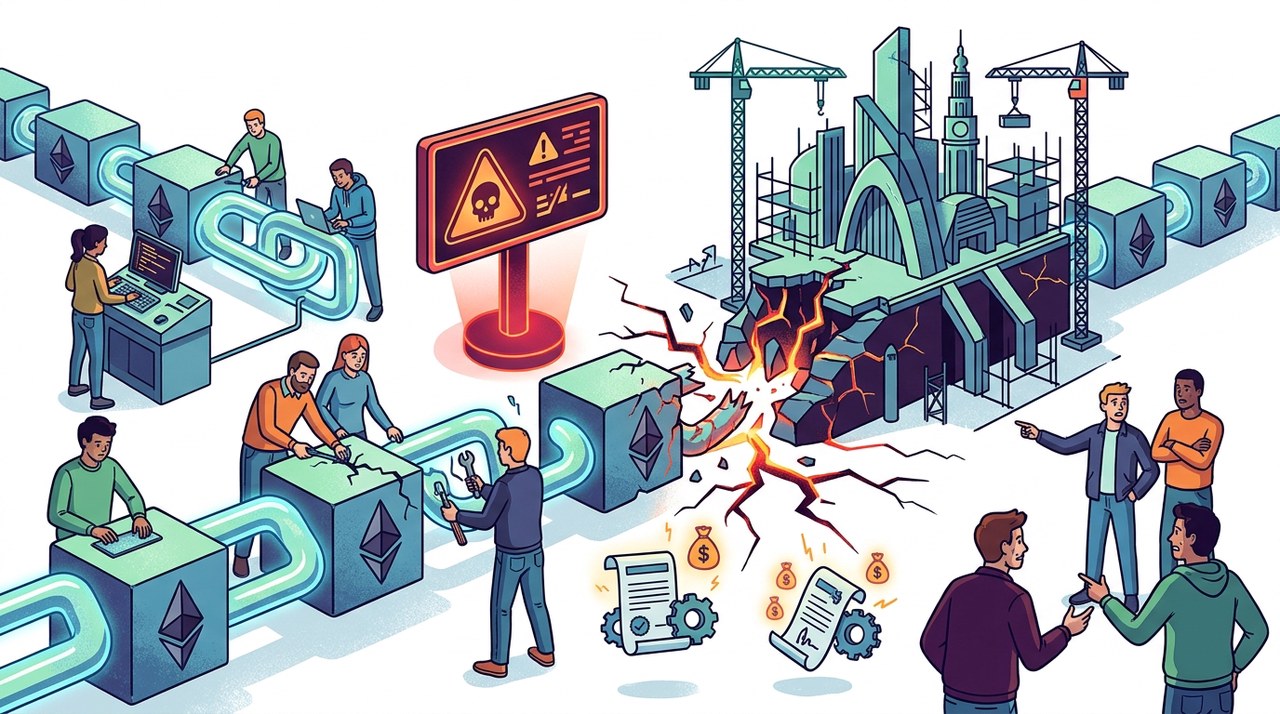

Ethereum Developers Warn Glamsterdam Upgrade Could Break Chain
Ethereum developers are urging core engineers to pause the Glamsterdam upgrade due to risks that planned gas fee changes could break active smart contracts.
|