Trump SEC Pick Advocates Formal Rulemaking for Tokenization
Senate Banking Committee Holds Key Confirmation Hearing
The U.S. Senate Banking Committee recently held a confirmation hearing for two nominees selected to join the Securities and Exchange Commission (SEC).
The panel reviewed a bipartisan pair of nominees—one representing the Democratic party and one representing the Republican party—as the current administration works to rebuild leadership across key market regulatory agencies.
Democratic SEC Pick Highlights Tokenization Policy
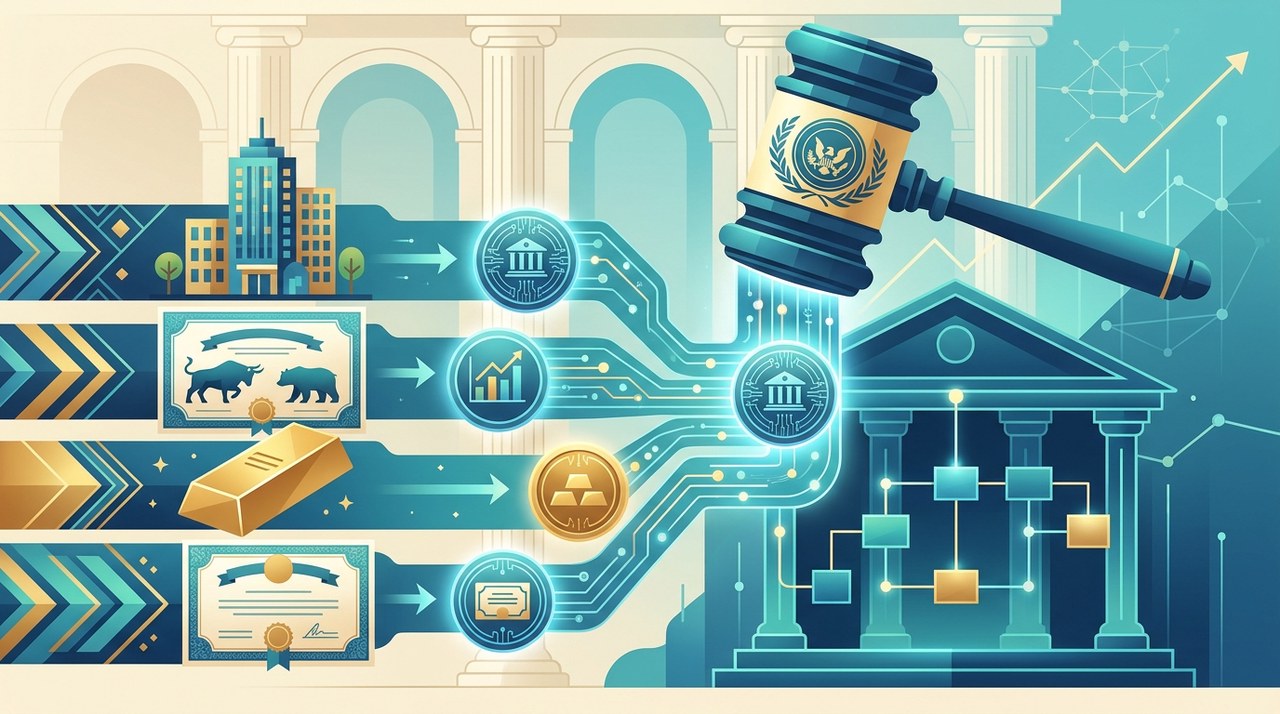
During the confirmation proceedings, the Democratic SEC nominee pointed out that asset tokenization policy needs a complete, formal rulemaking process.
Instead of relying on informal legal actions or ad-hoc guidance, the nominee emphasized that establishing clear rules through standard administrative procedures would offer better guidance for the market.
What Is Asset Tokenization?
Asset tokenization involves representing real-world financial assets—such as government bonds, real estate, stocks, or commodities—as digital tokens on a blockchain network.
Think of it like issuing a digital certificate of ownership. Instead of keeping paper deeds or centralized ledger records, ownership rights are tracked on a distributed digital ledger, enabling faster transactions and fractional ownership.
Why Formal Rulemaking Matters for Crypto Regulators
Formal rulemaking requires regulatory agencies to propose specific guidelines, open them up for public comments, and carefully evaluate market feedback before enacting new laws.
This structured public process provides greater transparency for financial institutions, software developers, and everyday investors compared to regulating primarily through enforcement lawsuits.
Market Impact and Investor Protections
Clear and formal regulations could help traditional financial institutions safely integrate blockchain technology while preserving critical investor protections.
However, regulatory shifts can create uncertainty as markets adapt to changing standards. Digital asset markets remain subject to price volatility and evolving compliance requirements across different jurisdictions.
Past performance of digital assets or financial products is not indicative of future results, so market participants should always evaluate risks carefully.
Next Steps for SEC Leadership
The Senate Banking Committee will decide whether to advance both nominees to a full Senate vote for confirmation.
If confirmed, the new commissioners will take their seats at a pivotal moment, influencing how the SEC approaches digital assets, tokenization, and capital market oversight moving forward.
Latest blog posts


How SHRINCS Aims to Protect Bitcoin From Quantum Threats
Researchers have published a security analysis for SHRINCS, a proposed quantum-resistant signature scheme designed to safeguard Bitcoin.
|
Why High Rates Could Slow Bitcoin Buying at Treasury Firms
Higher interest rates increase capital costs, making it harder for treasury firms to sell new shares efficiently to fund further Bitcoin purchases.
|

Ethereum Glamsterdam Upgrade May Be Delayed to 2027
Ethereum developers are considering delaying the Glamsterdam upgrade to May 2027 due to gas pricing proposals that could disrupt existing smart contracts.
|