

Trezor Urges Crypto Users Never to Enter Wallet Backups on Phones Following $600K Theft Inquiry
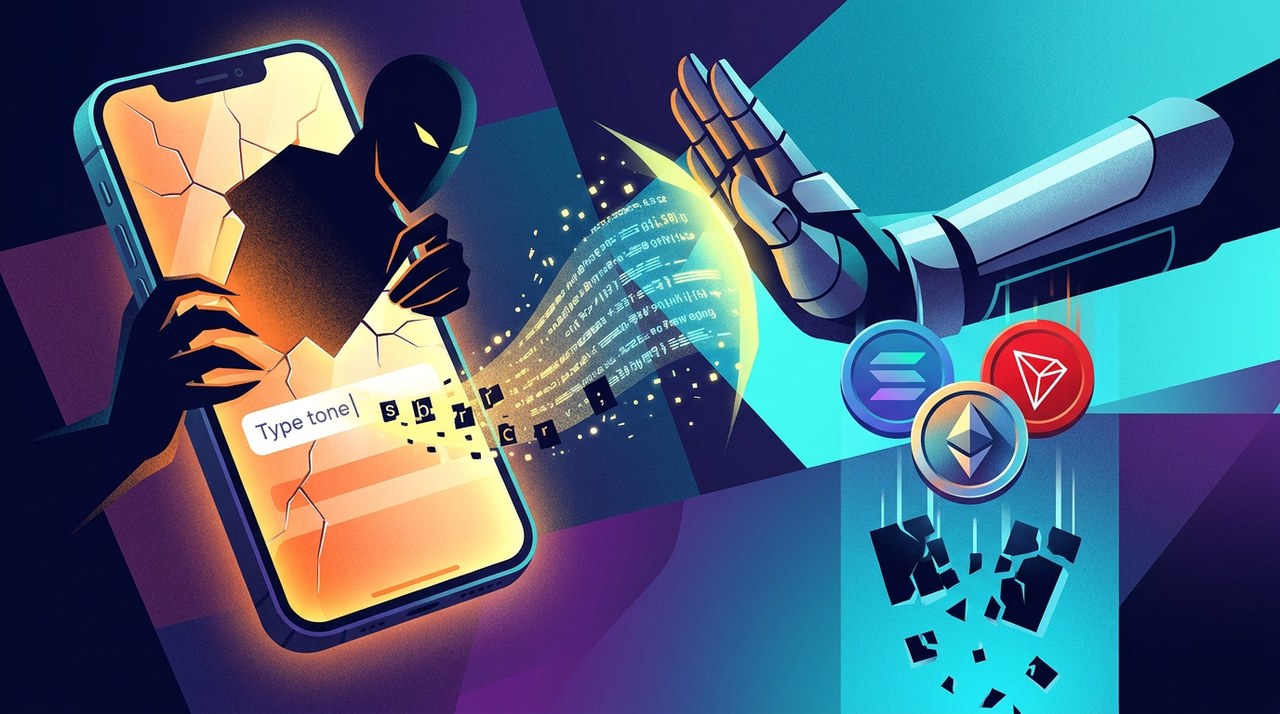
Trezor Issues Urgent Warning After $600,000 Theft Report
Cryptocurrency hardware wallet provider Trezor has issued a critical security reminder to digital asset holders worldwide. The company highlighted one non-negotiable rule for self-custody: never type your wallet recovery phrase into any phone, application, or website.
The public statement comes after a crypto user reported losing more than $600,000 across multiple blockchain networks. The victim held assets on both the TRONTRX-2.55% and SolanaSOL-2.97% blockchains while using a combination of hardware and mobile wallet applications.
Trezor is actively investigating the incident alongside security researchers. Meanwhile, the company is using the event to remind crypto users how vital offline key storage really is.
Breaking Down the $600,000 Asset Loss
The security incident first gained public attention when blockchain monitoring account Onchain Lens shared details of the attack. The affected investor was operating an iPhone 17 Pro Max running iOS 27.2.1 when the funds disappeared.
According to reports provided by the victim, the unauthorized transfers drained funds from two distinct network addresses linked to the same backup phrase:
- TRON Network Loss: Approximately $580,000 was drained from the TRON address. This included an unauthorized transfer of 49,999 USDT on November 21, 2026.
- Solana Network Loss: An additional $23,400 in crypto assets was drained from the victim's Solana address.
- Transaction Details: The unauthorized TRON transfer utilized default owner permissions, making key signing authority a core focus of ongoing investigations.
The victim maintained that they never approved either transaction on their physical hardware device screen. Both wallet accounts shared a single recovery seed phrase.
The Victim's Wallet Setup and Security Measures
What makes this incident notable to security analysts is that the victim appeared to follow standard security practices prior to the drain.
The user had been using their Trezor Safe 7 hardware wallet for nearly two months. They confirmed that the unit arrived factory-sealed directly from Trezor with no visible signs of box or seal tampering.
During the initial setup, the wallet's recovery phrase was generated entirely on the built-in screen of the Trezor hardware unit. The user wrote the seed phrase down on paper and stated it was never saved in any digital format, such as digital notes or photos.
For daily usage, the owner connected the Trezor Safe 7 to the Trezor Suite app on their iPhone 17 Pro Max via Bluetooth. They also maintained the Exodus software wallet app on the exact same smartphone.
Investigating Potential Vectors: iOS Bugs and Hardware Security
Hardware wallets like the Trezor Safe 7 are engineered to keep private keys stored inside an isolated secure element chip. Under normal conditions, compromising a connected smartphone should not allow attackers to extract private keys from the physical device.
Because hardware wallets require physical button presses to sign transactions, security researchers are analyzing how an unapproved transfer could occur.
Attention initially turned to mobile operating system security. On November 9, 2026, Apple released iOS 27.2.1, an emergency update that patched several software vulnerabilities, including security holes affecting Bluetooth connections.
The victim's iPhone was already running iOS 27.2.1 when the funds were moved on November 21, 2026. However, security analysts emphasize that there is currently no direct evidence linking those Apple vulnerabilities to the wallet drain.
Potential attack vectors currently being explored include:
- Exposed Backup Credentials: Accidental exposure of the paper seed phrase to digital capture or physical sight.
- Unauthorized Signing: Sophisticated malicious software interacting with app permissions or connected interfaces.
- System Vulnerabilities: Undiscovered bugs within mobile applications or operating environment security layers.
Trezor Responds to the Investigation Findings
Trezor officially addressed the situation in a public update on November 24, 2026. The hardware manufacturer pointed out that crypto assets do not drain spontaneously from secure hardware without an external point of compromise.
"Never type your wallet backup into a phone, app or website." — Trezor Official Statement
Trezor noted that historical cases involving unauthorized withdrawals almost always trace back to compromised backup phrases. The team confirmed that there are no verified reports of remote extraction attacks affecting intact Trezor devices.
In a follow-up investigation note, Trezor confirmed that the device in question was ordered directly from the company and showed no hardware implants. Furthermore, no physical implants have ever been discovered in any Trezor Safe 7 unit across the market.
Trezor concluded by treating this as an isolated case while reminding all crypto holders that hardware security depends on strict operational hygiene.
Key Takeaways for Crypto Storage Security
Managing digital assets through self-custody offers full control over your funds, but it requires maintaining rigorous safety habits. Security experts recommend reviewing these basic principles:
- Keep Recovery Words Fully Offline: Never enter your 12 or 24-word seed phrase on a keyboard, touch screen, camera, or website form.
- Verify Prompts on Physical Devices: Always check that the transaction recipient address and amounts displayed on your hardware wallet screen match your intent before confirming.
- Separate Mobile Software and Cold Storage: Avoid importing your cold storage seed phrases into mobile software wallets installed on everyday smartphones.
- Store Backups Securely: Keep your physical paper or metal backup copies in safe locations protected against theft, sight, and environment hazards.
As investigations into this standalone incident continue, crypto users are advised to double-check their security setups and ensure their recovery phrases remain completely isolated from digital screens.
Latest blog posts

South Korea Drafts Crypto Bill for ICOs and Exchange Stakes
South Korea's draft crypto bill aims to permit domestic ICOs and cap exchange ownership stakes at 20% as it moves to the legislature.


Bitcoin Drop to $55,000 Leaves 11.6 Million BTC Underwater
When Bitcoin fell to $55,000, a record 11.6 million BTC fell into an unrealized loss, but large entities continued accumulating coins.
|
Claude Proves 1979 Math Problem Alone Days After Riemann Proof
Anthropic's Claude AI authored a 70-page paper solving the VP vs VNP math puzzle, sparking discussions across computer science and crypto security.
|