Texas Brothers Sentenced to 15 Years for Armed Crypto Robbery
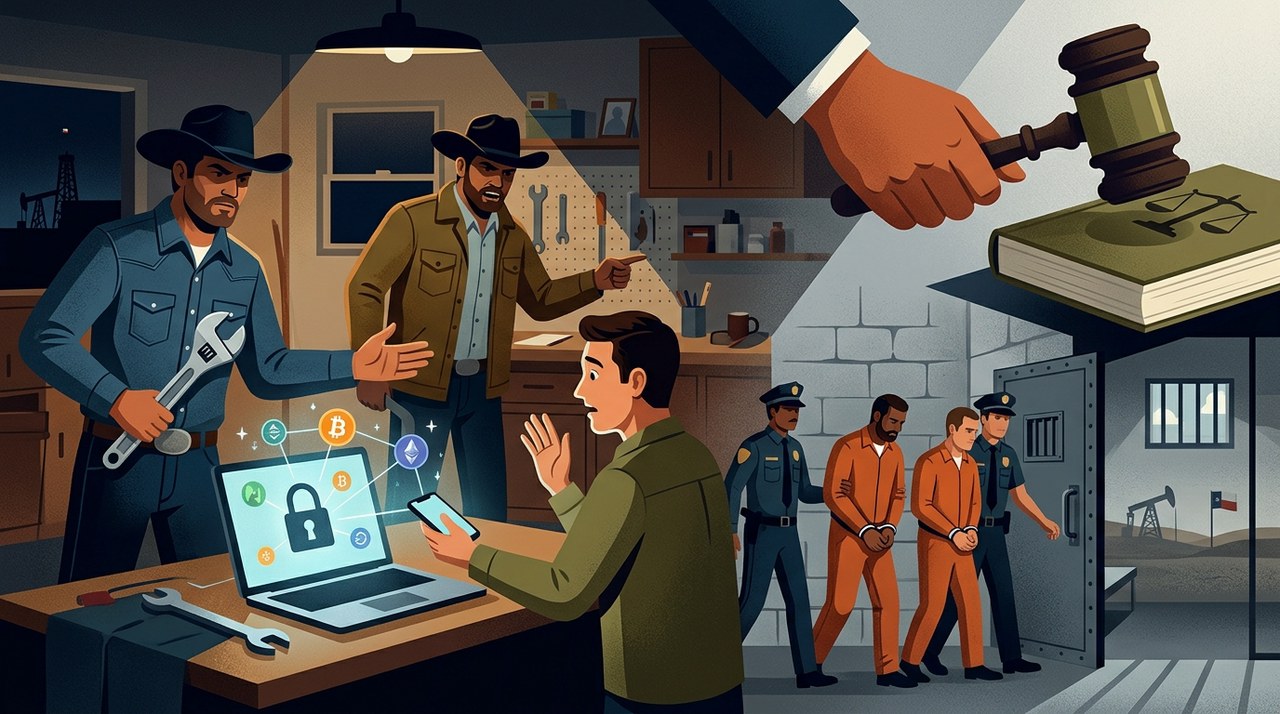
Severe Sentences for Violent Texas Crypto Kidnappers
Two brothers from Texas are facing long prison terms following a violent crime targeting cryptocurrency holders. A judge sentenced both men to 15 years in prison for armed crypto robbery and kidnapping.
This ruling highlights how law enforcement agencies are handing down severe penalties for physical crimes involving digital assets. Authorities want to send a firm warning to anyone attempting to steal crypto through violence.
What Are Crypto Wrench Attacks?
When people think about crypto theft, they usually picture online hackers. They imagine fake websites, stolen passwords, or software vulnerabilities.
However, security experts use the term wrench attack to describe a very different threat. A wrench attack occurs when criminals use physical force, threats, or extortion to demand access to a victim's crypto wallets.
Instead of spending months bypassing digital encryption, attackers target the human owner directly. These real-world assaults pose a serious risk to digital asset holders everywhere.
The Spike in Home Invasions Worldwide
Recent data reveals a concerning change in how physical crypto crimes take place across the globe. During the first half of 2026, home invasions emerged as the most common form of crypto wrench attacks worldwide.
The statistics reveal a dramatic jump in these violent events. Reported crypto-related home invasions rose from just 1 single incident up to 20 incidents over that six-month period.
This sudden increase demonstrates that criminals are increasingly confronting victims in their own homes. Attackers view private residences as places where victims feel trapped and vulnerable.
Why Attackers Target Crypto Holders Physically
Why are criminals turning to physical home invasions? The answer lies in the fundamental design of blockchain technology.
Cryptocurrency transfers are permanent and irreversible. Unlike traditional bank transfers, there is no central fraud team to reverse a forced transaction once it reaches the network.
Additionally, some investors unintentionally attract attention online. Displaying expensive purchases or discussing large portfolio gains on social media can draw interest from local criminals.
How to Protect Your Physical Security
Staying secure in the crypto space requires attention to real-world privacy as well as digital protection. Here are several simple steps to help keep yourself safe:
- Practice strong operational security (OpSec): Keep details about your crypto wealth private. Avoid sharing wallet balances or address screenshots online.
- Set up multi-signature wallets: Multi-sig setups require approvals from multiple devices or locations before funds can move.
- Use hidden wallet passphrases: Many hardware wallets allow you to create hidden accounts protected by a secondary passphrase.
- Keep recovery phrases hidden: Store backup seed phrases in secure, discreet locations rather than leaving them exposed at home.
- Be cautious on social media: Avoid posting real-time locations or revealing high-value personal belongings.
Key Takeaways for Investors
The 15-year prison sentence given to the Texas brothers demonstrates that courts take armed crypto crimes very seriously.
As adoption grows, maintaining personal privacy and physical safety is just as vital as securing your private keys.
Latest blog posts
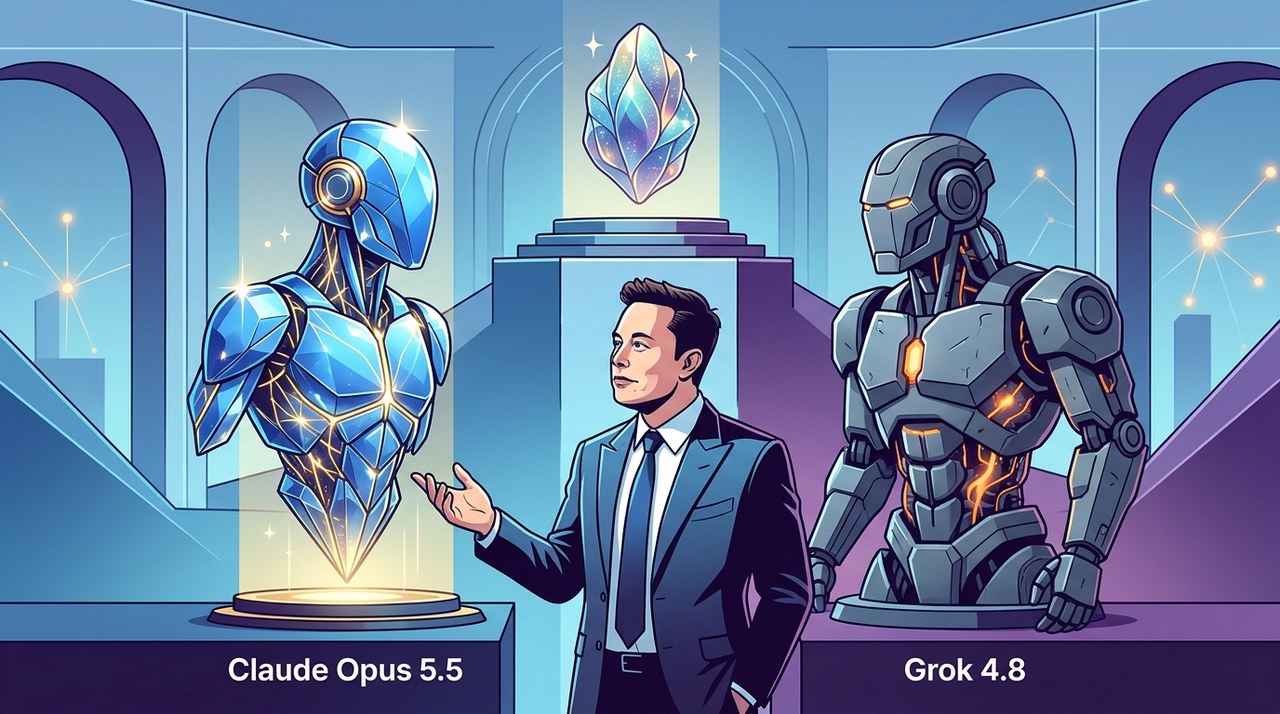
Elon Musk Says Claude Opus 5.5 Beats Grok 4.8 For Now
In a rare admission about a rival, Elon Musk praised Anthropic's Claude Opus 5.5 as a masterpiece while outlining technical updates for xAI's Grok 4.8 and Grok 5.
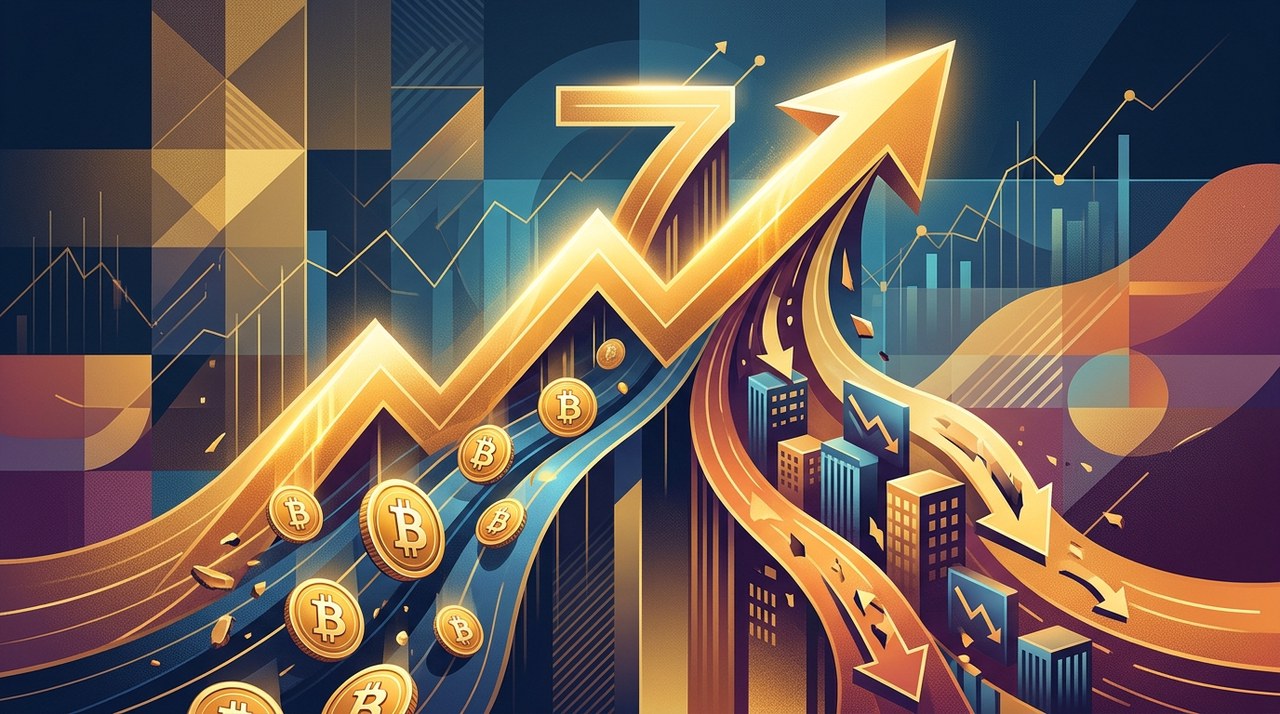

Peter Brandt Sees 30-Year Yield at 7%: Impact on BTC & Stocks
Veteran trader Peter Brandt warns US 30-year Treasury yields could climb to 7%, creating potential pressure on mortgages, stock market valuations, and Bitcoin.
|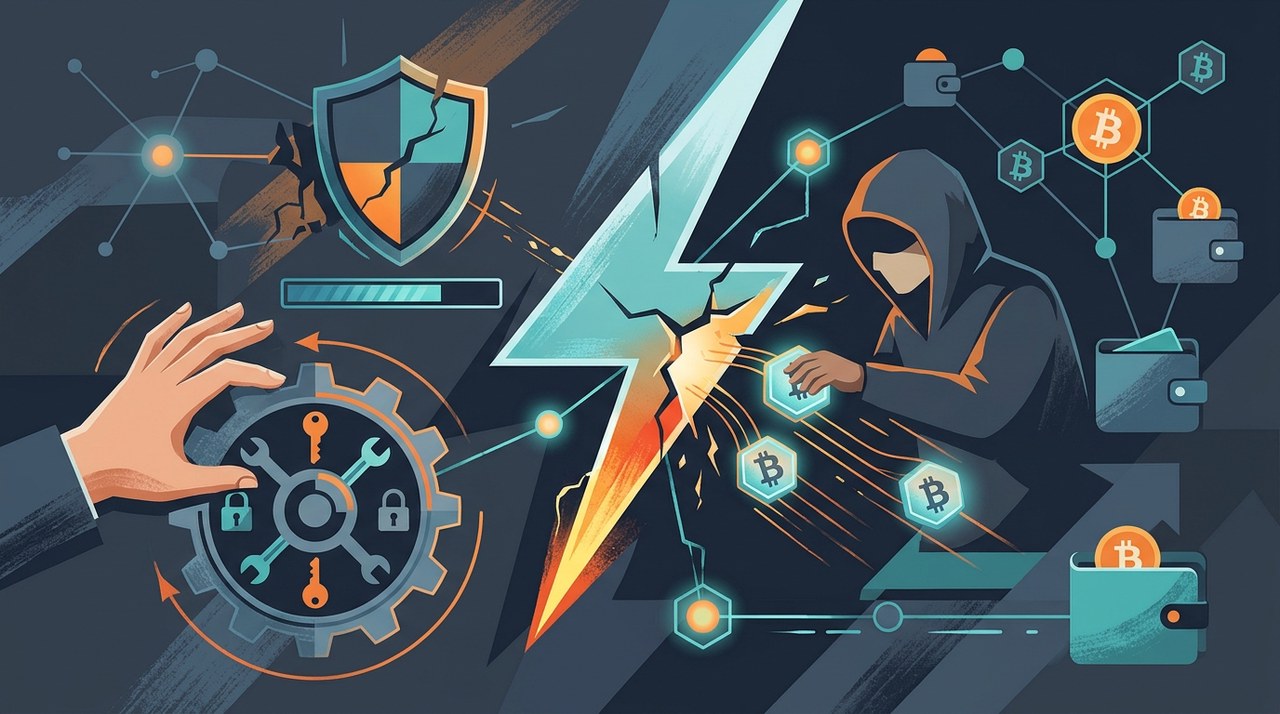

LNbits Releases Emergency Patch After Bitcoin Wallet Theft
LNbits has issued an urgent security patch following reports of wallet breaches, advising operators to update immediately and reset exposed credentials.
|