

Tether Scrutinized Over 20% Fee to Return Stolen USDT
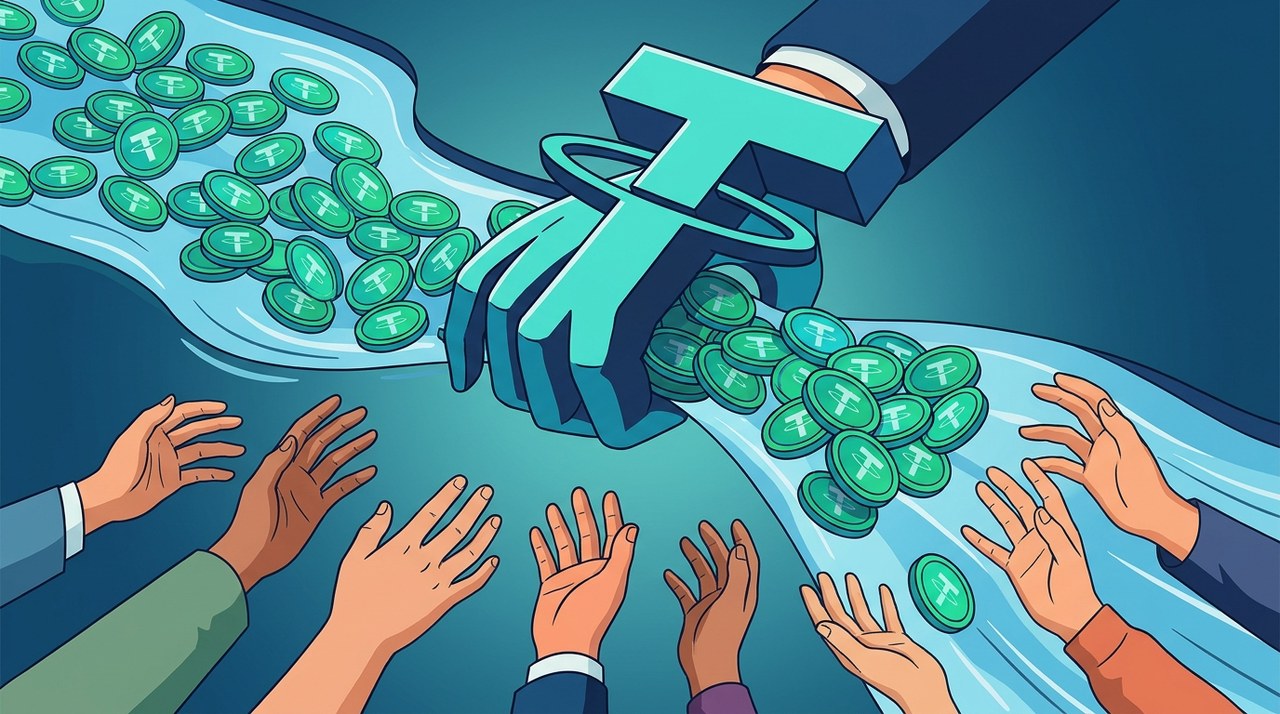
What Is Happening with TetherUSDT+0.26% and Stolen Crypto?
Imagine having your wallet stolen by a pickpocket. The police catch the thief and retrieve your money. But then, they ask for a 20% fee just to hand it back to you.
That is the situation some cryptocurrency hack victims report facing today. Tether is the company behind the world's largest stablecoin, USDT.
A stablecoin is a digital token built to maintain a steady value of $1. Reports show Tether has requested fees of up to 20% from hack victims to return frozen funds.
Tether can freeze stolen USDT on the blockchain within minutes. However, getting those frozen funds back is a separate process that can take years.
The Case of Bittok and the 20% Reissuance Fee
A Bloomberg investigation brought this practice to light. It highlighted the case of Bittok, a crypto exchange based in Singapore.
Hackers stole $50 million from Bittok in June 2020. Tether reacted quickly and froze a portion of the stolen USDT.
More than five years later, Bittok is still waiting to receive its money. Emails reviewed by Bloomberg revealed details about the delay.
A Tether lawyer told the firm that acquired Bittok that a 20% "reissuance fee" would apply to any returned funds.
What Does Reissuing Tokens Mean?
Reissuing tokens is a technical process on the blockchain. It works in three main steps:
- Cancelling or burning the frozen tokens locked in the hacker's address.
- Minting fresh USDT tokens to replace the old ones.
- Sending the newly created tokens back to the original owner.
Despite discussions regarding fees, none of Bittok's frozen funds have been returned so far. Other victims reported receiving funds in slow installments while paying similar percentage fees.
Industry Reaction and Growing Criticism
The report sparked criticism across the cryptocurrency community. Many experts questioned why victims should pay to recover their own stolen money.
Prominent industry commentator Crypto Rover voiced concern over the policy.
"Victims already lost their money to hackers. Now some are being asked to give up a huge portion of it just to get the rest back," Crypto Rover stated.
How Tether Explains Its Recovery Policy
Tether defends its practices by citing operational complexity. The company stated it has reissued $1.2 billion in USDT to date.
Tether claims these fees cover the extensive technical work and legal costs involved in returning funds safely.
The firm operates different policies based on the type of recovery:
- Standard recovery for tokens sent to the wrong address charges up to 10%.
- Complex hack cases are handled by a separate, dedicated legal team.
- Hack recoveries require deeper legal verification to confirm ownership.
Tether CEO Paolo Ardoino explained that returning funds in stages protects Tether against competing claims. It ensures multiple parties do not claim the same money.
"The problem is there is no guidance, there is no law that guides this," Ardoino stated to Bloomberg.
The Broader Context: $7 Billion in Frozen Assets
The debate comes as stablecoin issuers hold significant control over frozen funds worldwide. Tether currently holds over $7 billion in frozen USDT.
The scale of these freezes was shown during an October exploit. North Korean hackers drained $6.3 billion from Binance.
Stablecoin issuers acted swiftly to lock the stolen assets:
- Tether froze over $1.5 billion in USDT within 30 minutes.
- Circle froze $1.1 billion in USD Coin (USDCUSDC+0.26%).
Binance has since won a legal court order to reclaim part of its stolen funds.
Political Scrutiny and Industry Impact
Tether also faces political pressure in Washington. US Senator Richard Blumenthal claimed Tether does too little to stop illicit use of USDT, such as by Iran.
Ardoino rejected the senator's remarks, calling them a political attack.
Without official laws governing token recovery, the decision to return frozen assets remains largely at Tether's discretion.
Latest blog posts

Take-Two Strikes 3,007 GitHub Repos in Massive GTA 6 DMCA Crackdown
Take-Two Interactive has issued legal takedown notices removing 3,007 GitHub repositories linked to Leonida, an unofficial PC port project for Grand Theft Auto 6.
|


STRC Beats Bitcoin on Risk-Adjusted Returns, Saylor Says
Michael Saylor highlighted a chart showing Strategy's STRC preferred stock outperforming Bitcoin and the S&P 500 on one-year risk-adjusted returns.
|
Revised Bitcoin Power Law Model Sets Baseline at $99,000
A revised Bitcoin Power Law model uses quantile regression to estimate a fair value baseline near $99,000, offering a lower projection than traditional models.
|