


tBTC Bridge Resumes Operations After Critical Linux Vulnerability Patch
What Happened to the tBTC Bridge?
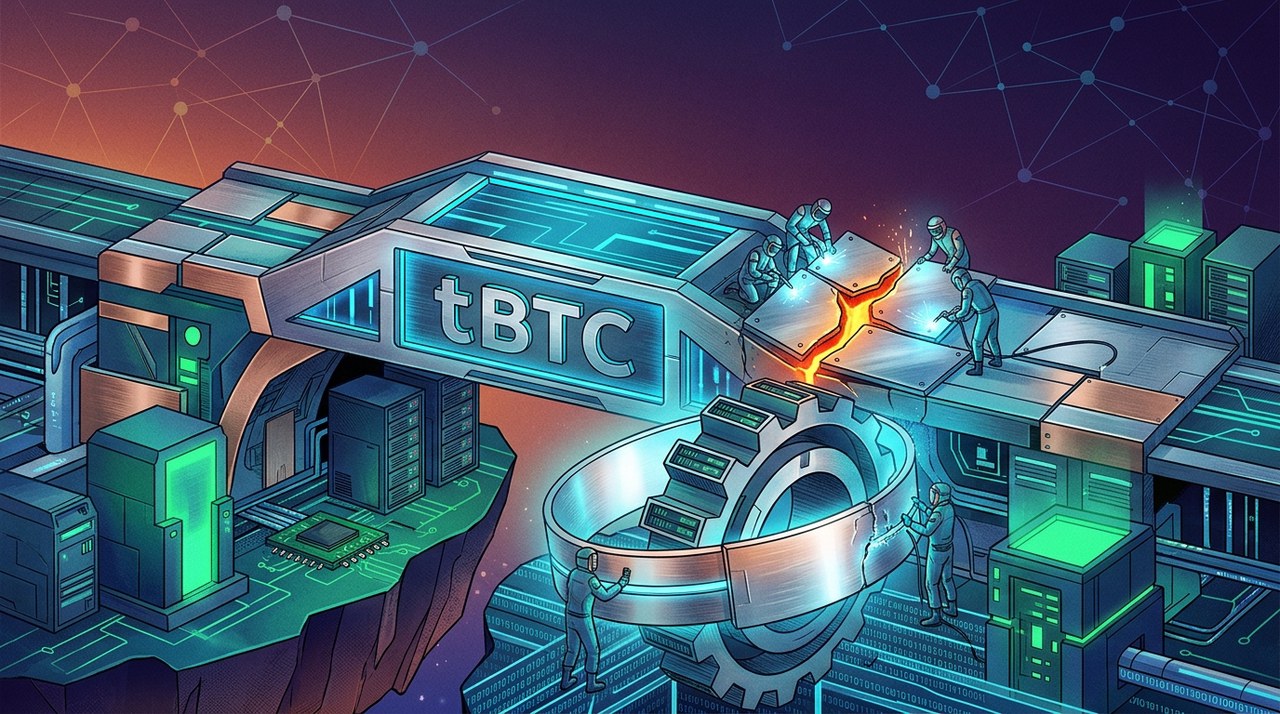
On October 30, node operators running the Threshold Network made a swift security decision. They temporarily paused the tBTC bridge to address a critical vulnerability hidden deep within the Linux operating system.
The preventative pause was triggered by a flaw in the Linux kernelKERNEL+0.00%. If left unpatched, this flaw could allow unauthorized attackers to execute malicious code directly on unpatched servers.
By pausing operations early, node operators successfully prevented potential exploits before any crypto assets could be compromised.
Understanding the Linux Kernel Vulnerability
To understand why this issue was so serious, think of the Linux kernel as the core engine powering a computer. Most blockchain nodes and cloud servers rely on Linux to run their daily software.
A remote code execution flaw in the kernel is like leaving the master key under the doormat. It could potentially give hackers control over the underlying computer running the node.
To fix this, server administrators had to take their infrastructure offline briefly, apply essential operating system updates, and verify server integrity before restarting operations.
Impact on AaveAAVE+0.40% and $120 Million in Reserves
Because tBTC is widely integrated into decentralized finance platforms, the bridge pause had an immediate knock-on effect.
Approximately $120 million worth of tBTC locked in reserve within the Aave protocol became temporarily frozen. Users could not mint new tBTC or redeem their tokens back to native BitcoinBTC-1.76% during the maintenance window.
Despite the temporary pause on bridging operations, the smart contract funds themselves remained safe and accounted for throughout the maintenance procedure.
What is tBTC and Why Does Bridge Security Matter?
Bitcoin cannot natively interact with EthereumETH-4.65% smart contracts. Wrapped tokens like tBTC solve this problem by letting users lock real Bitcoin and receive an equivalent token to use in DeFi.
Unlike centralized wrapped Bitcoin options, tBTC relies on a permissionless network of independent node operators. This design avoids reliance on a single corporate custodian.
However, decentralized bridges rely heavily on robust server infrastructure. If node operators do not keep their operating system patches up to date, system vulnerabilities can threaten the security of the entire network.
Current Status and Next Steps for the Network
The bridge has begun a partial resumption as independent node operators complete the necessary updates on their individual servers.
Full bridge functionality is expected to return progressively as more operators patch their operating systems and rejoin the consensus network.
Important Risk Considerations for Crypto Users
Using cross-chain bridges and decentralized lending protocols involves underlying technical risks. Security bugs can stem not only from smart contract code but also from basic server software like operating system kernels.
Investors should always consider system security, bridge lockups, and market volatility when participating in decentralized finance platforms.
Past performance of digital assets or protocols like AAVE is not indicative of future results. You can view market performance metrics anytime on Bitkub Market AAVE.
Latest blog posts

Vitalik Buterin Says ETH Fee Burn Won't Drive Ethereum Value
Ethereum co-founder Vitalik Buterin says ETH should focus on being a store of value rather than relying on fee burns.
|
Bitcoin Breaks 50-Week Line: What History Tells Us
Bitcoin closed below its 50-week moving average after seven weeks above it. Here is how past cycles navigated similar technical breaks.
|


Why Big Money Does Not Trust AI Crypto Agents Yet
AI agents executed 6.4 million crypto payments in 35 days, but security vulnerabilities and settlement delays keep institutional investors cautious.
|