
Swift Blockchain Needs Internal Bank Upgrades, Taurus Warns
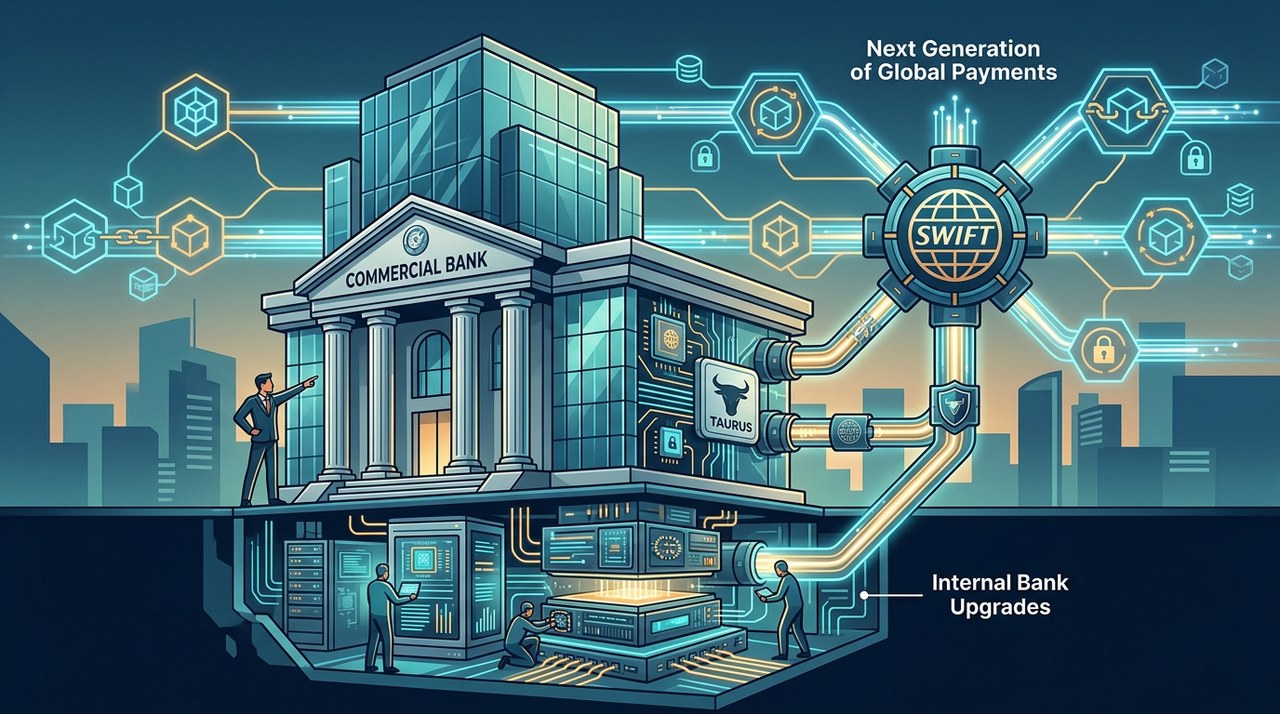
Connecting Banks to the Next Generation of Global Payments
The global financial world is undergoing a major technological upgrade. Swift, the messaging network that powers global banking, is moving into blockchain technology. The goal is to allow banks to transfer tokenized money across international borders at any time of day, including weekends.
However, joining this new digital ecosystem is not as simple as flipping a light switch. According to Lamine Brahimi, co-founder and managing partner at digital asset platform Taurus, commercial banks face significant technical setup requirements before they can connect to Swift's modern ledger.
In a recent discussion, Brahimi highlighted that while Swift's new system is technically ready for live transactions, individual financial institutions must first upgrade their own internal technology stacks.
The Three Tech Layers Required for Connection
To successfully interface with Swift's modern blockchain ledger, Brahimi noted that banks must deploy three fundamental technological building blocks inside their own operations:
- A Permissioned Private Ledger: An internal, highly secure blockchain network that records local transactions and communicates directly with Swift's central platform.
- Digital Asset Wallet Tools: Specialized security software that enables the institution to store, transfer, and manage cryptographic keys safely.
- Tokenization and Smart Contract Capabilities: Automated programming logic required to create digital representations of money and execute Swift's automated transaction rules.
Without these three core pieces of infrastructure, a bank simply cannot process tokenized deposits or execute smart contract instructions sent across the Swift network.
How Swift's Ledger Actually Works: An Orchestration Layer
It helps to understand what Swift's new system actually does—and what it leaves to individual banks. Swift is not replacing internal bank databases, nor is it changing how final interbank settlements ultimately clear.
Instead, Swift acts as an orchestration layer. Think of Swift like an advanced air traffic control tower. It coordinates the flight paths, directions, and timing of digital transactions between different international airports. However, each individual bank must still build its own runways, terminals, and maintenance hangars to handle the aircraft.
Because Swift serves as a coordinator, money remains safely on the participating bank's balance sheet. This creates a clear distinction between regulated, bank-backed tokenized deposits and third-party stablecoins operating outside traditional banking frameworks.
Real-World Proof: Live Tests Show Speed Improvements
The move toward tokenized commercial bank money is moving quickly from concept to reality. Back in July, Swift disclosed that 17 global banking institutions were actively preparing to run live tokenized-deposit transfers.
By August, banking giants HSBC and Standard Chartered successfully executed the very first live interbank payment using Swift's tokenized system. Shortly after, DBS and Citi completed a live weekend cross-border dollar payment.
That transaction settled in a matter of minutes, whereas traditional cross-border bank payments can take up to two full business days to clear.
This speed advantage highlights the potential value of 24/7 payment capability. Traditional banking settlement networks operate primarily during standard weekday business hours, leaving international businesses waiting over weekends and holidays.
Overcoming the Multi-Vendor Challenge
While building internal digital asset infrastructure requires effort, Brahimi emphasized that it does not present an impossible hurdle for forward-thinking institutions. Many major banks already issue or manage digital assets, meaning part of their foundation is already laid.
However, managing these systems can become complicated if a bank relies on multiple different software vendors. To address this, Taurus recently integrated its platform directly with Swift in August.
Taurus provides all three required technical layers—permissioned ledgers, wallet tools, and smart contract capability—within a single unified software platform. Brahimi noted that using an integrated platform reduces operational headaches compared to assembling tools from separate vendors.
Why Tokenized Deposits Are Expanding Beyond Mega-Banks
Tokenized commercial bank money is not entirely new. Major financial institutions like JPMorgan have used internal blockchain ledgers for years to move funds between their own global branches.
However, until recently, tokenized deposits remained largely confined to individual banking giants. Moving money between different independent banks required mutually agreed-upon standards, shared protocols, and compatible software platforms.
Swift's entry changes this dynamic completely. Swift currently dominates international financial communications, helping move up to $1.5 quadrillion across global borders every year. By establishing standardized blockchain rules, Swift allows banks of various sizes to interact seamlessly without reinventing global standards.
The Path Ahead: Choice, Innovation, and Risk Awareness
Brahimi views Swift's upgrade as a positive evolution rather than a complete replacement of traditional banking infrastructure. It gives institutions the flexibility to choose between established payment rails and brand-new 24/7 tokenized arrangements.
While tokenized deposits offer faster settlement and continuous availability, financial institutions must also navigate key operational and technology transition risks. Integrating new ledger systems requires rigorous cyberCYBER-6.40% security standards, continuous system testing, and compliance with evolving international banking regulations.
As more commercial banks roll out the required internal wallet tools and smart contract capabilities, round-the-clock tokenized payments could soon become a standard feature of global commerce.
Latest blog posts
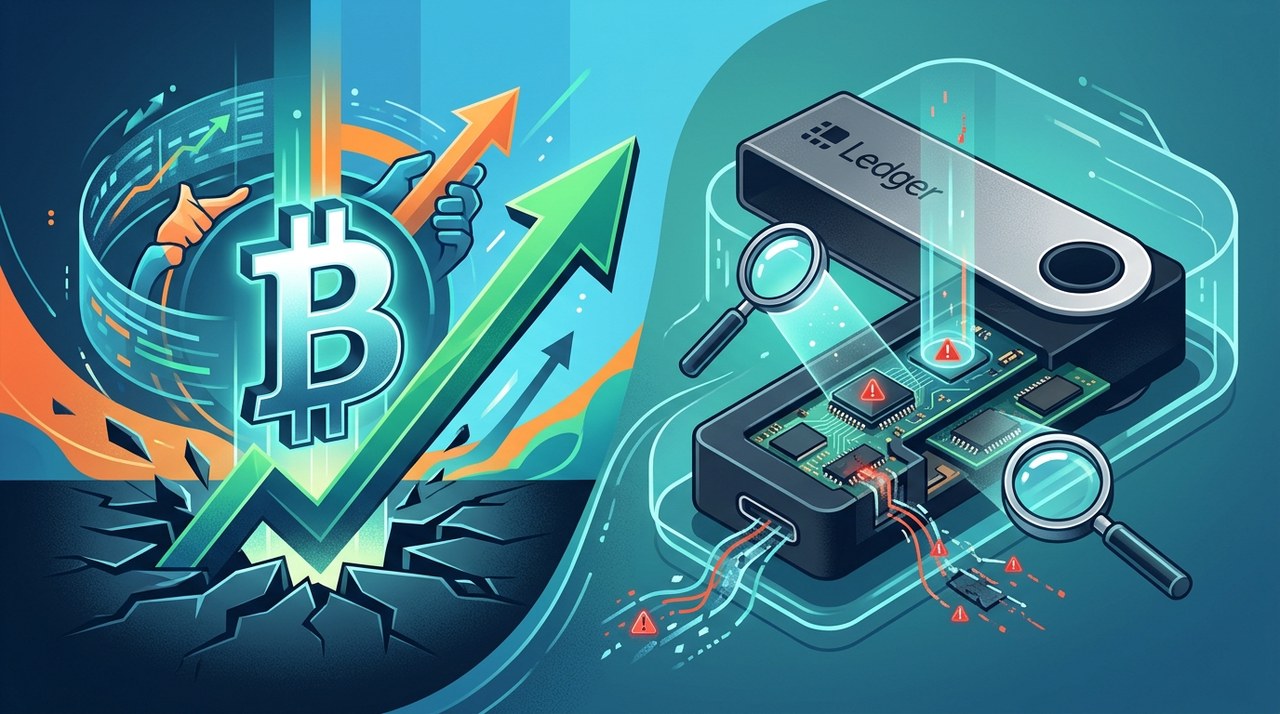

Bitcoin Rebounds From $55,110 Low as Ledger Probes Tampered Units
Bitcoin rebounded after hitting a $55,110 cycle low, while Ledger investigates reports of tampered devices in Berlin and the UAE.
|

 +2
Bitcoin Rebounds Above $61K After Rough November Wipeout
Bitcoin recovered above $61,000 after dropping to $55,640, though November losses remain significant across the wider crypto market.
|

 +2
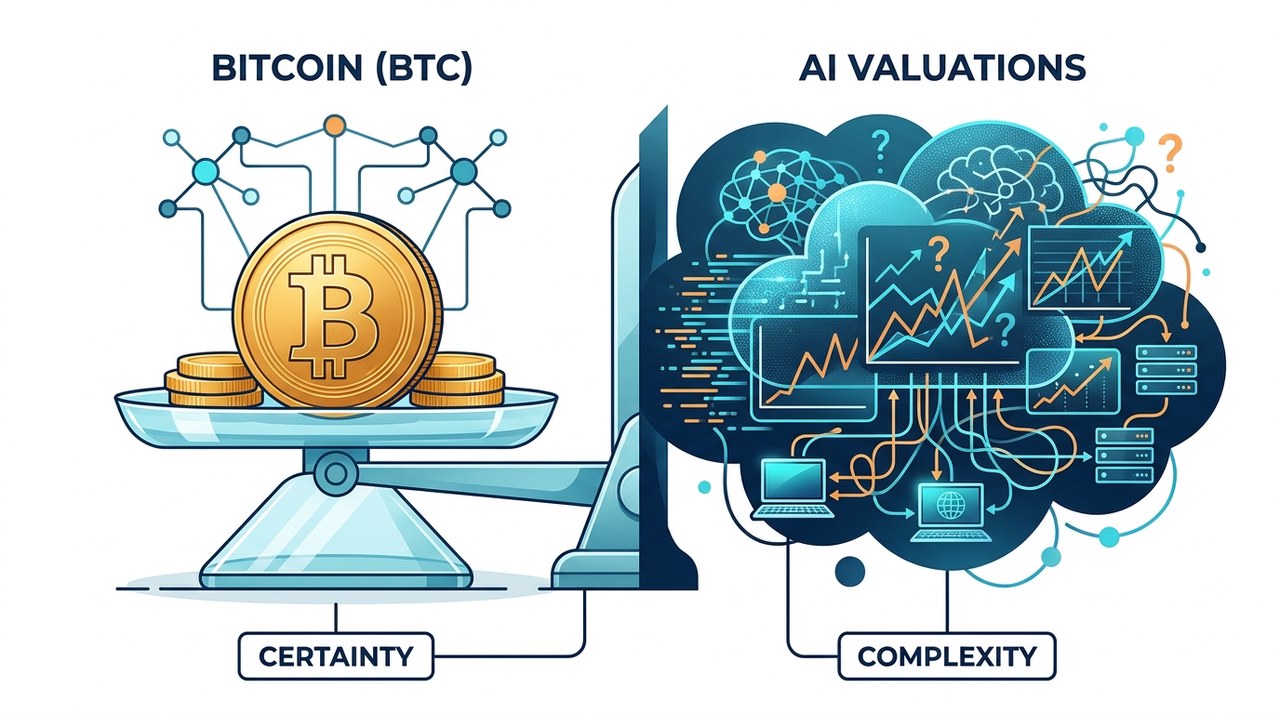
Why Bitcoin Is Easier to Value Than AI
Investor Bill Miller IV explains why valuing Bitcoin is simpler than AI stocks, despite BTC having no cash flow.
|