


Sui Reaches 40.6 Million TPS in Live AI Stress Test
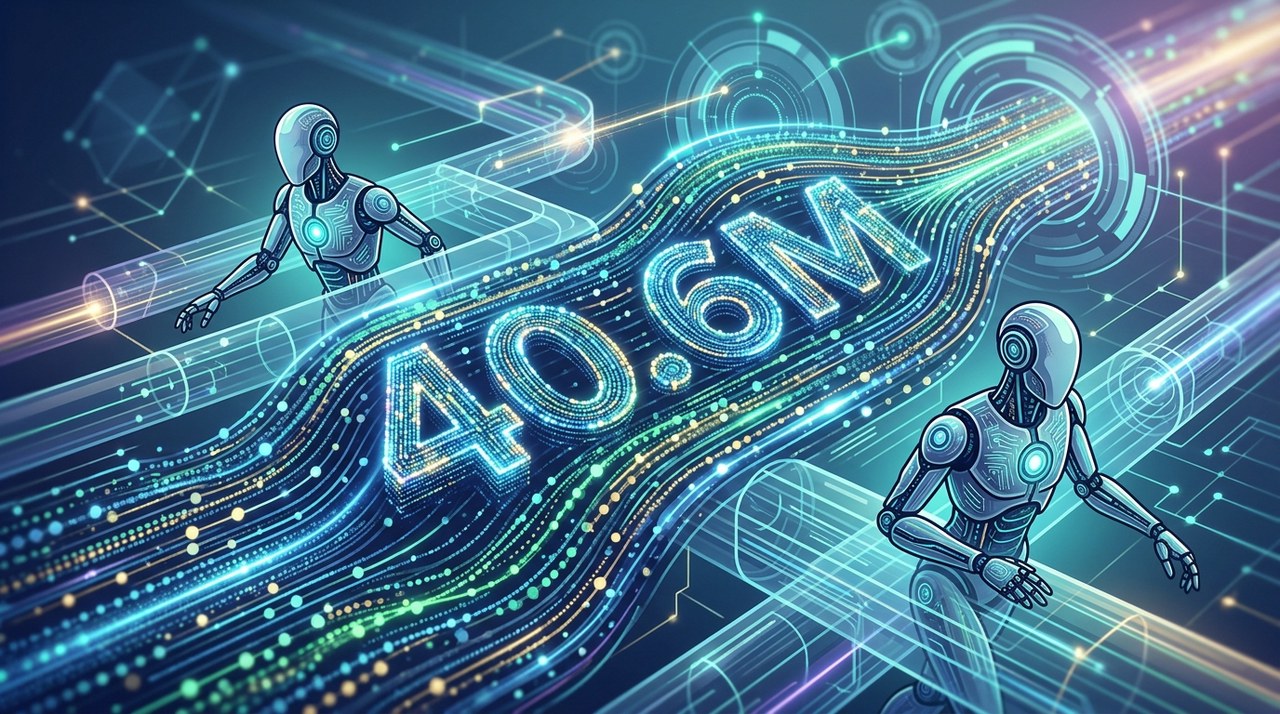
A Breakthrough Milestone for Blockchain Speed
Imagine trying to clear millions of financial transactions in the blink of an eye without dropping a single piece of data.
That scenario is no longer just a theoretical dream for decentralized networks.
The layer-1 blockchain network SuiSUI-5.58% recently announced that its platform successfully achieved a massive performance milestone of 40.6 million transactions per second (TPS).
This record speed was recorded during a live stress test designed to simulate high-frequency interaction between artificial intelligence (AI) agents.
Understanding the Core Facts of the Test
To fully understand what happened, let us break down the main components of this live experiment.
- The Platform: Sui, a modern layer-1 smart contract blockchain.
- The Speed: 40.6 million transactions per second (TPS).
- The Scaling Mechanism: Programmable offchain tunnels.
- The Scenario: A live stress test simulating ultra-fast automated communications between AI agents.
This stress test proves how blockchain execution environments can scale when handling automated machine-to-machine interactions.
What Are Programmable Offchain Tunnels?
Standard blockchain networks process transactions directly on the primary chain, which means every computer on the network must validate every action at the same time.
This traditional setup often leads to congestion, high transaction fees, and slower processing speeds when traffic surges.
Programmable offchain tunnels act like dedicated high-speed express lanes built outside the main road.
They allow two or more parties—such as automated software scripts or AI agents—to run complex interactions away from the main chain.
An Everyday Analogy: Running a Bar Tab
Think of an offchain tunnel like running a tab at your favorite local cafe.
Instead of standing in line and paying with your credit card every time you order a coffee, the barista simply writes down your order on a notepad.
You can order fifty drinks throughout the day instantly without waiting at the cash register each time.
At the end of the evening, you pay once for the final combined total.
Offchain tunnels operate under a similar logic for digital computers.
Millions of micro-transactions occur rapidly inside the private tunnel, and only the final outcome is finalized onto the main blockchain.
Why Do AI Agents Need High-Speed Blockchains?
Artificial intelligence is evolving beyond simple chat assistants that answer basic questions.
We are moving rapidly toward autonomous AI agents—software tools capable of making independent financial and operational decisions.
These AI agents need to talk to each other, trade data, purchase services, and verify facts thousands of times every second.
- Micro-payments: AI algorithms paying fractions of a cent to query databases or access API keys.
- Automated Arbitrage: Bots exchanging financial assets across global markets in real time.
- Resource Sharing: Autonomous systems leasing cloud computing power or storage capacity dynamically.
Human-oriented payment networks process hundreds or thousands of actions per second, but AI-driven systems require processing capacity measured in the millions.
How Does Sui Infrastructure Support This Load?
Sui was constructed from scratch by former core engineers from Meta's blockchain project.
Unlike older blockchains that treat data as simple sequential accounts, Sui utilizes an object-centric data model.
In Sui's system, assets and data points are individual objects that can be processed independently in parallel.
Parallel Processing Power
On standard linear networks, transaction B must wait until transaction A is fully finished before starting.
Sui's architecture allows unrelated transactions to process simultaneously across multiple server cores.
When combined with offchain tunnels, this parallel processing framework removes conventional bottlenecks.
Comparing 40.6 Million TPS to Traditional Metrics
To visualize how high 40.6 million transactions per second really is, let us compare it to existing global networks.
- BitcoinBTC-2.74% Mainnet: Handles around 7 transactions per second on average.
- EthereumETH-3.15% Mainnet: Typically processes between 15 and 30 transactions per second.
- Visa Payment Network: Handles an average operational capacity of 1,700 to 4,000 transactions per second, with peak capabilities reaching higher.
- Sui Offchain Tunnels: Recorded 40,600,000 transactions per second during this specific test.
This contrast shows how specialized offchain designs differ from traditional global base-layer consensus engines.
Stress Test vs. Real-World Production Environment
While 40.6 million TPS is an impressive technical benchmark, it is crucial to understand the environment where this occurred.
A stress test is a controlled experiment designed to find the absolute limits of software engineering.
Controlled benchmarks show maximum potential speed, but real-world conditions depend on network latency, user behavior, and global hardware distribution.
Processing high volumes inside offchain tunnels requires reliable internet bandwidth, strong hardware setups, and secure cryptographic channel updates.
Key Engineering Considerations and Technical Trade-offs
Scaling any computer system always involves balancing three core factors: speed, security, and decentralization.
- Hardware Demand: Running extreme transaction loads demands high-performance processing hardware.
- Offchain State Synchronization: Tunnels must remain cryptographically secure so neither AI agent can falsify offchain statements.
- Mainnet Settlement: When offchain channels close, the final settlement state must be recorded on the mainnet without causing congestion.
Developers are continuously refining state channel designs to make sure speed gains do not compromise security.
What This Means for the Future of Decentralized Tech
As artificial intelligence applications continue to expand globally, the demand for scalable computational infrastructure will grow.
Sui's stress test demonstrates that programmable offchain tunnels can offer high throughput for automated machine workloads.
This experiment marks a significant step forward in understanding how machines will interact financially in automated digital ecosystems.
Important Disclaimers and Market Context
Technical benchmarks and network achievements demonstrate technology performance but do not guarantee future market prices or investment returns.
Digital asset markets remain volatile, and technical performance can vary depending on network conditions.
Past performance of digital assets is not an indication of future results. You can view the latest live Sui market metrics on Bitkub SUI Market.
Latest blog posts

Czech Central Bank Keeps Bitcoin Trial Under Wraps
The Czech National Bank purchased Bitcoin a year ago as an experiment, carrying the asset at cost despite a 40% price drop.
|
Derive Launches Onchain Options for Nvidia, Anthropic, and Oil
Derive has expanded its decentralized finance platform by launching options trading for Nvidia, Anthropic, major stock indices, and crude oil.
|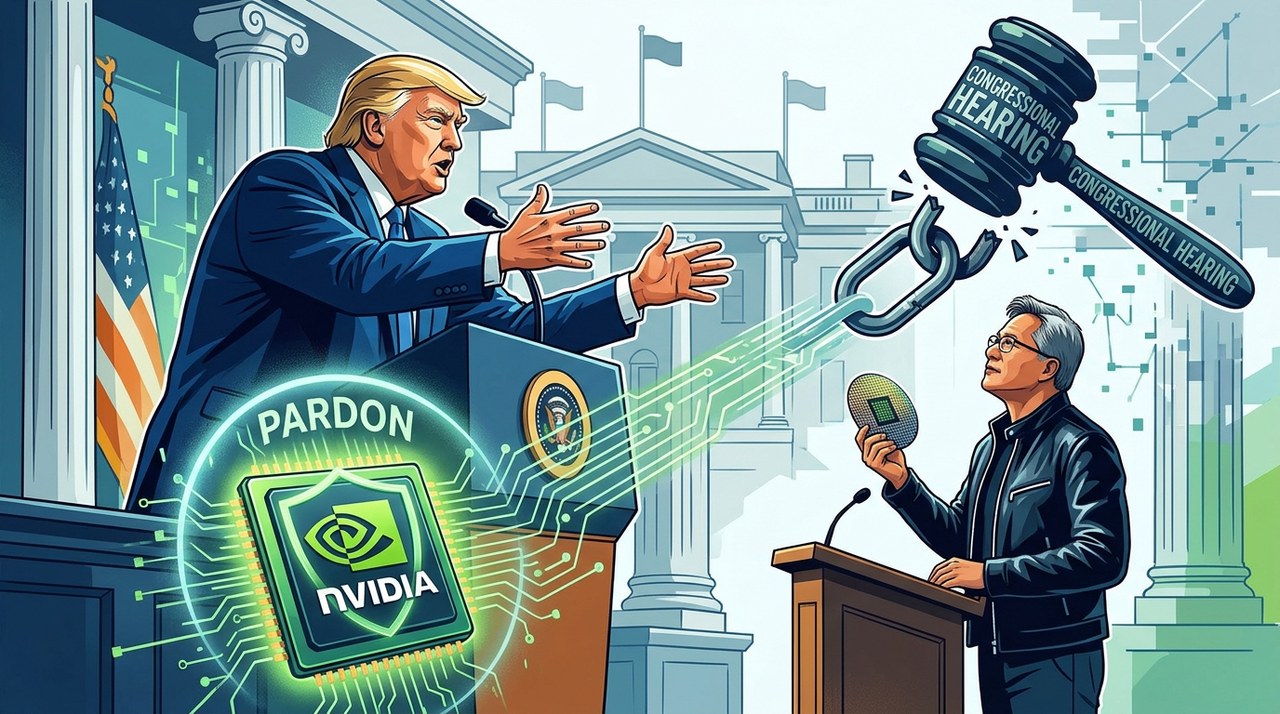
Trump Willing to Pardon Nvidia CEO Jensen Huang If Needed
Donald Trump stated he is willing to grant a presidential pardon to Nvidia CEO Jensen Huang, though he believes it won't be necessary, ahead of Huang's congressional hearing on chip export controls.