

Starknet Explores L1 Move for Quantum Defense by 2027
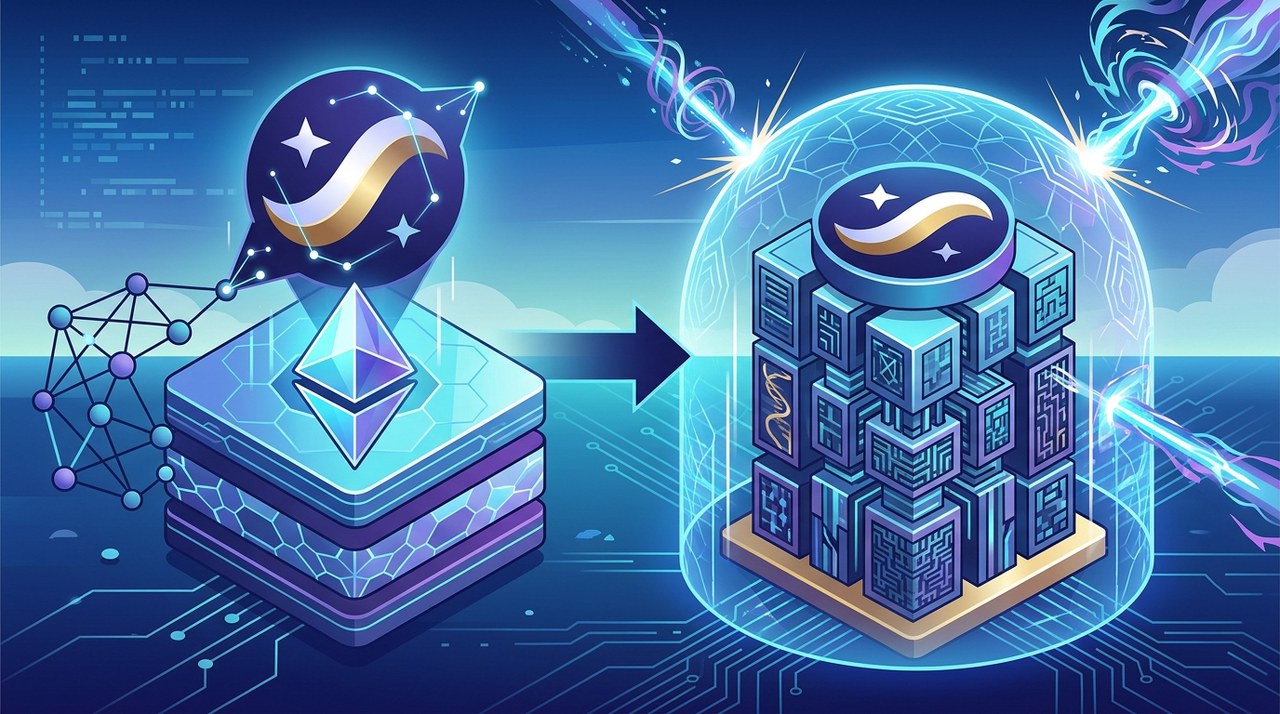
A Bold Strategic Pivot for Starknet
Starknet is actively considering a massive transformation in its core design. The network aims to transition from an EthereumETH-4.72% Layer 2 solution into a standalone Layer 1 blockchain by 2027.
The main goal behind this unexpected move is security. Starknet wants to build the crypto industry's very first fully quantum-resistant blockchain network.
Eli Ben-Sasson, the co-founder and CEO of StarkWare, shared that urgent threats require the network to enter what he calls bunker mode.
Understanding the Shift: What Are Layer 1 and Layer 2?
To understand why this decision is so big, let us look at how blockchains work today.
Think of a Layer 1 blockchain like a city's main power grid and road system. Examples include BitcoinBTC-1.49% and Ethereum. They process transactions and settle them directly on their own base network.
A Layer 2 network is like an express lane built on top of that main highway. Starknet currently operates as a Layer 2 network. It bundles hundreds of transactions together off-chain and posts a single proof back to Ethereum.
While Layer 2 networks make transactions faster and cheaper, they ultimately rely on the Layer 1 underneath them for final security.
The Quantum Threat: Why Go into 'Bunker Mode'?
So why would Starknet want to leave Ethereum's cozy protective blanket and become its own Layer 1? The answer comes down to supercomputers.
Quantum computers work completely differently from the regular laptops and servers we use today. They can perform complex calculations at unbelievable speeds.
Eli Ben-Sasson highlighted two specific threats that call for immediate action.
- The rapid development of quantum computing, which may arrive much faster than scientists previously expected.
- The risk that existing cryptographic standards used by major blockchains could be cracked by quantum machines.
Most modern blockchains, including Bitcoin and Ethereum, use elliptic curve cryptography to secure user wallets and signatures. A powerful quantum computer could theoretically break this math and steal funds.
Two threats call for bunker mode. The first is quantum computing, which may be much closer than expected.
How STARK Technology Fights Quantum Computers
Starknet already has a secret weapon in its name: STARK technology. STARKs stand for Scalable Transparent ARguments of Knowledge.
Unlike older zero-knowledge proof systems, STARK math does not rely on toxic waste setups or vulnerable cryptographic curves. It uses hash functions that are naturally resistant to quantum attacks.
However, as long as Starknet remains an L2 on Ethereum, it is still bound by Ethereum's base cryptography. If Ethereum's signature scheme were ever compromised by a quantum machine, Starknet would suffer too.
By becoming an independent Layer 1, Starknet can implement quantum-resistant security from the ground up across its entire architecture.
The Road to 2027: What Needs to Happen Next?
Transitioning a major network like Starknet to a standalone Layer 1 is no easy task. It requires complete redesigns of several core components.
- Designing a independent consensus mechanism to secure the network without relying on Ethereum.
- Building a decentralized validator set to replace centralized sequencers.
- Ensuring existing decentralized applications and token balances can migrate smoothly without user disruption.
The 2027 target date gives developers time to test and audit these deep technical changes thoroughly.
What Does This Mean for Crypto Users?
Is quantum computing going to break crypto tomorrow? Experts generally agree that practical quantum attacks are still years away.
However, upgrading foundational software takes years of careful work. Preparing now ensures that assets remain safe before quantum machines become practical threats.
It is worth keeping in mind that crypto networks face ongoing technical and market risks during major structural updates. Users should monitor updates as Starknet releases its detailed technical roadmap.
Looking Ahead
Starknet's proposal to become a quantum-resistant Layer 1 by 2027 marks a pivotal moment in blockchain security planning.
If successful, Starknet could set a new standard for post-quantum safety across the entire digital asset landscape.
Latest blog posts



Trump Defends WLFI Stake Amid Conflict Concerns
US President Donald Trump defended his family's involvement in World Liberty Financial, addressing questions about business interests and governance.
|

XRP Drops to $1.09 Following $40M Flash Liquidation
A sharp market turn forced nearly $40 million in long position liquidations, putting XRP near its key $1 support level.
|
Evan Luthra Recounts $2M Oxford Crypto Kidnapping
Crypto investor Evan Luthra reported being ambushed by five masked men in Oxford, losing over $2 million in crypto and a luxury watch.
|