South Korea Proposes Bank-Led Stablecoins and ICO Comeback
A Major Shift in South Korean Crypto Regulation
South Korea is preparing a significant update to its cryptocurrency regulatory landscape. Lawmakers have introduced a draft bill that could fundamentally change how digital assets operate across the country.
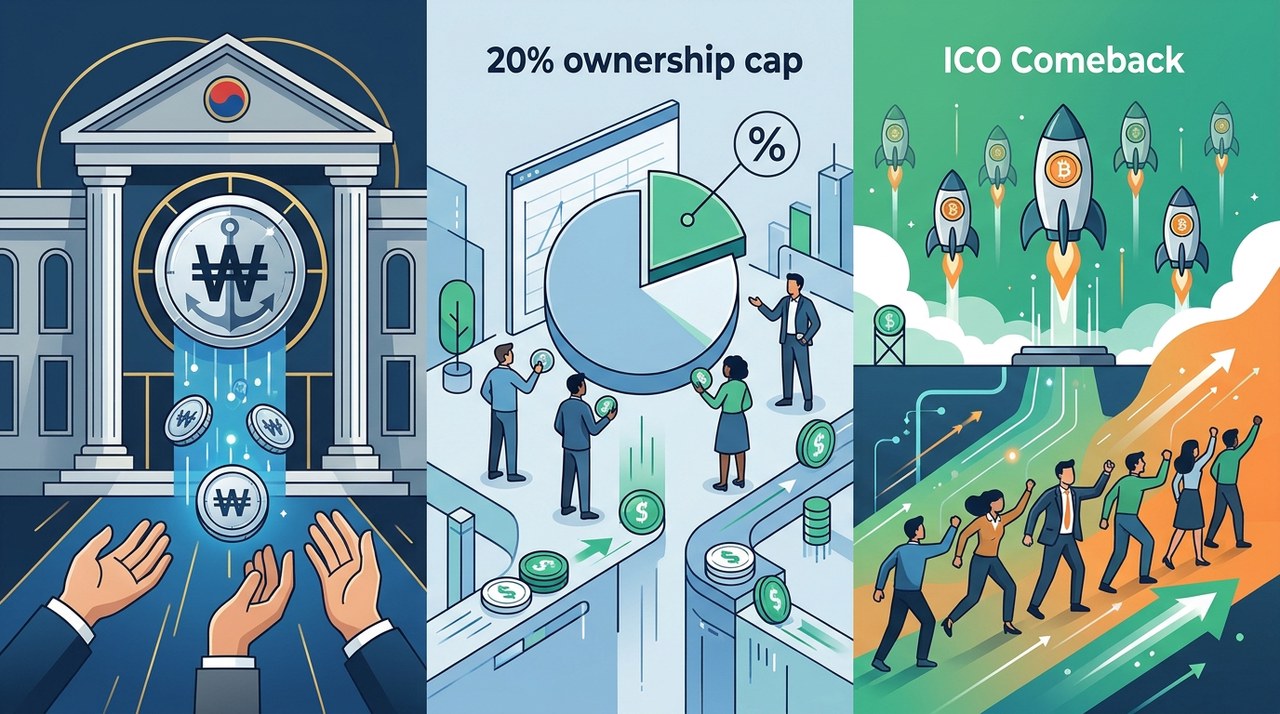
The proposed legislation focuses on several core areas. These include establishing bank-led stablecoins, capping ownership stakes in crypto exchanges at 20%, and bringing back domestic token sales.
For years, South Korea has maintained strict oversight over digital asset trading. This new bill represents a structured effort to balance market safety with technological innovation.
Understanding Bank-Led Stablecoins
Stablecoins are digital tokens designed to track the value of fiat currencies like the US Dollar or Korean Won. They allow users to transfer value quickly on blockchain networks without extreme price swings.
Under the new proposal, traditional commercial banks would take the lead in issuing stablecoins. This model aims to ground stablecoins in established banking infrastructure.
Having regulated banks issue stablecoins ensures that reserve backing is held in secure accounts. This setup helps reduce credit risks that were previously associated with algorithmic or unregulated private stablecoins.
However, bank participation might also mean stricter compliance requirements. Everyday users would likely undergo standard identity verification procedures before interacting with these bank-backed tokens.
Why Impose a 20% Cap on Exchange Ownership?
The draft bill introduces a 20% limit on ownership stakes in cryptocurrency exchanges. This rule restricts individual shareholders or corporate founders from holding dominant equity portions.
Regulators often use ownership caps in traditional financial institutions like stock exchanges and banks. The goal is to prevent single parties from exercising unchecked control over market infrastructure.
By spreading ownership across multiple stakeholders, lawmakers hope to enhance corporate governance and reduce potential conflicts of interest within domestic trading platforms.
If enacted, major crypto platforms in South Korea may need to adjust their ownership structures. Founders or dominant investors might be required to divest shares to meet the compliance limit.
Reopening Domestic ICOs After a Seven-Year Ban
In 2017, South Korea banned all domestic Initial Coin Offerings (ICOs). At the time, regulators acted to protect retail investors from unvetted project sales and widespread market speculation.
Because of the ban, local blockchain startups had to move abroad to raise funds. Many teams registered entities in overseas jurisdictions like Singapore or Switzerland while serving global audiences.
The new draft bill proposes ending this seven-year ban. Reopening domestic token launches allows local projects to raise funds natively within South Korea's regulated ecosystem.
This policy shift could help retain domestic engineering talent and encourage Web3 project development inside the country.
Mandatory Risk Disclosures for Token Issuers
Lifting the ICO ban comes with strict conditions. Token issuers will be required to disclose comprehensive project risks before accepting funds from prospective buyers.
These disclosure reports must outline essential information about the project before soliciting any public investment:
- Tokenomics details, including supply schedules and allocation breakdowns
- Technical audit reports covering smart contract security and functionality
- Background disclosures on core team members and company leadership
- Clear warnings regarding market volatility and potential financial loss
By enforcing mandatory risk disclosures, lawmakers aim to ensure buyers have access to verifiable project details before participating in token sales.
Analyzing Potential Market Scenarios
The long-term impact of this draft bill depends on how rules are implemented and how market participants respond. Here are three potential scenarios:
Positive Development Scenario: Clear frameworks attract institutional participation. Bank-backed stablecoins improve transaction reliability, while transparent ICO rules allow quality projects to flourish locally.
Cautious or Downside Scenario: Heavy regulatory compliance costs could burden early-stage startups. If global markets experience prolonged downturns, strict local rules may not completely shield investors from asset volatility.
Neutral Scenario: Legislative debates may lead to delays or modifications. Market conditions could remain relatively unchanged until final enforcement timelines are established.
Key Takeaways for Crypto Participants
South Korea's proposed legislation highlights a growing global trend toward integrated crypto regulation. By blending bank stability with structured token fundraising, regulators are building a safer environment for digital assets.
As with any legislative proposal, these draft rules must proceed through parliamentary discussions before becoming law. Readers should track official announcements to stay informed on regulatory developments.
Remember that cryptocurrency markets remain subject to rapid changes and price fluctuations. Always research projects thoroughly and carefully evaluate your personal risk tolerance before participating in digital asset markets.
Latest blog posts

Solana Validator Proposal Aims to Cut Wasted Processing
A new Solana developer proposal allows validators to stop processing discarded blocks, improving backend efficiency during peak network traffic.
|


XRP Ledger Payment Volume Spikes 370% After $1 Price Rebound
Network transfers on the XRP Ledger jumped over 370% to nearly 1 billion tokens following a brief price rally above $1.
|


Ansem's Wallet Dumps $2M as Meme Coin Drops 40%
A Solana meme coin linked to crypto influencer Ansem plunged over 40% following a massive $2 million token dump, triggering intense debates over security.
|