
South Korea Permits Emergency Crypto Withdrawal Freezes
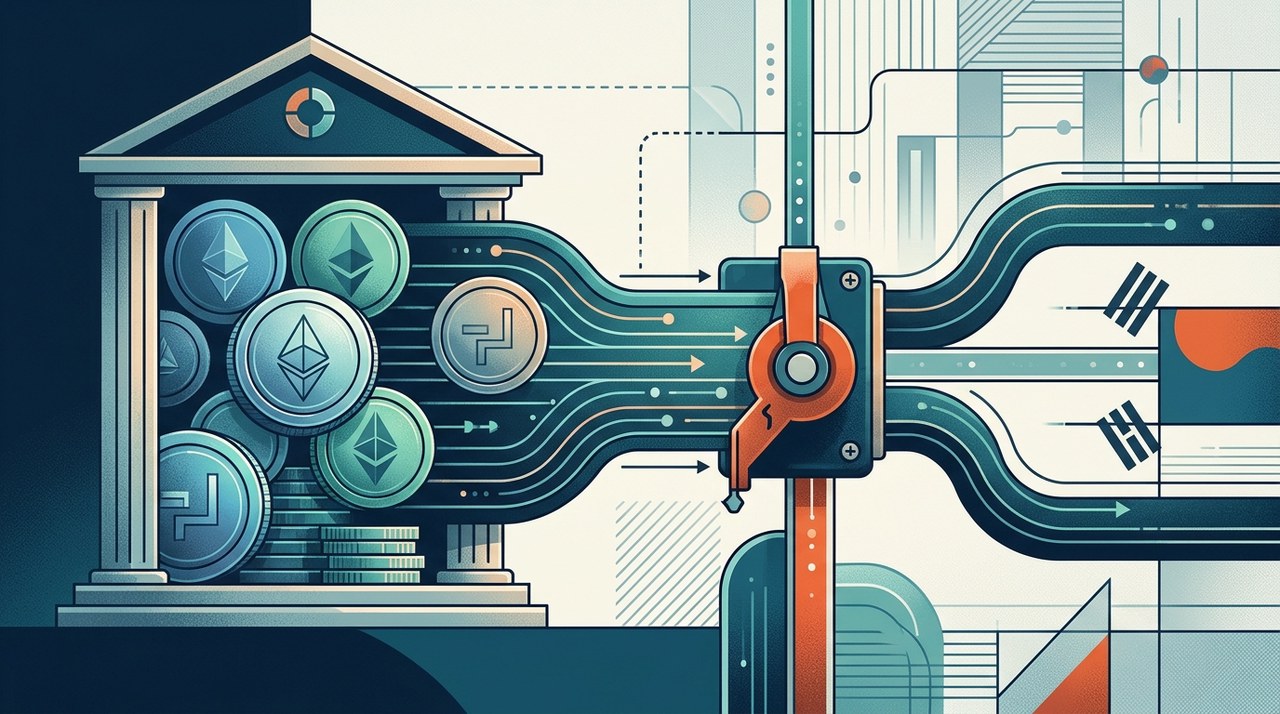
Emergency Brakes on Crypto Withdrawals
South Korean financial authorities are moving to allow cryptocurrency exchanges to temporarily freeze user withdrawals whenever severe cyberCYBER-8.57% threats or potential hacking attempts are detected.
Think of this measure like an emergency circuit breaker on a traditional financial network. If automated monitoring systems spot unauthorized access or unusual activity, an exchange can hit pause immediately. This brief pause helps stop stolen digital assets from being transferred off the platform before operators can fix the vulnerability.
Why South Korea Is Updating Its Security Policy
This policy update follows recent security incidents that highlighted the need for faster incident response tools across South Korea's digital asset sector.
One notable event involved GOPAX, a prominent South Korean cryptocurrency exchange. GOPAX carried out a precautionary suspension of its platform services after identifying potential security concerns, giving their technical teams time to audit systems safely.
Around the same period, another crypto trading platform named Prabang suffered a hot-wallet security breach. That cyber attack resulted in a loss of approximately $70,000.
While a $70,000 breach is smaller than major global exploits, it clearly illustrated how fast malicious actors can move funds out of online hot wallets if an exchange lacks clear legal framework to suspend outgoing transfers right away.
Hot Wallets vs. Cold Wallets: The Technical Background
To better understand why withdrawal freezes matter during cyber attacks, it helps to look at how centralized exchanges store user funds.
Understanding Crypto Storage Types
- Hot Wallets: These wallets are connected to the internet to process user transactions, deposits, and withdrawals quickly. Because they are online, they face a higher exposure to software exploits and cyber attacks.
- Cold Wallets: These storage devices remain completely offline. They offer stronger security against remote hacking attempts but cannot settle instant withdrawal requests automatically.
When a hot wallet gets compromised, hackers use automated scripts to drain funds instantly. Giving exchanges permission to freeze withdrawals fast reduces the damage while engineers transfer remaining funds into secure offline storage.
How Emergency Freezes Will Function in Practice
Under the new guidance, crypto exchanges in South Korea receive legal backing to implement temporary transfer holds during active security investigations.
Key operational aspects of the regulatory permission include:
- Rapid Intervention: Exchanges can pause outgoing asset transfers immediately upon recognizing systemic threats or unexpected network behavior.
- System Inspection Window: Technical personnel get crucial time to patch code vulnerabilities and review ledger integrity without watching funds flee.
- Regulatory Reporting Requirements: Operating platforms must notify oversight bodies and communicate transparently with affected account holders regarding service pauses.
Balancing Security Measures with User Access
While emergency freezes aim to protect customer assets, they also create practical considerations for active traders who rely on liquidity.
On the positive side, rapid account freezes mitigate massive fund drains during genuine security breaches. Conversely, traders may encounter occasional temporary delays if false security alarms trigger precautionary freezes.
To manage this balance, South Korean authorities are working to ensure exchanges follow clear operational procedures, preventing arbitrary suspensions while preserving rapid response options for genuine emergencies.
South Korea's Evolving Virtual Asset Landscape
South Korea remains one of the world's most active digital asset trading regions. As retail trading participation grows, regulators have introduced comprehensive measures under frameworks like the Virtual Asset User Protection Act.
Swift administrative actions during security threats help narrow the vulnerability gap between legacy bank protections and high-velocity crypto markets.
Key Takeaways for Crypto Market Participants
Here is a quick overview of what these regulatory updates mean for digital asset users:
- Improved Safeguards: Platforms gain clear authority to isolate hot wallet threats before large-scale loss occurs.
- Operational Suspensions: Platform users should expect brief, precautionary holds on transfers when security alerts trigger.
- Regulatory Compliance: Regulated exchanges will operate under stricter obligations to report safety pauses promptly to financial authorities.
As cybersecurity threats evolve across digital finance, South Korea's update offers a structured approach to safeguarding digital asset infrastructure.
Latest blog posts

BlackRock IBIT Leads 5-Day Streak of Bitcoin ETF Outflows
US spot Bitcoin ETFs saw $1.44 billion in total outflows over five consecutive days, primarily driven by redemptions from BlackRock's IBIT fund.
|
Judge Rules Novig Contracts Are Sports Betting
A federal judge ruled that Novig's sports contracts are sports betting, rejecting its attempt to block New York's gambling laws.

 +2
Kevin O'Leary Explains What Drives Crypto Market Crashes
Shark Tank star Kevin O'Leary highlights how regulatory uncertainty and compliance fears are delaying institutional adoption of crypto and stablecoins.
|