Senators Challenge CFTC Over Prediction Market Geoblocks
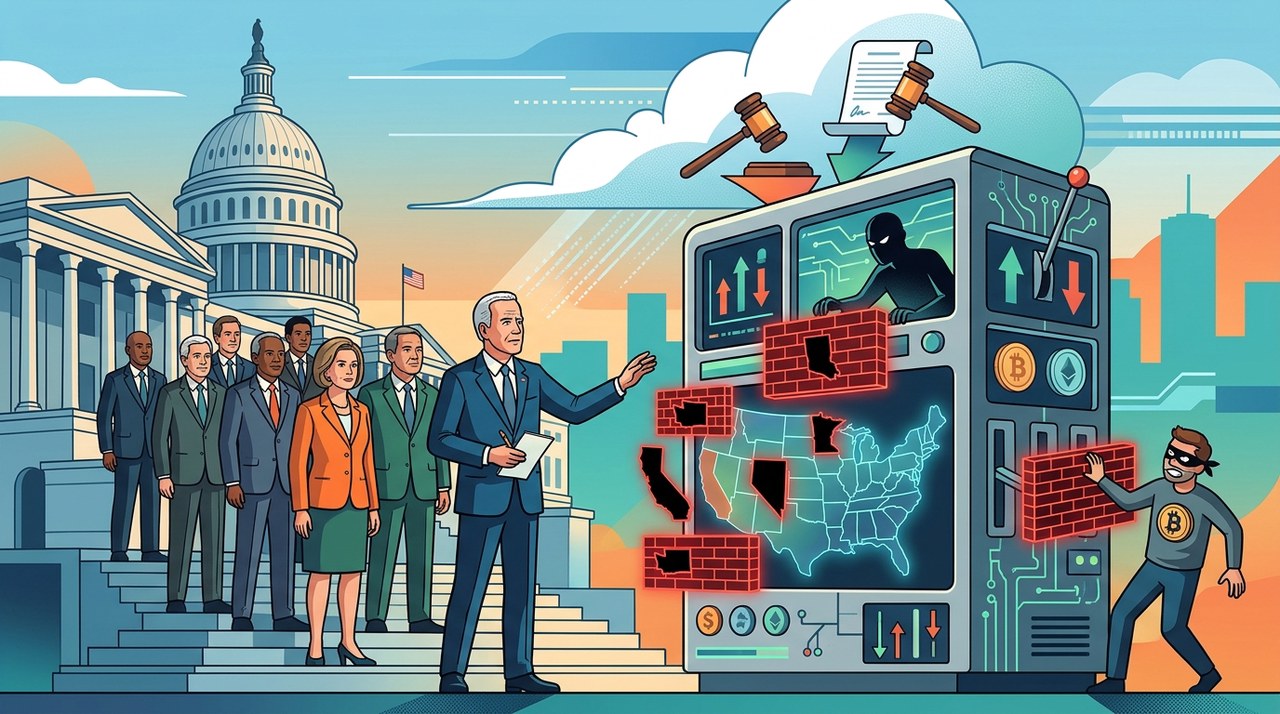
Nine Senators Challenge CFTC Order on Geoblocking
Nine Democratic senators have asked the Commodity Futures Trading Commission (CFTC) to withdraw or freeze a recent rule interpretation regarding geographic restrictions on prediction markets. The lawmakers argue that the agency's position directly conflicts with existing court orders.
Geoblocking acts as a digital fence. It prevents users in specific states or jurisdictions from accessing certain online products. On November 5, the CFTC directed financial exchanges to remove state-by-state location blocks within 30 days or justify their necessity, citing a mandate for impartial access to trading platforms.
Court Rulings and Timing Raise Major Concerns
The letter to CFTC Chairman Michael Selig was led by California Senator Adam Schiff. It was signed by every senator from California, Michigan, Nevada, and Washington, as well as Minnesota Senator Amy Klobuchar, the ranking member of the Senate Agriculture Committee.
The senators highlighted that courts have already ordered prediction platforms to stop offering certain contracts in Michigan, Nevada, Washington, and on tribal lands in California. By instructing exchanges to remove location limits, lawmakers contend the agency is encouraging platforms to violate court orders during ongoing lawsuits.
The Commission now appears to be encouraging prediction markets to offer prohibited contracts in contempt of these court orders during active litigation.
The timing of the order also drew sharp criticism. The CFTC released its directive just hours after a federal court in California required exchange operator Kalshi to geofence specific tribal lands. Lawmakers raised concerns that the regulator might be improperly coordinating with companies involved in active litigation.
The letter asks the CFTC to withdraw or pause the interpretation until court cases resolve. At minimum, the lawmakers want clear guidance that location blocks required by court orders, tribal-state compacts, or exchange safety rules do not break agency regulations. They also asked the agency to preserve related records back to January 1, 2025, and provide a formal response by November 23.
Federal Regulator Investigates Kalshi and Polymarket
The Congressional letter adds pressure to a sector already facing heavy regulatory scrutiny. According to reporting from Politico, the CFTC has been conducting separate investigations into the industry's two largest operators, Kalshi and Polymarket, for several months.
The investigation into Kalshi focuses on whether the exchange properly notified regulators before listing dozens of new event contracts. The CFTC recently issued a formal warning letter indicating potential charges, which could lead to a legal settlement. A Kalshi spokesperson stated the warning involves procedural matters concerning a handful of contracts, many of which were never active.
Meanwhile, the inquiry into Polymarket is broader. It partially relates to a 2022 settlement with the agency that required the firm to block residents of the United States from trading on its primary platform.
CFTC spokesperson Zach Fulton stated that the agency will pursue misconduct wherever it occurs. John Bivona, Kalshi's head of federal government relations, noted that the regulator is doing its job, while a Polymarket spokesperson stated the platform works with law enforcement to protect market integrity.
Bipartisan Pressure and Political Changes Ahead
Scrutiny over prediction platforms is spreading across party lines. Republican Representatives Adrian Smith of Nebraska and Blake Moore of Utah have introduced bills touching on the sector. Texas Senator Ted Cruz is also preparing legislation to restrict platforms from offering sports-related contracts without explicit state or tribal approval.
Political dynamics at the regulatory level are also shifting. The Senate Agriculture Committee set a November 17 confirmation hearing for two new CFTC nominees, Republican Nathan Anonick and Democrat Matthew Rowland. If confirmed, they will join Chairman Selig on the five-member panel.
State Courts Issue Direct Bans
Challenges for event contracts are also mounting at the state level. A Louisiana state judge recently issued an order temporarily barring Kalshi, Polymarket U.S., Robinhood, Coinbase, and other market providers from operating prediction services within the state.
As federal regulators, state judges, and members of Congress increase their oversight, the legal framework governing prediction markets remains subject to ongoing legal and legislative challenges.
Latest blog posts
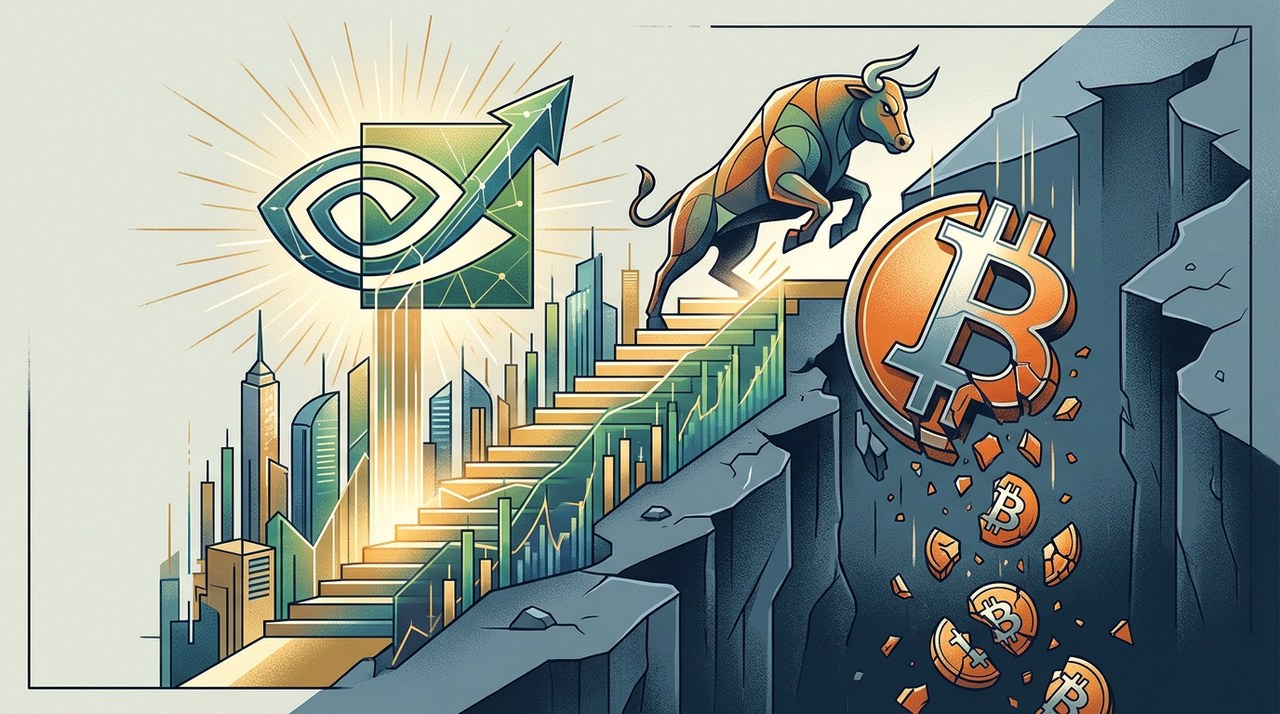


Bitcoin Drops Below $60K Despite Record Stock Market Rally
Bitcoin slipped below $60,000 on Tuesday as high leverage triggered $850 million in liquidations, completely erasing gains from Nvidia's historic stock surge.
|
 +1
Why Bitcoin's Nvidia Rally Faded: Wall Street ETF Data
Bitcoin briefly rose alongside Nvidia stock before dropping again. US spot crypto ETF data shows big investors sold $650 million during the spike.
|
Bitcoin ETFs Face Outflows as BlackRock IBIT Shares Rise
BlackRock's IBIT gained 4.85% on Monday despite overall U.S. spot Bitcoin ETF outflows reaching $4.71 billion in November.
|