SEC Gives Molecule Green Light for Research Tokens
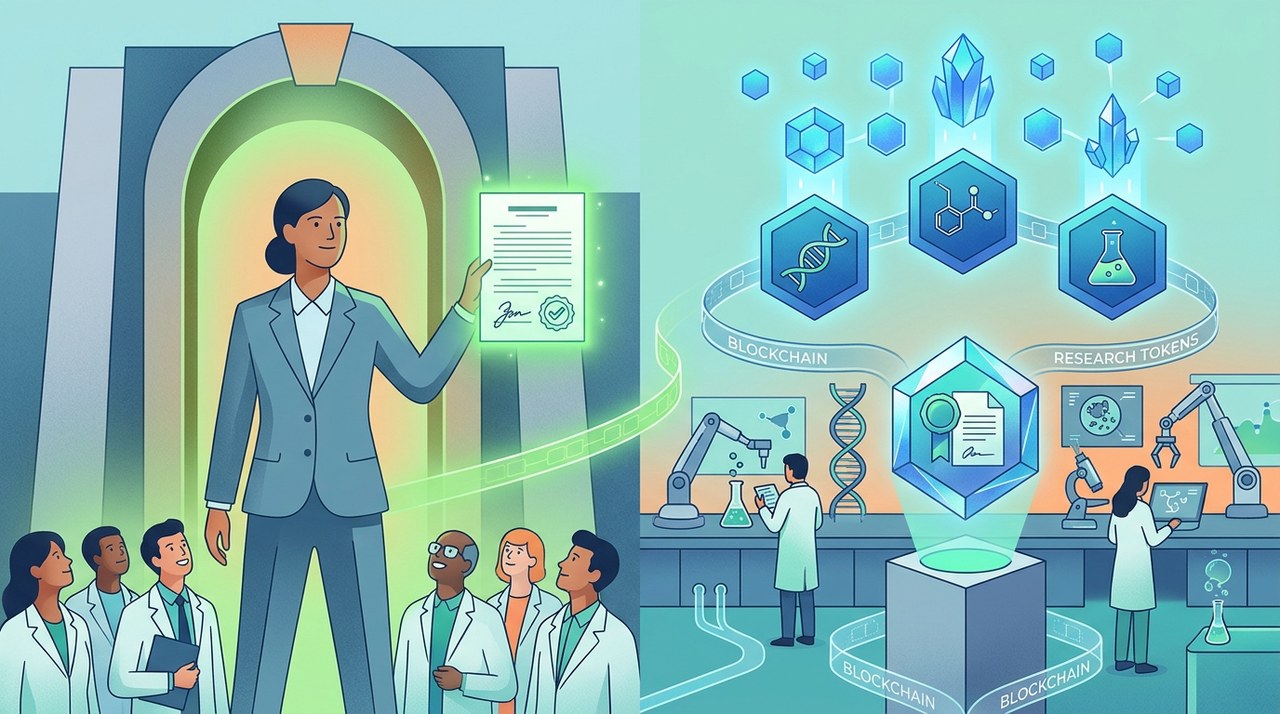
A Major Regulatory Breakthrough for Decentralized Science
The U.S. Securities and Exchange Commission staff issued a official no-action relief letter to Molecule.
This decision means SEC staff will not recommend enforcement action against the platform for its utility tokens.
Molecule uses these tokens to help researchers raise funds for scientific and medical projects.
The news marks an important milestone for the growing Decentralized Science sector, often called DeSci.
What Exactly is Molecule and DeSci?
Molecule is a Web3 platform designed to transform how scientific research gets funded and shared.
In traditional science, getting research grants can take months or even years.
Many promising medical discoveries never leave the laboratory due to lack of early funding.
DeSci solves this problem by using blockchain technology to connect scientists directly with global supporters.
How Intellectual Property NFTs Work
Molecule pioneered the concept of Intellectual Property Non-Fungible Tokens, known as IP-NFTs.
These digital tokens represent legal rights to early-stage scientific research and patents.
Communities form specialized decentralized organizations called BioDAOs to manage and fund these projects together.
Understanding SEC No-Action Relief
Legal terms in the crypto space can sound confusing, but the concept is straightforward.
A no-action letter is a response from SEC staff to a company request.
The staff confirms they will not recommend regulatory action if the company operates under specified conditions.
- It provides regulatory clarity for the specific business structure.
- It reduces the risk of sudden lawsuits for token creators.
- It offers a potential framework for other scientific Web3 projects.
Why Utility Tokens Matter for Research Funding
Regulatory agencies closely examine whether crypto tokens act like financial securities.
Molecule structured its tokens purely around real functional utility within its research ecosystem.
Token holders use them to support projects, participate in governance, and access scientific data.
This clear utility focus helped persuade regulators that the tokens were not investment contracts.
The Growing Importance of Web3 Compliance
Navigating regulatory rules in the United States has been challenging for many Web3 builders.
This relief letter demonstrates that clear communication with regulators can yield positive results.
It sets a encouraging example for blockchain projects that focus on real-world practical applications.
Risks and Important Market Factors to Consider
While this regulatory update is positive news, scientific research carries natural uncertainties.
Early-stage drug development has high failure rates regardless of the funding model used.
Digital asset markets can also experience significant short-term price volatility.
Past performance of digital assets or Web3 platforms is not an indicator of future results.
Supporters should always carefully evaluate risks before participating in decentralized science ecosystems.
Looking Ahead: What Comes Next for DeSci?
Molecule's green light could encourage traditional universities and research labs to explore Web3 tooling.
Clearer legal guidelines help build trust between institutional scientists and crypto communities.
As compliance frameworks mature, decentralized science may become a standard path for funding innovation.
Latest blog posts

US DOJ Targets Crypto Scams in Historic Sweep
The US Department of Justice has charged over 800 defendants in a massive global campaign against international crypto investment fraud.



Ethereum Foundation: AI Is a More Urgent Threat Than Quantum
The Ethereum Foundation highlights that artificial intelligence poses a more immediate risk to blockchain security than future quantum computing capabilities.
|
 +2
Fidelity Adds LINK, AAVE, and UNI to Retail Crypto Platform
Fidelity Investments has added Chainlink, Aave, and Uniswap to its U.S. retail trading platform, bringing its total supported cryptocurrencies to eight.
|