SEC Charges 8 Firms Over $37M Fake Crypto Platform Fraud

SEC Targets Fraudulent Crypto Networks
The U.S. Securities and Exchange Commission (SEC) has taken major legal action against eight entities. These companies allegedly operated fraudulent cryptocurrency platforms that defrauded U.S. investors out of approximately $37 million.
Regulatory authorities revealed that the operators used a combination of social media marketing, high-pressure chat groups, and fake legal paperwork to deceive victims. Let's break down how this scheme operated and what it means for everyday crypto users.
How the Alleged $37 Million Scam Worked
Fraud in the digital asset space often relies on psychological manipulation rather than complex technology. In this case, the perpetrators relied on three key tactics to trap unsuspecting investors.
1. Social Media Advertisements
The fraudsters created misleading online advertisements across popular social media channels. These ads frequently promoted unrealistically high investment returns or exclusive access to automated trading tools.
2. Private Messaging Groups
Once victims clicked on the ads, promoters encouraged them to join private chat groups on apps like WhatsApp or Telegram. Inside these rooms, self-proclaimed investment experts shared fabricated profit screenshots to build false credibility.
3. Forged SEC Filings
To appear legitimate, the organizers went a step further by forging official regulatory filings. They presented fake documents claiming SEC registration, tricking victims into believing their deposits were fully protected by law.
The Mechanics of Fake Crypto Trading Platforms
A core element of this scam involved custom-built fake trading interfaces. Victims were instructed to register accounts on specific websites or custom mobile apps.
These fraudulent dashboards displayed artificial balance gains and simulated successful trades. Investors were led to believe their portfolios were growing steadily. However, when users attempted to cash out, the operators demanded unexpected exit fees or blocked account access entirely.
Details of the SEC Enforcement Action
The SEC filed formal charges against eight distinct entities involved in these scheme networks. The regulator is pursuing permanent injunctions, disgorgement of ill-gotten funds, and financial civil penalties.
This case highlights how international and domestic fraudulent setups can target retail investors under the guise of innovative trading platforms.
Red Flags to Spot Crypto Scams
While legitimate cryptocurrency technologies offer exciting opportunities, investors must stay vigilant against common red flags:
- Guaranteed Returns: No legitimate trading platform or market analyst can guarantee consistent profits.
- Unsolicited Group Invites: Be skeptical of random invitations to exclusive investment groups on social media.
- High Pressure Tactics: Scammers often push users to act quickly to stop them from conducting independent research.
- Fake Regulatory Seals: Always double-check registration claims directly on official government websites.
How to Protect Yourself and Verify Platforms
Protecting your capital requires taking independent verification steps before depositing funds onto any service:
- Search regulatory registries directly, such as the U.S. SEC EDGAR database or local regulators.
- Research independent user reviews and verify when the domain name was registered.
- Never trust official-looking certificates sent by representatives over chat apps without official confirmation.
- Remember that digital asset markets carry risks and high price volatility, so thorough research is essential.
Final Takeaways
The SEC action against these eight firms serves as a stark reminder of the risks present in unverified online platforms. By staying informed, verifying claims independently, and questioning high-yield promises, investors can protect themselves from fraudulent schemes.
Latest blog posts
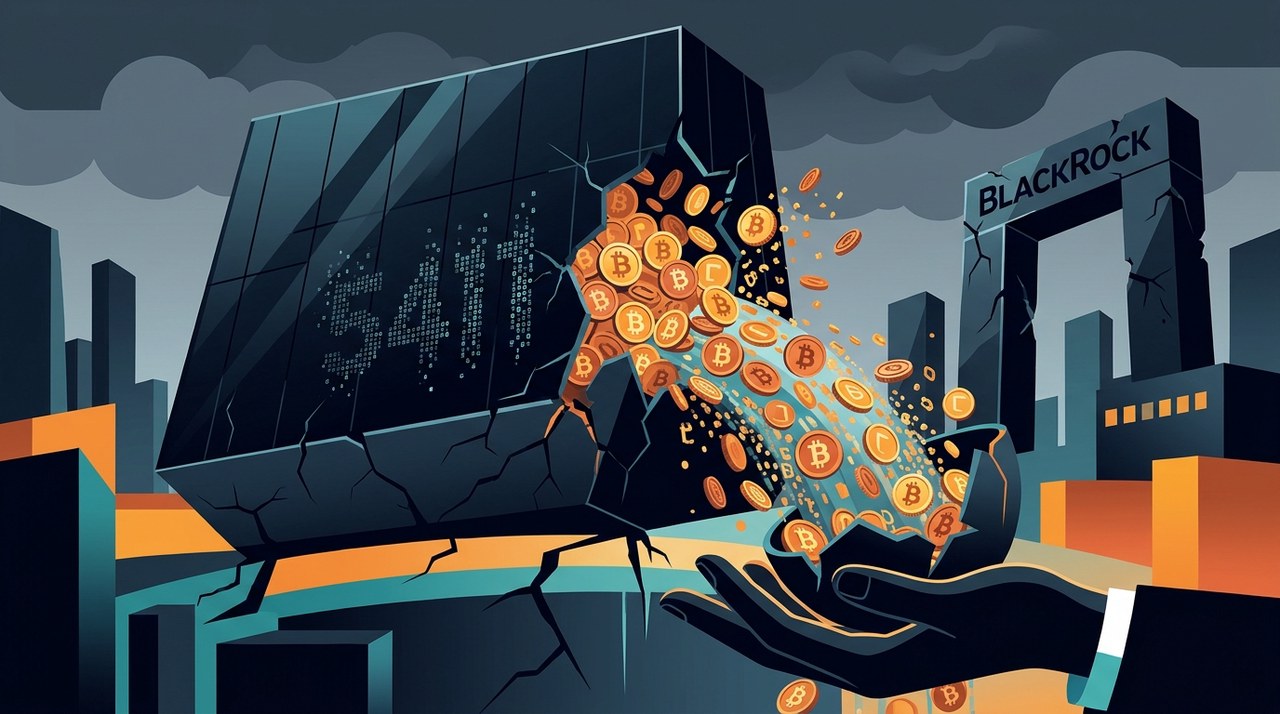

BlackRock Bitcoin ETF Sees Record $541M Outflow
BlackRock's IBIT spot Bitcoin ETF recorded its largest daily outflow of $541 million as crypto prices pulled back during a broader market sell-off.
|
Worse Than 2008? Peter Schiff Warns of Major Market Crash
Economist Peter Schiff warns that a major economic downturn could impact stocks, real estate, and crypto more severely than the 2008 financial crisis.
|
BlackRock Bitcoin ETF Sees Record $541 Million Outflow
BlackRock's IBIT Bitcoin ETF experienced its largest single-day outflow of $541.1 million on November 19, leading broader monthly redemptions across U.S. spot products.
|