
SBI and SMFG Launch Joint Solana Venture in Japan

Japan's Banking Powerhouses Step Into SolanaSOL-3.80%'s Ecosystem
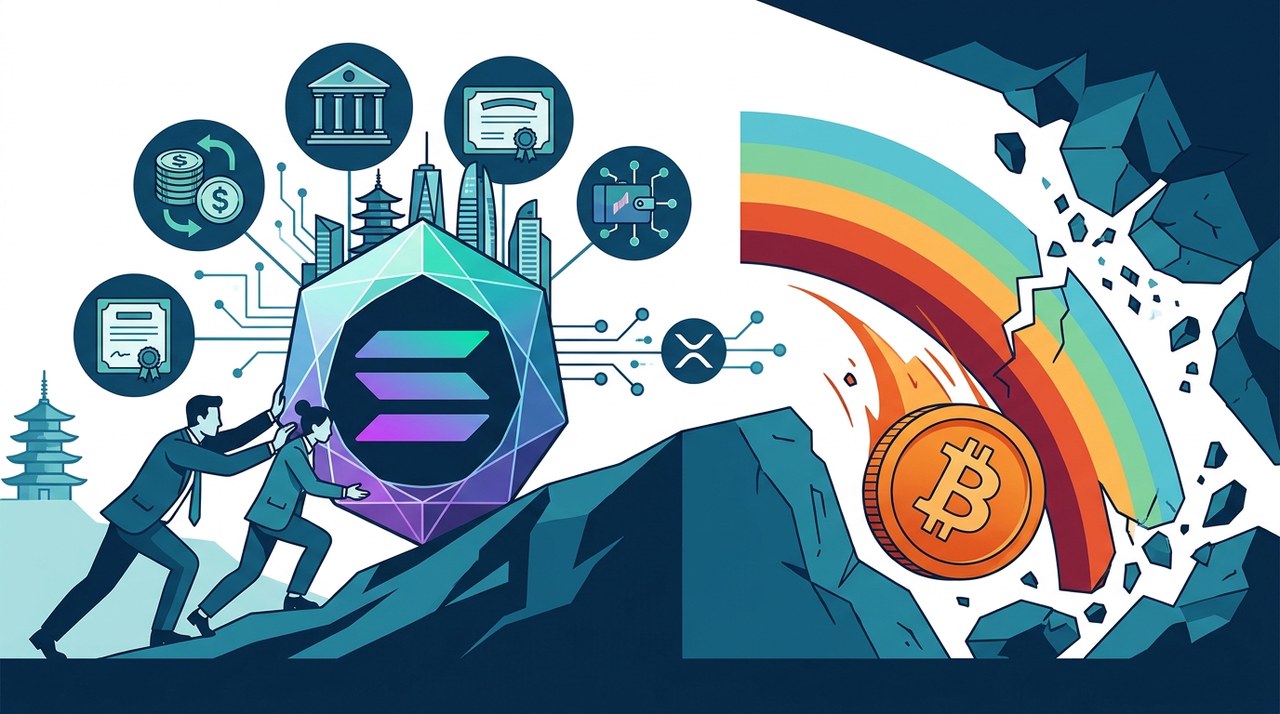
Two of Japan's largest financial institutions are taking a major step into public blockchain infrastructure. SBI Holdings and Sumitomo Mitsui Financial Group, commonly known as SMFG, have officially launched full operations for their joint venture, SBI Solana Global.
The project is built in direct partnership with the Solana Foundation. Together, SBI and SMFG manage a massive combined asset base of $2.3 trillion and serve more than 80 million retail and institutional clients.
The new operating entity previously functioned under the name SBI R3 Japan. By restructuring and renaming the entity to SBI Solana Global, the groups are explicitly aligning their digital strategy with Solana's high-speed blockchain architecture.
Bridging Traditional Banking and High-Speed Blockchain Networks
Traditional financial operations often face friction, such as high transaction fees and settlement delays. The primary goal of SBI Solana Global is to connect conventional banking and capital market practices with scalable blockchain rails.
By picking Solana, the financial groups aim to capitalize on low transaction costs and rapid processing times. This initiative aligns with Japan's broader regulatory framework supporting the adoption of stablecoins and tokenized securities.
Four Business Pillars of SBI Solana Global
The joint venture has outlined four core business areas aimed at modernizing banking, investment, and digital asset management.
1. Stablecoin Payment Infrastructure
The first pillar focuses on building stablecoin payment networks for domestic transfers and cross-border transactions. In addition, the system is designed to support micropayments operated by autonomous artificial intelligence (AI) agents.
2. Tokenized Financial Securities
The company plans to convert traditional financial instruments into digital tokens. This includes corporate bonds, investment fund units, and loan receivables. Tokenization makes issuing and distributing securities simpler while potentially improving liquidity for investors.
3. Digitizing Real-World Assets (RWAs)
Another core area involves bringing real-world assets onto the blockchain. By tokenizing commodities and ownership rights, the initiative aims to increase transparency, streamline verification, and enable precise digital recordkeeping.
4. Onchain Asset Management
The venture is also working on asset management services that integrate stablecoins directly with tokenized investments. This setup creates an interconnected environment where payments and portfolio management occur on the same network.
Expansion Strategy: From Japan to Broader Asian Markets
SBI Solana Global plans to establish and test its commercial applications within Japan before extending operations across Asia. Over time, the goal is to connect these services to global capital markets.
The collaboration links Solana's technical capabilities with the distribution channels, institutional trust, and extensive banking networks of SBI and SMFG.
Institutional Adoption and Risk Factors
Major financial institutions joining public blockchain networks reflects a growing interest in tokenization. However, integrating traditional finance with decentralized infrastructure carries regulatory, technical, and market volatility risks.
Investors evaluating digital assets should review market dynamics carefully. Past performance of digital assets is not an indicator of future results. You can check current market data for SOL on Bitkub SOL Market.
Latest blog posts



Ethereum Prioritizes Security as Markets Face AI Concerns
Crypto majors and AI stocks pulled back as Ethereum developers accelerated network security plans to tackle emerging AI and quantum threats.
| +2
SBI Launches Solana Push as Bitcoin Falls Below Rainbow Chart
Japanese financial giants SBI and SMFG have joined forces with Solana, while Bitcoin trades near $58,580 amid six days of ETF outflows.
|
French Senate Rejects Mandatory Self-Custody Wallet Plan
The French Senate has voted down a proposed tax rule requiring crypto holders to declare their personal self-custody wallet addresses.
|