


Samsung Wallet Integrates Solana USDC for US Users
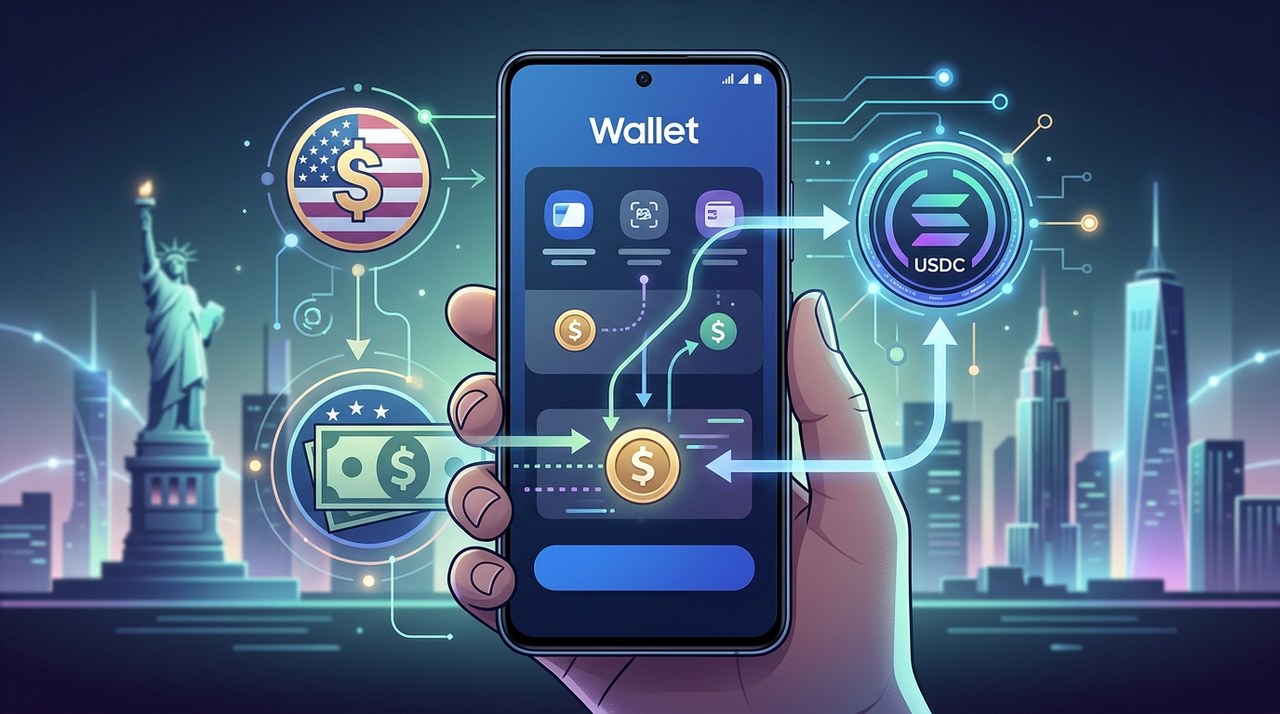
Samsung Brings SolanaSOL+2.61% USDCUSDC-0.12% Directly to Samsung Wallet
South Korean tech giant Samsung is taking a major step forward in making cryptocurrency transfers accessible to everyday smartphone owners. The company announced that US-based Samsung Galaxy users will soon be able to transfer USD Coin (USDC) on the Solana blockchain network directly inside the native Samsung Wallet application.
Instead of forcing users to navigate complex Web3 setups, Samsung is embedding these blockchain features into the hardware ecosystem millions already use daily. This integration seeks to bridge the gap between traditional fiat banking and digital currencies by streamlining the path to holding and transferring crypto assets.
Key Features of the New Integration
The latest addition to Samsung Wallet brings several distinct features designed to simplify digital payment experiences:
- Native Wallet Access: Users will not need to install standalone third-party Web3 apps or browser extensions to manage USDC on Solana.
- Fiat On-Ramps: Galaxy owners can directly purchase USDC using traditional currency, such as US dollars, from their linked bank accounts or debit cards.
- Fiat Off-Ramps: Users can easily convert their USDC back into traditional fiat currency and cash out directly through the app.
- Solana Network Support: Transactions are processed on the Solana blockchain, which is designed for rapid confirmation times and minimal transaction fees.
Understanding USDC and Solana in Simple Terms
To better understand why this partnership is noteworthy, it helps to break down the two main technological components involved: USDC and the Solana network.
What is USDC?
USD Coin (USDC), managed by Circle, is a fully reserved stablecoin tied to the value of the US dollar. Think of USDC like a digital dollar bill or a casino chip that is always worth one dollar. Unlike traditional cryptocurrencies like BitcoinBTC+0.52% or EthereumETH+0.47%, which experience significant price swings, USDC is intended to maintain a consistent value of $1.00 USD. This makes it ideal for everyday payments, digital payroll, and fast international money transfers.
Why Use the Solana Blockchain?
A blockchain network acts like a digital highway that processes transactions. Some highways are slow and charge expensive tolls, while others are built for speed and low cost. Solana is widely recognized for its fast processing capacity and very low network transaction fees (often fraction of a cent per transfer).
By selecting Solana for USDC transfers, Samsung ensures that Galaxy users do not have to pay heavy network transaction fees when sending payments to friends or transferring funds between accounts.
What Are Fiat On-Ramps and Off-Ramps?
One of the largest pain points for new crypto users has been moving money back and forth between regular bank accounts and blockchain networks. This process uses terms called 'on-ramps' and 'off-ramps.'
A fiat on-ramp works like an exchange counter at an airport: you give the platform traditional money (like US dollars from your bank account), and it gives you digital assets (like USDC) in return. A fiat off-ramp does the exact opposite: you exchange your digital assets back into cash deposited into your bank account.
By embedding both on-ramps and off-ramps directly into Samsung Wallet, users no longer need to transfer funds out to external centralized cryptocurrency exchanges just to liquidate their holdings or top up their digital balances.
Why Smartphone Integration Matters for Mainstream Crypto Adoption
For years, using cryptocurrency required significant technical knowledge. Users had to set up complex 12- or 24-word recovery phrases, manually add customized token contracts, and manage high-risk web extensions.
When major device manufacturers like Samsung integrate crypto assets directly into built-in wallet software, it strips away technical barriers. Users gain the protection of device-level hardware security—such as Samsung Knox and biometric hardware verification (fingerprints and facial recognition)—making the user experience feel as safe and simple as Apple Pay or Google Pay.
Risks and Important Considerations for Users
While native wallet features offer convenience, digital assets still come with important risk factors that every user should keep in mind before participating:
- Network Availability Risks: Blockchain networks, including Solana, can occasionally experience technical outages or heavy congestion that slows down transfer processing.
- Stablecoin Risks: Although USDC is backed by dollar-denominated reserves, stablecoins remain subject to regulatory developments, liquidity fluctuations, and counterparty operational risks.
- Security Best Practices: Even with hardware protection like Samsung Knox, users must maintain good cybersecurity practices, such as securing their Samsung account with strong passwords and enabling two-factor authentication.
Past performance of digital assets or operating platforms is not indicative of future performance. Always evaluate your own risk tolerance before holding or transacting in digital assets.
To monitor live market developments and historical performance for crypto assets, you can review details on platforms like Bitkub Market.
Looking Ahead: What Galaxy Users Can Expect
This feature roll-out initially focuses on US Galaxy owners, offering a streamlined way to explore stablecoin transfers. As Samsung continues to build out Web3 capabilities, similar blockchain functionality may eventually expand to additional geographical markets and support further decentralized payment standards.
For now, the integration represents a clear sign that traditional tech giants view stablecoins as a key component of future mobile payment solutions.
Latest blog posts


MoldyRoost Ads Target iPhone Crypto Wallets
A malicious ad campaign named MoldyRoost used over 480 domains across 47 countries to steal crypto seed phrases from vulnerable iPhones.
|
Bitcoin Spot ETFs See $1.8B Outflow in Single Week
US spot Bitcoin ETFs recorded $1.8 billion in weekly outflows, pushing total November redemptions to $4.14 billion as institutional sentiment cools.
|

Has XRP Found Price Bottom Near $0.90 Support?
XRP is holding near $0.90 after testing support three times, but broader market risks mean a recovery is far from guaranteed.
|