


Samsung Wallet Brings USDC to 82 Million US Galaxy Devices
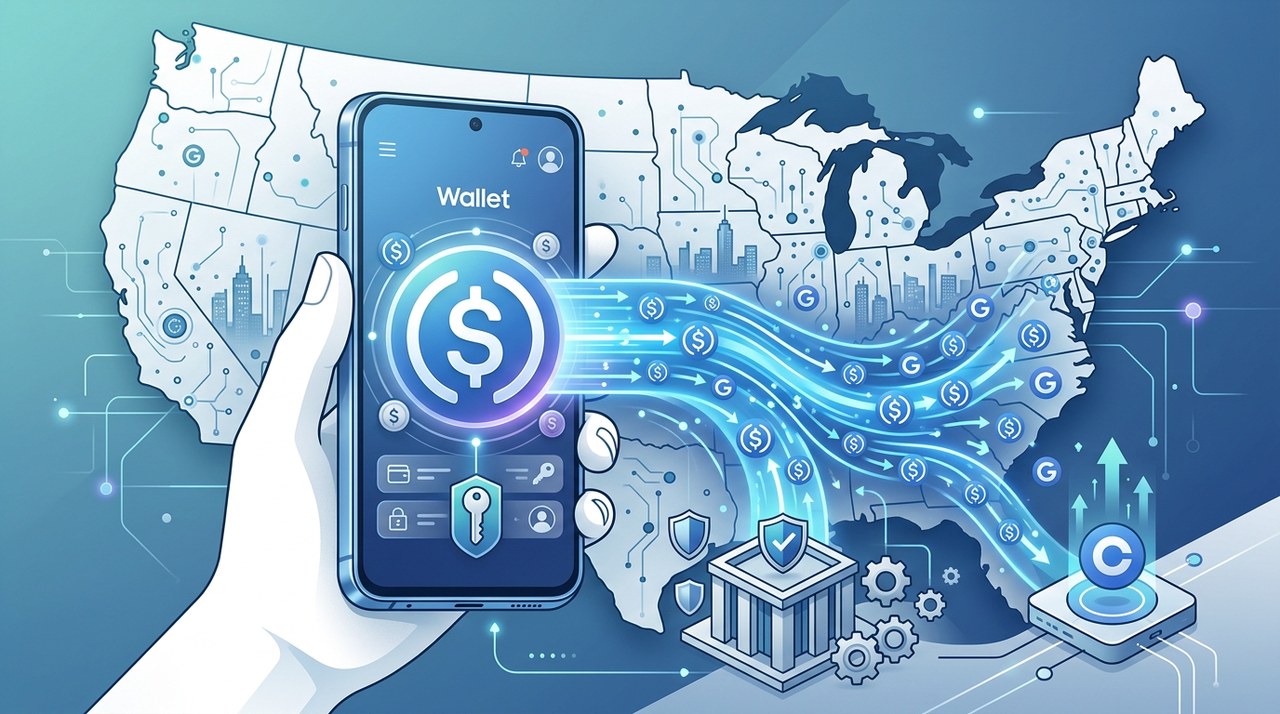
A Major Upgrade for Galaxy Users in the United States
Imagine being able to send money across borders directly from your smartphone's built-in digital wallet without ever having to download a third-party crypto app. Starting in the final week of October, Samsung is bringing that convenience to roughly 82 million eligible Galaxy devices in the United States by adding support for the USDCUSDC+0.09% stablecoin.
Before using the feature, users must complete standard identity verification (KYC) checks. It is also important to note that the 82 million figure represents the total number of compatible Galaxy devices in the US, rather than the exact number of people who will activate or use the service.
Who Is Operating the USDC Service Inside Samsung Wallet?
When the feature was announced, Coinbase described it as being powered by Coinbase, a point highlighted publicly by Coinbase Chief Executive Officer Brian Armstrong. However, Samsung's official announcement reveals a more detailed, multi-layered custody and infrastructure arrangement.
The operational backbone of the account system is managed by Bastion. Bastion is a licensed custodian that provides payment infrastructure and safeguards stablecoin holdings for institutional clients. The firm holds a prestigious New York trust charter and is backed by prominent venture capital firms including Andreessen Horowitz and Coinbase Ventures.
Under this partnership structure, Bastion acts as the primary custodian responsible for user accounts, while Coinbase serves as a sub-custodian. In practice, Bastion entrusts the actual USDC tokens to Coinbase, which stores them securely inside its institutional-grade Prime Vault.
Blockchain Networks and International Money Transfers
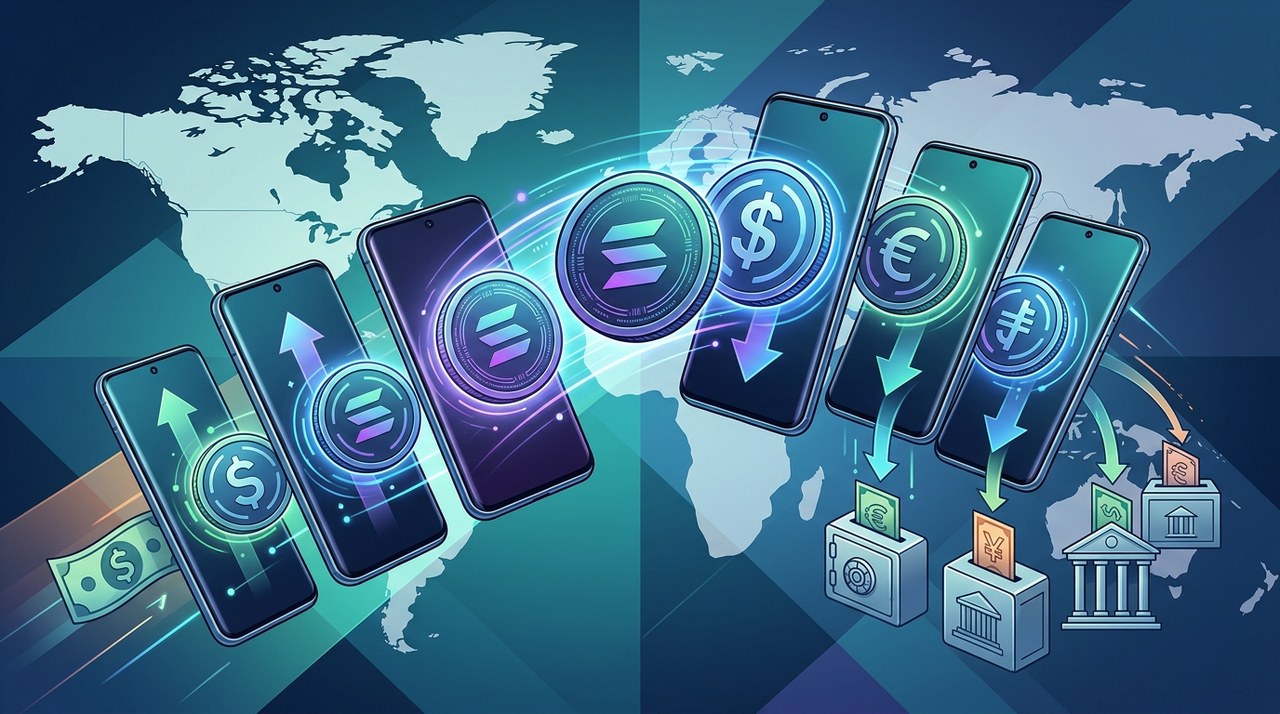
There was also news regarding which blockchain network will handle the underlying transactions. SolanaSOL-2.94% announced that USDC transfers on Samsung Wallet will run over its blockchain. However, Samsung clarified that it is collaborating with multiple infrastructure providers, explicitly naming both Solana and SuiSUI-0.91% alongside other technical partners.
With this new integration, Samsung Wallet users in the US can transfer USDC directly to external crypto wallets located around the globe without paying any service fees to Samsung.
In addition to wallet-to-wallet transfers, users can move funds directly into traditional bank accounts in more than 60 countries. When sending money to a foreign bank account, the recipient receives the funds settled in their local currency.
"We're bringing USDC transfers into Samsung Wallet so eligible Galaxy users can get started without installing another app." — Woncheol Chai, Head of Samsung's Digital Wallet Team
Can Stablecoins Beat Traditional Banks on Remittance Costs?
Sending money internationally through traditional banks can be expensive and slow, but whether stablecoins offer a clear cost advantage remains a nuanced question. Samsung acknowledged that traditional international bank fees vary widely depending on the destination country and the total amount transferred.
A study conducted by the Bank of Italy revealed that stablecoin remittance costs can sometimes reach up to 9%, meaning digital assets do not automatically guarantee lower costs than conventional bank channels. While stablecoins offer near-instant transaction speeds, users should stay mindful of potential currency conversion spreads and underlying blockchain network fees.
Samsung has maintained a cautious and selective approach to crypto partnerships in the past. Back in July, the tech giant publicly rejected partnership claims made by the backers of Open USD.
Looking Ahead: What This Means for Smartphone Wallets
For the initial launch, the Samsung Wallet stablecoin feature focuses strictly on international money transfers. Samsung stated that in-store tap-to-pay functionality using stablecoins remains a potential goal for future updates rather than an immediate feature.
By comparison, major competitor Apple has not announced any plans to introduce stablecoin support for Apple Pay.
From a broader financial perspective, memory chips designed for artificial intelligence (AI) continue to serve as the primary driver of Samsung's third-quarter earnings. Nevertheless, embedding stablecoin capabilities directly into default phone software represents a significant step toward bringing digital assets into everyday mainstream technology. If American consumers embrace the convenience, rival smartphone manufacturers may feel increased pressure to introduce similar features.
Latest blog posts

 +2
+2Samsung Adds Solana USDC Payments to 82 Million Phones
Samsung is launching Solana-based USDC cross-border payment features in Samsung Wallet for 82 million U.S. Galaxy devices.
|
Standard Chartered Expands Crypto Custody to Singapore
Standard Chartered is extending its institutional crypto custody footprint into Singapore, adding to existing services in the UAE, Luxembourg, and Hong Kong.

US Bitcoin ETFs Lose $485M in Biggest Outflow Since June
US spot Bitcoin ETFs recorded a massive $485 million outflow in a single day, while Ethereum funds faced seven consecutive days of withdrawals.
|