Russia's Digital Ruble Accounts Top 220K in First Month
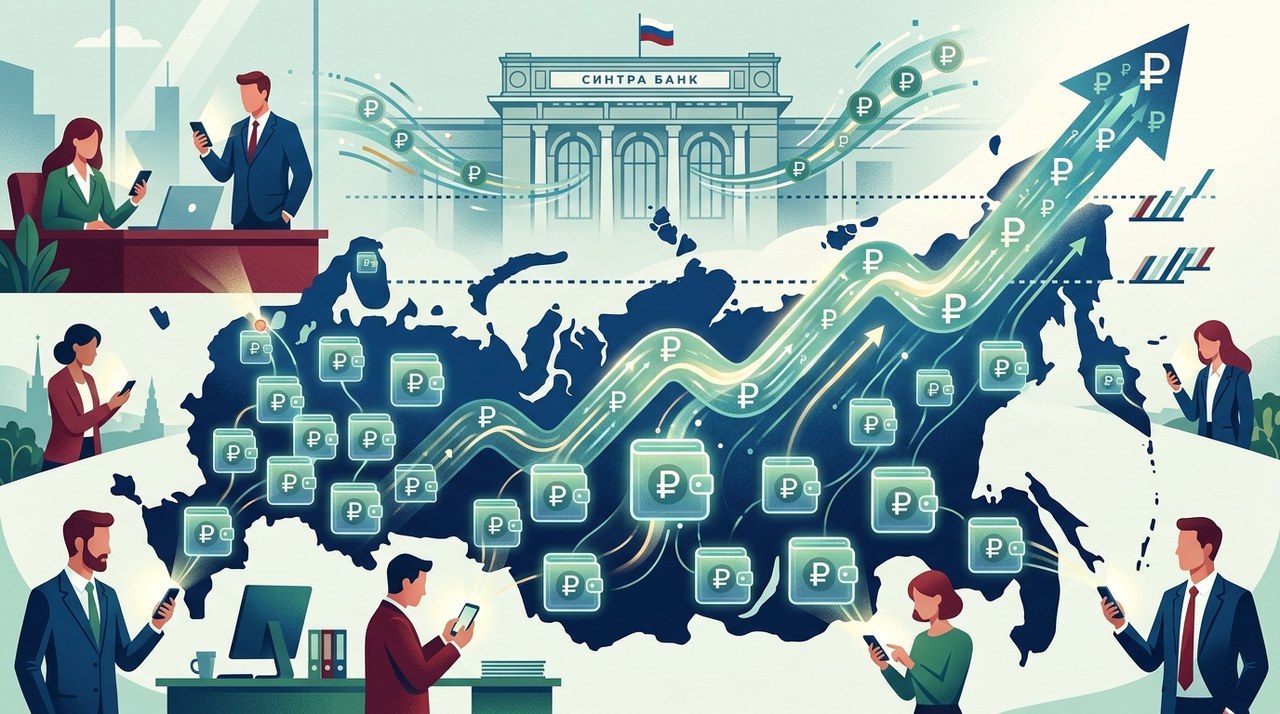
Digital Ruble Pilot Beats Central Bank Forecasts
Russia's official digital currency project is off to a much faster start than anyone anticipated. During its very first month of public testing, users opened more than 220,000 digital ruble accounts across the country.
This impressive figure is nearly four times higher than the original forecast set by the Central Bank of Russia. The milestone shows a growing interest among citizens and businesses in testing new financial tools provided directly by the state.
While early adoption numbers are strong, central bank officials are continuing to expand trial features gradually to ensure network stability and security.
What Exactly Is a Central Bank Digital Currency?
To understand why this launch is making headlines, it helps to look at how central bank digital currencies, or CBDCs, actually work. Think of a CBDC as physical cash, but stored inside a digital wallet on your phone.
Most money people use today already lives electronically in private commercial bank accounts. However, commercial bank money carries credit risk from the private institution hosting your account.
A CBDC is different because it is issued directly by a nation's central bank. It represents a direct liability of the state, making it a third distinct form of official money alongside physical cash banknotes and commercial bank deposits.
Key Differences Between Money Types
- Physical Cash: Anonymous paper money backed directly by the sovereign central bank.
- Commercial Bank Money: Digital balances stored in private banks, subject to banking fees and commercial solvency.
- Central Bank Digital Currency (CBDC): Sovereign digital money issued directly by the central bank on a dedicated payment platform.
Why Russia Is Accelerating Its Digital Currency
Russia has been developing its digital ruble architecture for several years. Domestic payment efficiency is one of the chief motivations behind the project.
By offering a central bank payment rail, the government aims to lower transaction fees for merchants and make everyday money transfers free or cheap for citizens.
Another primary driver is creating independent payment infrastructure. Moving transactions onto a central bank platform reduces reliance on foreign payment networks and traditional card processors.
The BRICS Connection: Revolutionizing Cross-Border Trade
The rapid growth of the digital ruble isn't happening in isolation. It aligns directly with broader economic strategies among BRICS nations, which include Brazil, Russia, India, China, South Africa, and newly joined member countries.
BRICS member nations are actively exploring ways to link their individual digital currencies together. The goal is to build an interconnected international payment framework for cross-border trade.
The digital ruble’s early uptake comes as BRICS nations explore linking their digital currencies for cross-border trade and payments.
Currently, international trade settlements heavily rely on Western-dominated messaging systems like SWIFT, often using the US dollar as an intermediary reserve currency.
By linking state-backed digital tokens, member nations hope to clear settlements directly with trading partners in local currencies, bypassing foreign correspondent banking networks.
How Interconnected CBDCs Function in International Settlements
Traditional cross-border wire transfers can take several days to clear. They usually pass through multiple correspondent banks, with each middleman extracting settlement fees along the path.
An interconnected CBDC network links central bank ledgers directly using unified communication channels or shared protocol platforms.
For instance, if a Russian importer purchases manufactured goods from China, the digital rubles could automatically convert into digital yuan on an interoperable exchange platform. Settlement completes in seconds rather than days.
Weighing the Potential Benefits and Trade-Offs
Like any major technological shift in global finance, central bank digital currencies present both distinct advantages and noteworthy risks.
Potential Advantages
- Speed and Efficiency: Real-time clearing for domestic and international transfers.
- Reduced Costs: Cutting out intermediary card processors and middleman clearing houses.
- Financial Access: Providing secure digital payment options without requiring a commercial bank account.
Key Risks and Considerations
- Privacy Concerns: Unlike physical cash, sovereign digital ledgers allow financial administrators complete visibility into transactions.
- Commercial Bank Disintermediation: If citizens move large deposits from private banks to central bank wallets, commercial institutions could face liquidity pressures during stressed market conditions.
- Operational Risks: Centralized digital financial infrastructure requires robust defense systems against cyberattacks and technical outages.
What Happens Next in the CBDC Evolution?
The rapid initial adoption of Russia's digital ruble highlights growing interest in state-backed digital finance. However, moving from pilot testing to widespread full-scale rollout across an entire economy will take time.
As BRICS nations continue testing interconnected digital bridges, market observers will be watching closely to see how effectively these digital assets operate across international borders.
The future of global money is evolving rapidly. Whether sovereign digital currencies become the default standard for global trade remains an ongoing development for international markets.
Latest blog posts

Greece Passes Crypto Tax Law With 10% Gains Levy, 15% on Staking
Greece has approved a new crypto tax framework, introducing a 10% capital gains tax and a 15% rate on staking and DeFi income.
US Treasury Drops Proposed Crypto Travel Rule Expansion
The U.S. Department of the Treasury has officially withdrawn a controversial proposal that aimed to expand transaction monitoring for cryptocurrency users.

Gnosis Pay Data Breach: User Info Exposed, Funds Safe
Gnosis Pay reported a security incident exposing card and personal data, but confirmed that customer crypto funds remain secure.
|