Russia Clears First Official Crypto Exchanges and Custodians
A Major Legal Step for Digital Assets in Russia
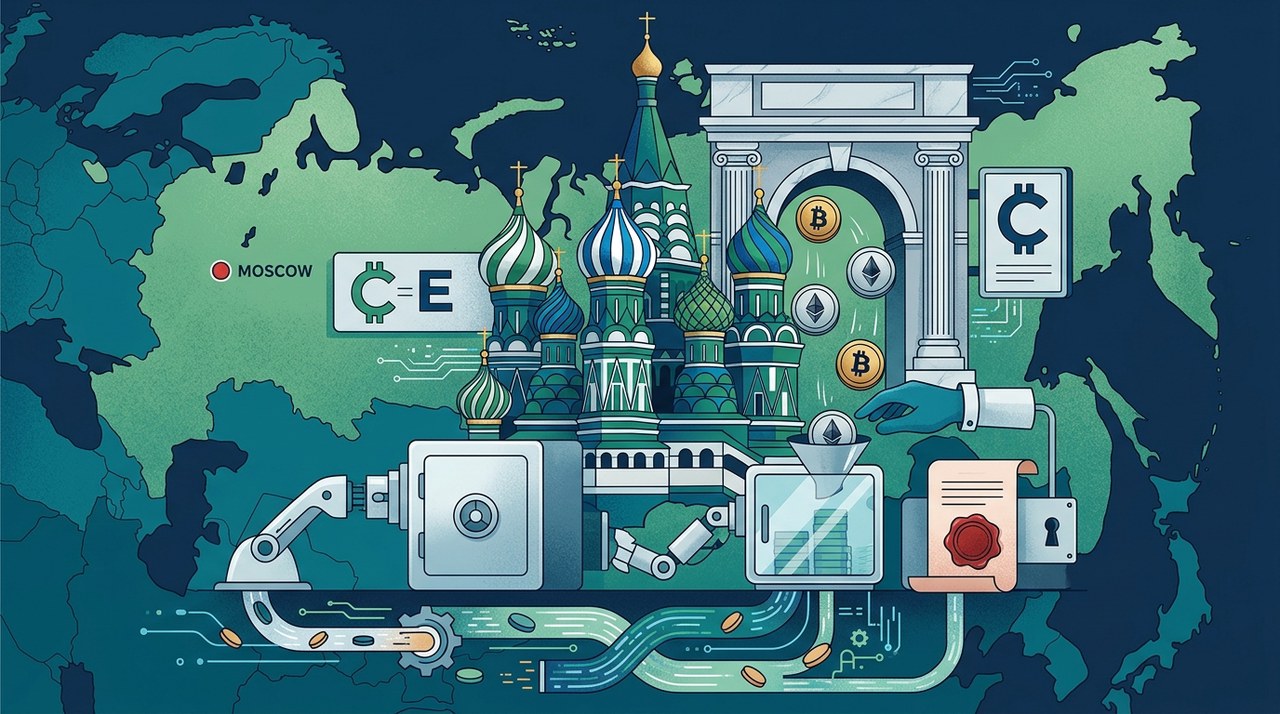
Russia has officially registered its very first cryptocurrency exchanges and custodian service providers under a newly established legal framework.
This formal recognition marks a significant turning point in how digital assets are managed and traded within the country.
Among the approved entities is Sberbank, which stands as Russia's largest financial institution.
Sberbank has shared plans to roll out its initial suite of cryptocurrency products starting on December 1.
Breaking Down the Core Facts
To understand why this update is drawing attention across global financial markets, let us look at the core facts:
- Official Registration: Russia has formally approved its first batch of crypto exchanges and custodian providers under a new law.
- Sberbank's Inclusion: Russia's largest bank, Sberbank, is among the newly registered digital asset providers.
- Target Launch Date: Sberbank aims to introduce dedicated cryptocurrency products to its customers beginning December 1.
Understanding Crypto Exchanges and Custodians
If you are new to the world of digital finance, terms like exchanges and custodians might sound overly complex.
Let us break them down into simple everyday concepts.
What Is a Crypto Exchange?
A cryptocurrency exchange acts like a digital marketplace or stock market.
Imagine a traditional farmers' market where buyers and sellers meet to trade goods.
A crypto exchange works similarly, allowing users to swap standard government money for digital currencies, or exchange one digital token for another.
What Is a Crypto Custodian?
A custodian is essentially a secure storage provider or specialized bank vault.
When you hold digital assets, keeping your private security keys safe is crucial.
A licensed custodian holds these private keys on behalf of individuals or institutions, protecting them against theft or technical loss.
Why Sberbank's Entry Matters
Sberbank is not just any financial institution; it is the cornerstone of Russia's banking sector.
When a nation's largest bank enters the digital asset landscape, it transitions cryptocurrency from a niche technical market into mainstream consumer banking.
Sberbank's upcoming launch on December 1 demonstrates how traditional banking infrastructures are adapting to legal digital asset frameworks.
The integration of digital assets into established banking systems gives institutional and retail participants a regulated environment for handling digital holdings.
What Products Could Look Like
While specific product mechanics will be revealed closer to December 1, registered banking entities generally offer a few core services under new regulatory laws:
- Secure Custody: Allowing account holders to store digital assets inside verified bank-grade security systems.
- Trading Accounts: Providing straightforward portals for users to purchase or convert recognized digital tokens.
- Settlement Services: Facilitating transactions between commercial businesses using regulated digital asset rails.
Understanding Russia's New Regulatory Framework
In the past, cryptocurrency rules across many countries operated in uncertain legal territories.
Clear legislation helps establish defined boundaries for taxation, user rights, and operational oversight.
By officially registering these entities, the Russian government establishes active oversight while providing companies with clearer operational rules.
Important Risks and Considerations
While regulatory clarity provides defined ground rules, participating in digital asset markets always involves inherent risks.
Cryptocurrencies are known for short-term price fluctuations influenced by global economic conditions, market sentiment, and technological shifts.
Additionally, regulatory frameworks can evolve over time, which may alter how digital asset services operate in the future.
Investors and participants should always evaluate these market factors carefully and maintain realistic expectations regarding digital financial products.
Summary
Russia's official registration of its first crypto exchanges and custodians marks a structured step forward for its domestic financial ecosystem.
With major players like Sberbank gearing up for product launches on December 1, the bridge between traditional banking and digital assets continues to widen globally.
Latest blog posts

Greece Passes Crypto Tax Law With 10% Gains Levy, 15% on Staking
Greece has approved a new crypto tax framework, introducing a 10% capital gains tax and a 15% rate on staking and DeFi income.

US Treasury Drops Proposed Crypto Travel Rule Expansion
The U.S. Department of the Treasury has officially withdrawn a controversial proposal that aimed to expand transaction monitoring for cryptocurrency users.

Gnosis Pay Data Breach: User Info Exposed, Funds Safe
Gnosis Pay reported a security incident exposing card and personal data, but confirmed that customer crypto funds remain secure.
|