

Ripple CEO Explains Strategy for XRP and RLUSD Stablecoin

A Pragmatic Approach to Blockchain Payments
Imagine trying to send money across borders instantly without paying massive bank fees. That was RippleXRP+4.65%'s initial mission when it launched. Today, the company plays a much bigger role in global financial technology.
Ripple Chief Executive Officer Brad Garlinghouse recently offered a practical breakdown of the company's strategy. He acknowledged that while the XRP token is a core asset, it is not the right fit for every transaction.
Instead of forcing one single tool on every enterprise client, Ripple adopts a flexible mindset. In short, using some XRP where appropriate is far better than insisting on an all-or-nothing approach.
What Does Ripple Actually Do?
When asked to describe Ripple in under 60 seconds, Garlinghouse defined it as a full-suite blockchain infrastructure firm.
The company started its journey with cross-border payments. It focused on making international transfers as fast and simple as sending an email.
Over time, Ripple expanded its suite of services into corporate treasury operations. Today, it helps major institutions manage liquidity, settlement, and asset custody worldwide.
Why XRP Isn't Used for Every Transaction
In the early days of crypto, many market observers assumed Ripple would process every payment using XRP. However, real-world corporate finance requires flexibility.
Traditional financial institutions operate under strict regulatory rules. Many conservative banks prefer fixed-value assets to avoid short-term price fluctuations when moving large sums.
"XRP is not the right tool for every transaction, but the company will use it wherever it makes sense."
By adopting this realistic view, Ripple opens doors to broader institutional adoption. If a partner prefers fiat-backed options, Ripple provides them without sacrificing blockchain speed.
How RLUSD Fills the Financial Gaps
To address the need for price stability, Ripple introduced its enterprise-grade stablecoin, RLUSD.
RLUSD is pegged directly to the US dollar. This guarantees that one token maintains a predictable value equal to one dollar.
Here is how both digital assets work together within Ripple's network:
- XRP: Acts as an ultra-fast, low-cost liquidity bridge for multi-currency conversion.
- RLUSD: Delivers stable price accounting for corporate treasury settlements and predictable value storage.
By combining both tools, Ripple allows institutions to choose between dynamic liquidity or fixed-value stability depending on their operational needs.
Evolution into Corporate Treasury Infrastructure
Moving into enterprise treasury management represents a natural step in Ripple's growth. Managing global capital demands high security and reliable processing.
Multinational corporations often lock up cash in foreign bank accounts. Traditional wire systems can cause multi-day delays and incur foreign exchange fees.
Ripple's modern framework lets treasuries transfer working capital instantly, 24/7. Whether using RLUSD for consistency or XRP for bridge speed, enterprises gain better oversight of global funds.
Understanding Asset Characteristics and Risks
As enterprise adoption grows, market participants should always evaluate individual token characteristics and inherent risks.
Digital assets like XRP can experience price volatility influenced by market liquidity and broader regulatory developments.
Similarly, stablecoins like RLUSD depend on transparent dollar reserve audits and regulatory oversight to maintain their fixed peg.
Please remember that past performance of digital assets is not an indicator of future performance. For live pricing and asset details, visit the Bitkub XRP Market.
Latest blog posts


Galaxy Revises Bitcoin Outlook as Key Support Level Comes Into View
Galaxy Digital has updated its Bitcoin forecast, warning that a daily close below $58,525 could trigger further market declines.
|

Fidelity Files for Chainlink ETF Despite Recent Outflows
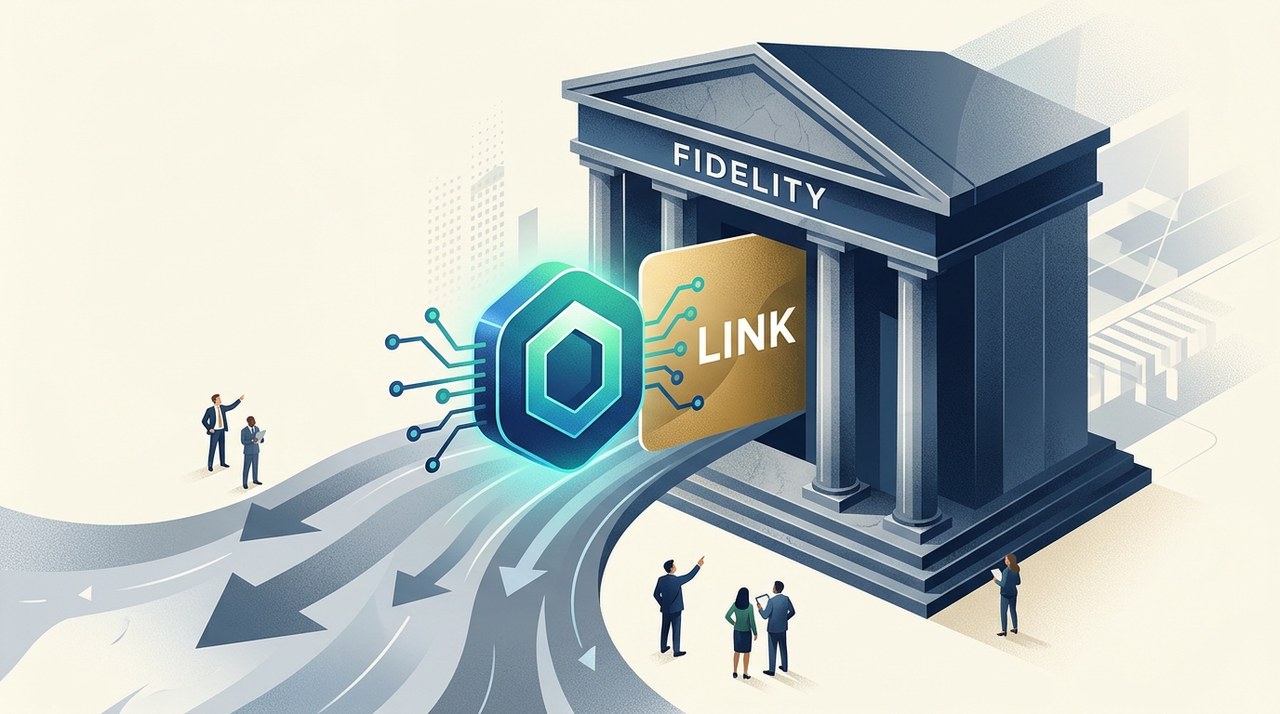
Fidelity has submitted an SEC filing for a spot Chainlink ETF, even as existing LINK products experience monthly net outflows amid a broader market slowdown.
|
US House Advances 20-Year Bitcoin Reserve Bill
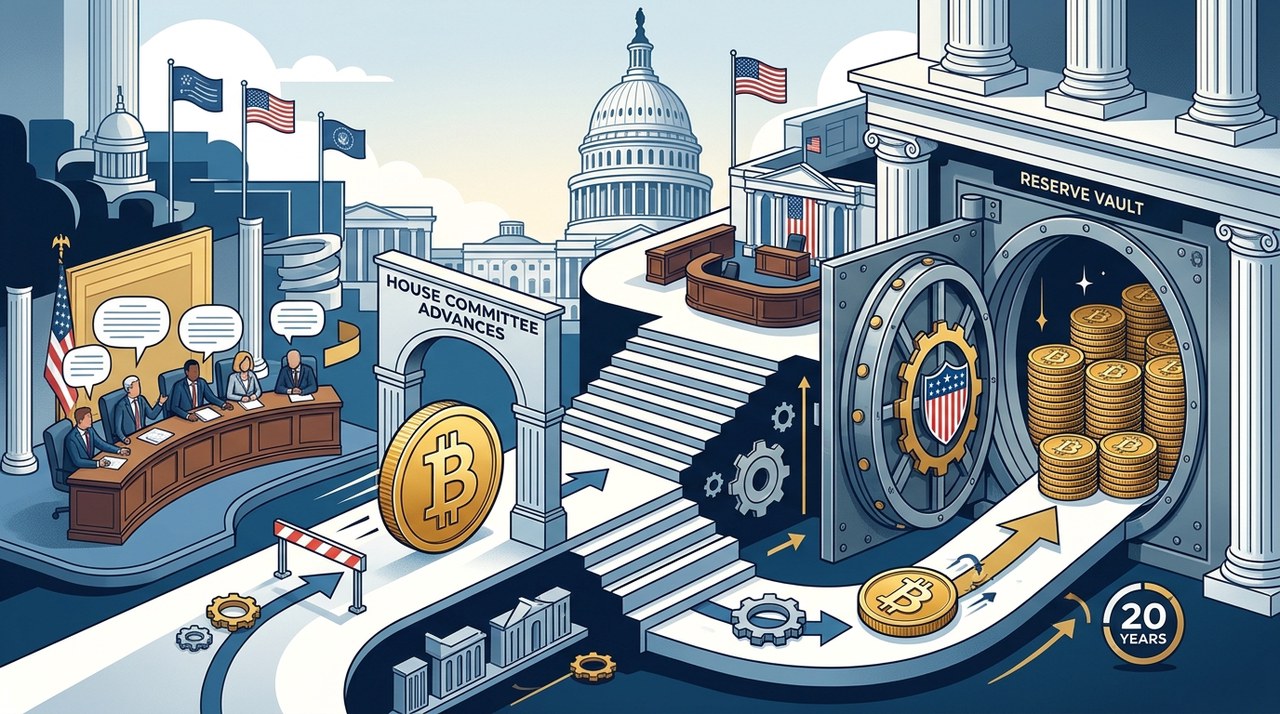
A U.S. House committee has approved a bill to establish a 20-year Strategic Bitcoin Reserve, sending it to the floor for a full vote.
|