


Quantum-Proofing Crypto: The Huge Cost to Blockchain Speed
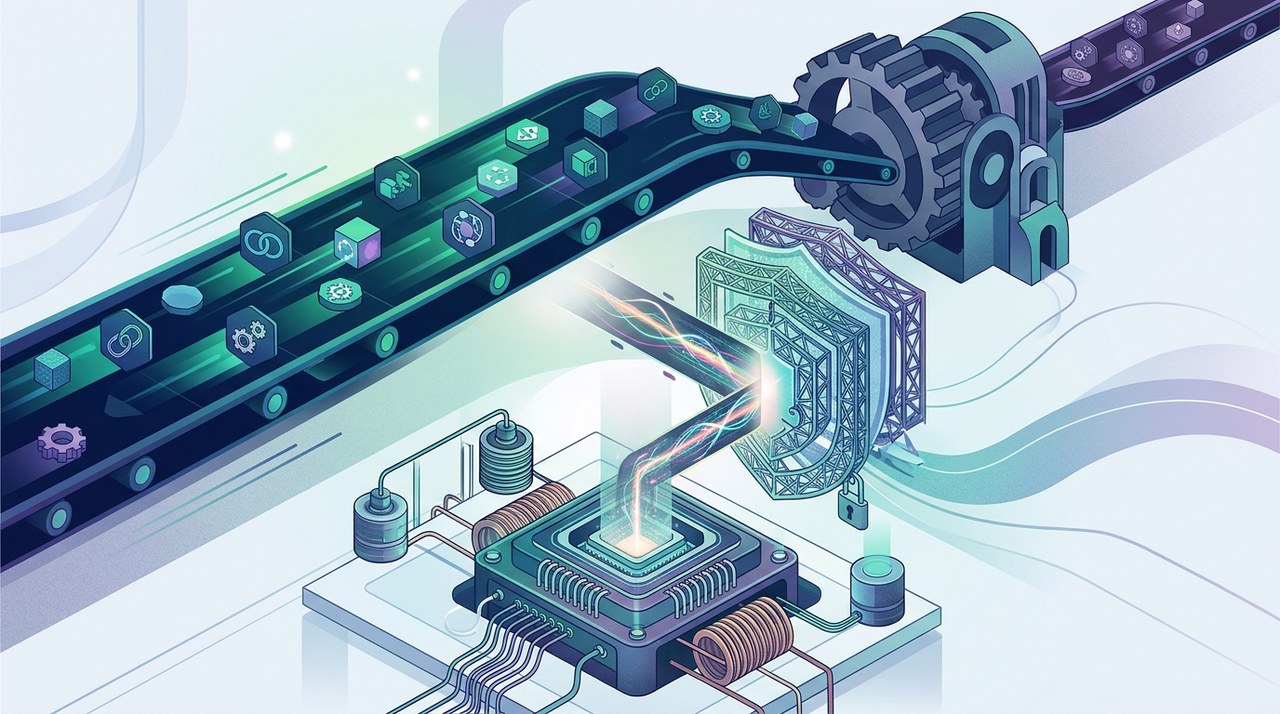
Quantum computers might sound like something straight out of a science fiction movie, but the crypto industry is already taking them very seriously. A recent report by the International Organization of Securities Commissions (IOSCO) reveals a major dilemma facing the industry. Upgrading public blockchains to withstand future quantum computer attacks could drastically slow down transaction speeds and increase network fees.
This trade-off between security and performance is particularly challenging for major Layer 1 (L1) blockchains like EthereumETH+3.73%, SolanaSOL+1.94%, and TronTRX+2.29%. These networks process millions of actions every day. Protecting them against future quantum threats requires moving away from traditional security models to complex post-quantum cryptography (PQC).
To understand why this upgrade is such a massive headache, we need to look at how crypto security works today. Currently, most blockchains rely on Elliptic Curve Cryptography (ECC). It is fast, light, and highly efficient. However, advanced quantum computers could theoretically break ECC encryption in the future.
To prevent that, researchers are developing Post-Quantum Cryptography (PQC). But PQC comes with a serious catch: it requires far more data and computing power to work.
The Data Problem: Why Quantum Signatures Are Massive
Think of a cryptographic signature as the digital stamp that proves you authorized a transaction. Under the current Elliptic Curve Cryptography (ECC) system, a typical digital signature takes up just 64 bytes of data. That is incredibly tiny, allowing blockchains to pack thousands of transactions into a single block easily.
Now, let us look at post-quantum alternatives. One leading standard approved by the National Institute of Standards and Technology (NIST) is the ML-DSA-44 scheme. A signature generated using ML-DSA-44 requires approximately 2,420 bytes of data.
That means a single quantum-safe signature is 35 to 40 times larger than the signatures used today!
When signature sizes explode by 40 times, every part of the blockchain pipeline feels the heavy pressure. Every transaction must be validated, stored, and transmitted across the network. Larger signatures mean network nodes must store far more data, while block propagation across nodes slows down significantly.
Real-World Impact: Solana’s 90% Speed Drop
This is not just a theoretical concern written on paper. The IOSCO report highlights real-world evidence from test environments to show the severe performance hit.
When developers tested post-quantum signatures on Solana’s quantum-resistant testnet, the results were eye-opening. Replacing standard ECC signatures with post-quantum alternatives caused an approximate 90% decline in throughput.
For high-speed blockchains like Solana, a 90% drop in capacity is a huge roadblock. It means far fewer transactions can fit into each block, leading to network congestion and much higher gas fees for everyday users.
Decentralization and the Hard Fork Challenge
Beyond the technical performance slowdown, upgrading a decentralized network presents huge coordination challenges. In traditional financial systems, a central company can roll out software updates across its infrastructure overnight.
Decentralized blockchains operate very differently. They rely on thousands of independent validators and node operators scattered around the globe. Upgrading core security mechanisms requires protocol-level changes, including hard forks.
Because independent validators must coordinate the upgrade, the migration process could be slow and uneven. This creates a risky transition period.
Even after quantum-resistant features are added to a network, older accounts, un-updated smart contracts, and inactive assets might still depend on legacy, quantum-vulnerable keys. This leaves parts of the ecosystem exposed even while the rest of the network moves forward.
What About Layer 2 Networks?
Many users turn to Layer 2 (L2) networks like rollups to get faster and cheaper transactions. L2 systems process or aggregate transactions off-chain to reduce the burden on their main underlying Layer 1 chain.
However, the IOSCO report points out that adopting post-quantum cryptography on Layer 2 alone is not enough. L2 networks remain deeply dependent on their host L1 chains for vital security functions.
- Settlement: Finalizing transaction balances on the main chain.
- Bridges: Moving assets securely between Layer 1 and Layer 2.
- Data Availability: Ensuring transaction data can be verified by everyone.
- Verification: Validating off-chain computations on the underlying layer.
If the underlying Layer 1 remains vulnerable to quantum attacks, the Layer 2 networks built on top of it will stay at risk as well.
SNARKs vs. STARKs: A Quantum Showdown
The report also highlights concerns for specific rollup designs, including Optimistic rollups and zero-knowledge (ZK) rollups.
Optimistic rollups rely on fraud-proof mechanisms. These give participants a set window to challenge invalid transactions. If the underlying security signatures behind these fraud proofs can be broken by quantum power, the entire verification system fails.
Zero-knowledge rollups face a split path depending on the technology they use:
- SNARKs: Many existing SNARK-based systems rely heavily on Elliptic Curve Cryptography. As a result, they will need major modifications or complete replacements to become quantum-safe.
- STARKs: STARK-based systems primarily use hash-based cryptography. Hash functions are considered far more resistant to quantum attacks.
However, even STARKs are not automatically immune. The report notes that their security still depends on selecting the right parameters and maintaining strong underlying hash functions.
Balancing Security and Speed for the Future
The findings from IOSCO underline a major engineering hurdle for the crypto industry. Developers must find ways to shield user funds from future quantum threats without destroying the speed and low costs that make blockchains usable today.
As quantum technology evolves, developers across Ethereum, Solana, Tron, and Layer 2 networks will need to craft more efficient post-quantum algorithms to keep public networks both safe and speedy.
Latest blog posts

Dogecoin Holds Key Support as Market Analysts Weigh Next Moves
Dogecoin has declined 30% over the past month, but analysts point to historic support levels and oversold signals while tracking broader market risks.
|

 +2
Bitcoin Reclaims $60K After Dropping to Two-Year Low
Bitcoin bounced back above $60,000 after falling to $55,326, while major altcoins also recovered following heavy sell-offs.
|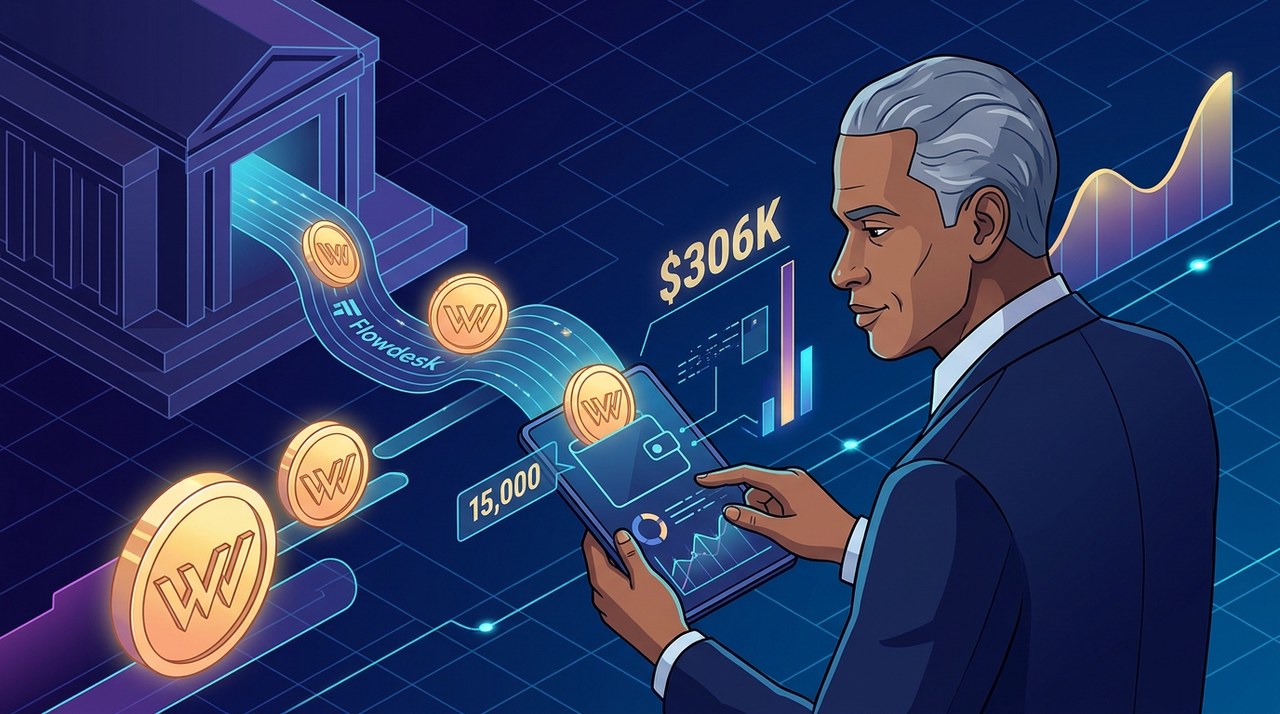

Arthur Hayes Receives $306K in VVV as Token Targets Rebound
BitMEX co-founder Arthur Hayes received 15,000 VVV tokens following his $40 price prediction as VVV reclaims key technical indicators above $22.
|