


Pump.fun Faces Backlash After Phasing Out Web3 Wallet Sign-Ins
What Is Happening with Pump.fun's Login System?
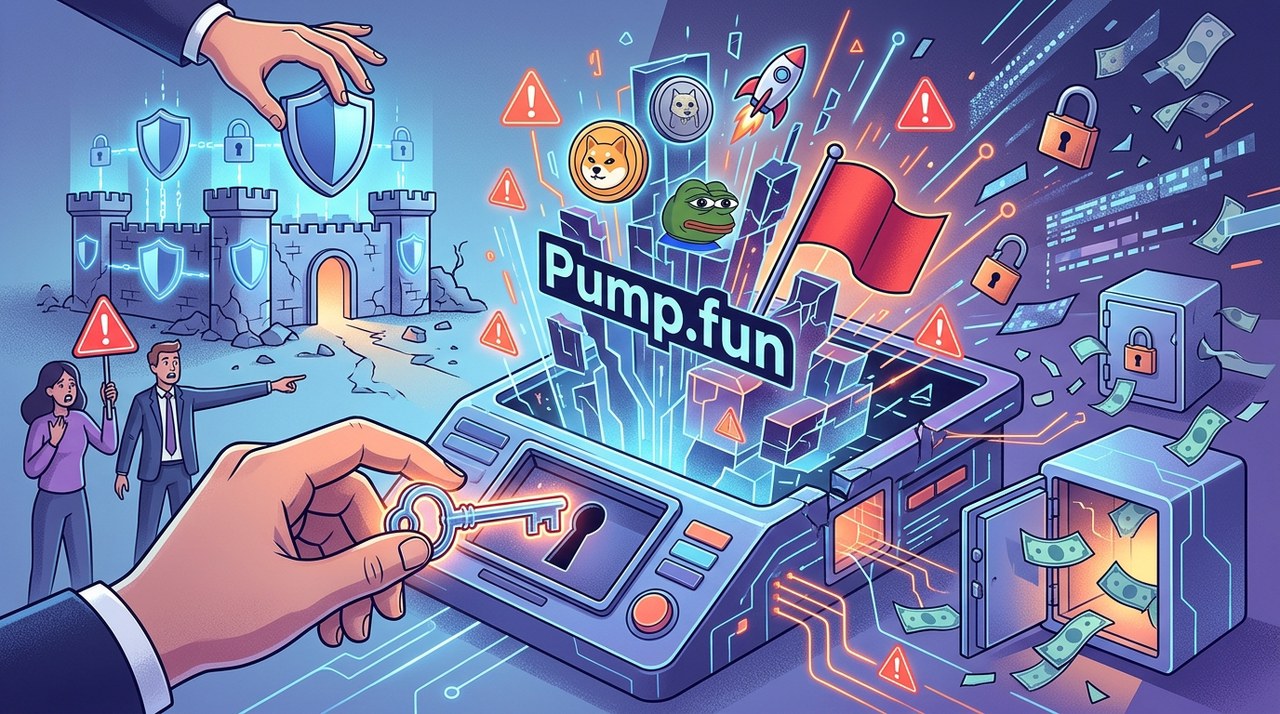
SolanaSOL+9.25%-based meme coin generator Pump.fun has officially begun retiring its support for traditional external wallet sign-ins on its web platform. Instead of letting users connect through browser extensions like Phantom or Solflare with a simple cryptographic signature, the platform is asking users to manually import their private keys to maintain access to existing accounts.
This major operational shift has caught many traders off guard. For years, the gold standard of decentralized applications (dApps) has been allowing users to sign transactions securely without ever revealing their underlying private keys. By requiring users to input their sensitive secret keys into the web client, Pump.fun has ignited widespread criticism from security researchers, Web3 developers, and everyday traders alike.
Why Private Key Imports Are Raising Red Flags
In the world of cryptocurrency, your private key is essentially the ultimate passkey to your funds. Anyone who holds a private key has full, irreversible control over the digital assets stored inside that wallet address. The standard security advice across the entire blockchain industry has always been crystal clear: never type or paste your private key into a website.
Security analysts have highlighted several major risks associated with asking users to input private keys on web interfaces:
- Increased Phishing Vulnerability: When legitimate platforms encourage users to enter private keys, it normalizes unsafe behavior. Phishing attackers can easily clone the website interface and steal secret keys from unsuspecting users.
- Malicious Browser Extensions: If a user pastes a private key on a web page, malicious browser add-ons or clipboard-hijacking malware can capture the sensitive string immediately.
- Centralized Storage Risks: Depending on how the website processes imported keys, there is a heightened risk that sensitive credentials could be accidentally logged, cached, or compromised on server infrastructures.
- Loss of Hardware Wallet Protection: Users relying on hardware wallets like Ledger or Trezor cannot safely export private keys into web software, defeating the core purpose of cold storage security.
Understanding Pump.fun and Its Ecosystem Role
Pump.fun has grown into one of the most popular applications on the Solana network, enabling users to create, launch, and trade custom tokens within minutes without needing deep technical knowledge. The platform utilizes a bonding curve mechanism to facilitate liquidity, allowing new tokens to transition onto decentralized exchanges like Raydium once a specific market valuation threshold is met.
Due to its high transaction volume and rapid growth, changes to Pump.fun's user experience rippleXRP+8.30% across the entire Solana ecosystem. The platform's native ecosystem dynamics and token interactions (such as PUMP) rely heavily on quick, frictionless transactions. However, critics argue that sacrificing foundational security principles for convenience sets a concerning precedent for decentralized applications.
The Shift Toward Embedded Wallets
Industry observers speculate that Pump.fun is transitioning toward an embedded wallet model to streamline user onboarding for non-crypto natives. Embedded wallets allow Web3 applications to create seamlessly integrated user accounts tied to email addresses or social logins, hiding the complexity of blockchain interactions.
While embedded wallets can significantly lower the barrier to entry for beginners, retroactively forcing existing users to migrate external wallets by importing private keys presents serious operational security trade-offs.
Crypto Community Reacts: Major Concerns Raised
The response from the crypto community on platforms like X (formerly Twitter) has been overwhelmingly critical. Prominent blockchain security experts have warned users against entering their main wallet secret keys under any circumstances.
Asking users to input raw private keys into a web browser undoes years of user education regarding Web3 self-custody and digital asset safety.
Many experienced traders have expressed concern that less-experienced users who follow the platform's prompt might unknowingly expose their main savings wallets to catastrophic security breaches.
How Users Can Protect Their Digital Assets
If you are an active user of Pump.fun or similar decentralized trading platforms, cybersecurity professionals recommend taking immediate precautions to safeguard your holdings:
- Never Import Main Wallet Keys: Do not enter the private key or seed phrase of your main storage wallet or hardware wallet into any website form.
- Create a Fresh Burner Wallet: If you choose to interact with platforms requiring embedded keys, create a dedicated, brand-new wallet address used strictly for small, disposable trading amounts.
- Transfer Assets Out First: If you must export a key from an existing wallet to keep an account active, transfer all meaningful asset balances out to a fresh, secure vault address beforehand.
- Verify Website URLs Double Check: Always double-check domain names carefully to avoid falling victim to look-alike phishing websites designed to drain connected wallets.
Balancing Platform Convenience and Blockchain Security
The ongoing situation at Pump.fun underscores a central tension in the crypto industry: balancing smooth user onboarding with robust non-custodial security. As Web3 applications strive to reach broader audiences, the methods used to manage digital identities and private keys remain under intense scrutiny.
Traders and market participants should continuously monitor official announcements from platform developers while prioritizing their own wallet security hygiene. Remember, past performance of digital assets or platforms is not a guarantee of future performance, and trading volatile digital assets always carries inherent financial and technical risks.
Latest blog posts


Solo Bitcoin Miner Wins $191,000 Reward Against the Odds
A small-scale solo Bitcoin miner successfully solved a block, earning the full 3.125 BTC reward valued at roughly $191,000 despite low hashpower.
|
Strategy Buys 457 Bitcoin and Expands Buybacks
Strategy acquired 457 Bitcoin while spending $212 million on preferred share buybacks and raising its buyback authorization limit to $4 billion.
|
American Bitcoin Secures $150M Credit Line from FalconX
Trump-linked miner American Bitcoin has secured a $150 million credit line from FalconX to support operations and expansion without selling more BTC.
|