
Polymarket Rolls Out Protocol V2 Upgrade

Polymarket Upgrades Infrastructure with Protocol V2
Polymarket has officially rolled out its Protocol V2 upgrade. This upgrade transitions the prediction platform away from its legacy system to a more streamlined core architecture.
In the original version, Polymarket relied heavily on a legacy framework developed on GnosisGNO+0.00%. The new V2 system updates this foundation by introducing a single ERC-1155 positions contract and integrated pUSD collateral.
Moving Away from the Legacy Gnosis Setup
When Polymarket first launched, it utilized the Gnosis Conditional Tokens Framework to manage market outcomes. This setup allowed users to trade shares representing different outcomes for real-world events.
While effective during the early stages of the platform, the legacy architecture required multiple smart contracts to track different positions. As trading volume grew, managing separate contracts increased operational overhead.
With the Protocol V2 upgrade, Polymarket replaces this multi-contract Gnosis setup with a single unified framework designed to streamline transaction processing and market creation.
Understanding the Single ERC-1155 Positions Contract
A key component of the Protocol V2 update is the adoption of the ERC-1155 token standard into a single positions contract.
Think of standard ERC-20 tokens like individual currencies and ERC-721 tokens like unique collectible cards. The ERC-1155 standard acts like a multi-tool that can manage both types within a single contract.
By consolidating all market positions into one ERC-1155 contract, Protocol V2 offers several practical key features:
- Reduced Gas Costs: Combining operations into a single contract reduces the blockchain computational load required per trade.
- Simplified Position Tracking: Managing all outcome tokens inside one contract makes tracking balances easier for decentralized applications.
- Enhanced Developers Integration: Third-party applications and analytics tools can interact with a single smart contract address instead of querying multiple legacy contracts.
The Role of pUSD Collateral in V2
Alongside the smart contract consolidation, Protocol V2 introduces pUSD as the primary collateral mechanism for trading positions.
In prediction markets, collateral acts as the underlying value backing every outcome share. When a user buys a position, collateral is locked in the contract until the event resolves and payouts are distributed.
The introduction of pUSD collateral standardizes how liquidity is locked and settled across all prediction markets on the platform, aiming for consistent collateral management across active markets.
Impact on Users and the Broader Ecosystem
For regular users on Polymarket, the Protocol V2 deployment changes how transactions interact with the underlying blockchain behind the user interface.
Because the legacy setup involved the Gnosis network ecosystem tokens and contracts, this migration represents a structural shift toward Polymarket's own custom execution layer.
Traders should note that while protocol upgrades offer structural efficiencies, interacting with smart contracts always carries inherent technical risks. Users should carefully review updated contract documentation when participating in prediction markets.
Latest blog posts


 +1
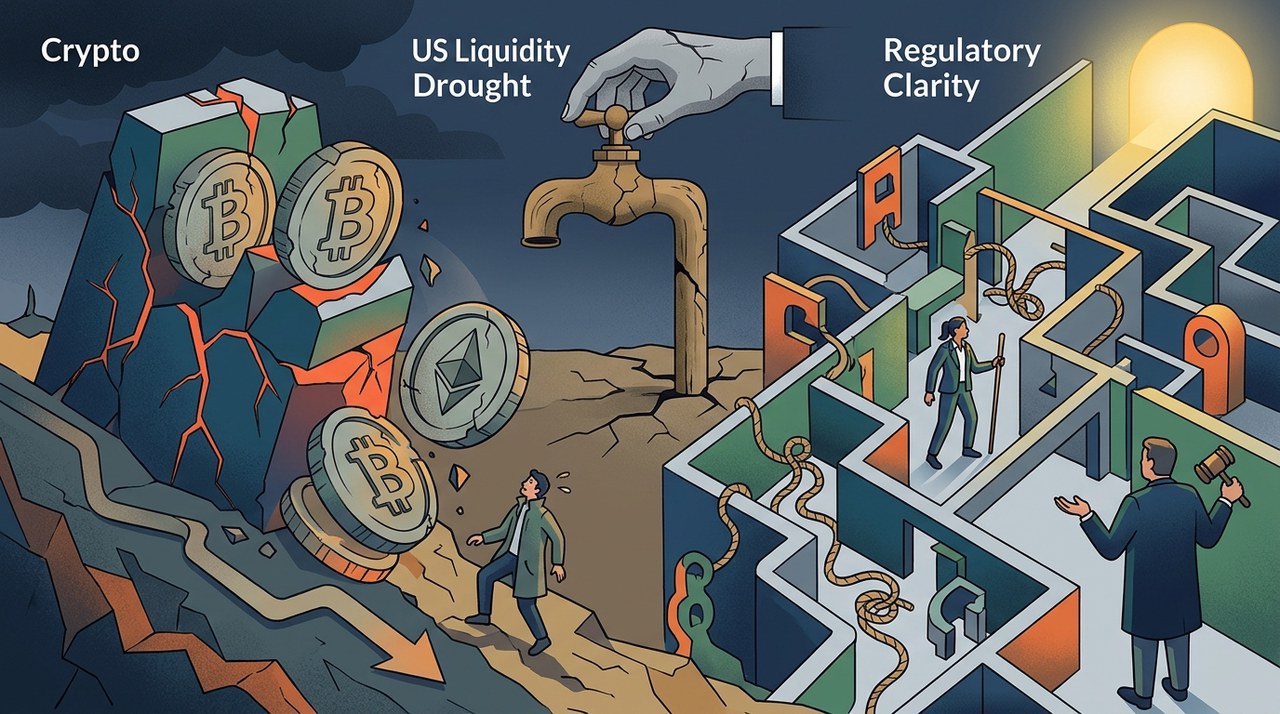
Why Is Crypto Crashing? Raoul Pal and Kevin O'Leary Explain
Raoul Pal and Kevin O'Leary highlight how tight US financial liquidity and regulatory delays are curbing crypto growth and institutional adoption.
|

South Korea Gives Exchanges Power to Freeze Crypto on Suspicion
South Korean regulators now permit crypto exchanges to halt withdrawals during suspected hacks, balancing faster asset protection against temporary user access locks.
|

Is the AI Trade Over? What It Means for Bitcoin
Fidelity analyst Jurrien Timmer suggests the AI stock boom may be cooling, raising questions about whether investor funds could rotate into Bitcoin.
|