Polymarket Rolls Out Protocol V2 Smart Contracts
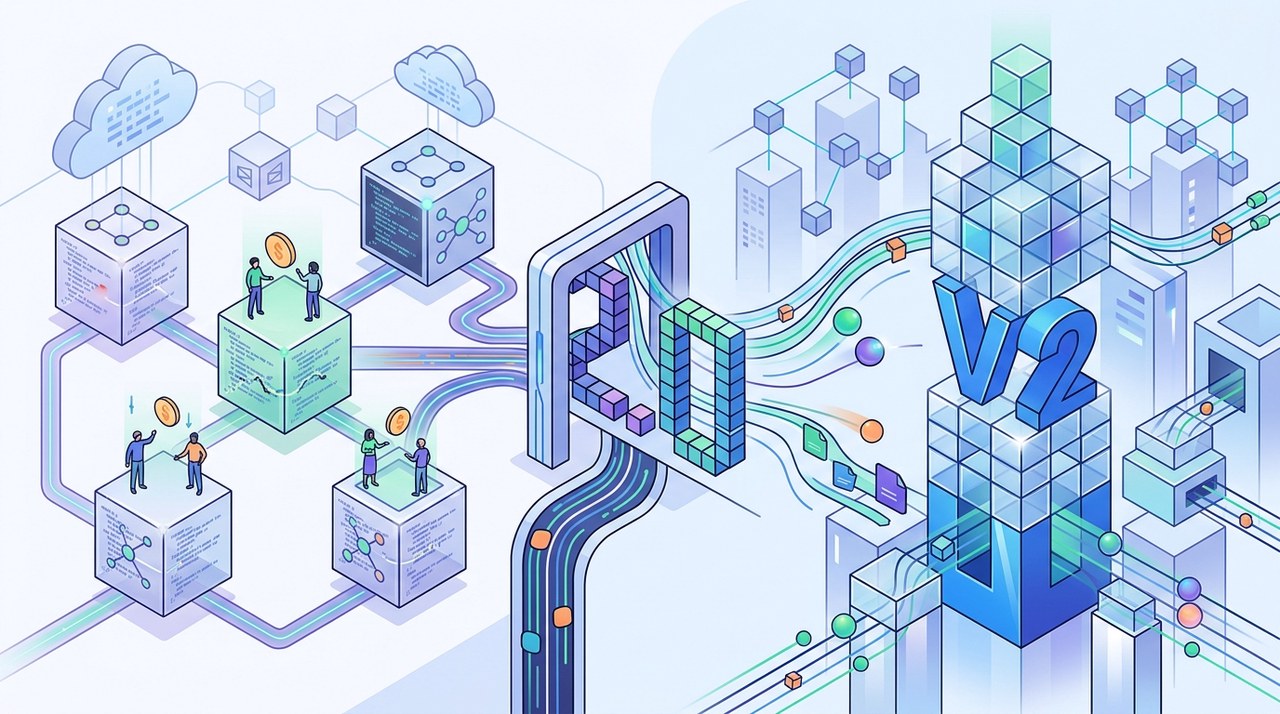
Polymarket Begins Rollout of Upgraded Protocol V2
Polymarket, one of the most popular decentralized prediction market platforms, has started rolling out its Protocol V2 upgrade. This major infrastructure change involves a thorough overhaul of the platform's underlying smart contracts.
The platform is preparing for a full transition expected in November. The primary goal of this rollout is to upgrade how future markets are created, managed, and settled on the blockchain.
How the November Transition Works for Current and New Users
If you already have active positions on Polymarket, you might be wondering what happens to your funds. Polymarket has designed a phased transition to keep user assets safe and minimize disruption.
- New Prediction Markets: All new markets launched after the planned November transition will run entirely on the upgraded Protocol V2 smart contracts.
- Existing Positions: Any active markets or open positions created before the rollout will stay on the current system until they resolve.
- Phased Approach: By running both systems side by side, Polymarket avoids the risks associated with force-migrating open user funds to new contracts.
What Are Prediction Markets and Smart Contracts?
To understand why this technical upgrade matters, it helps to look at how prediction markets work. Prediction markets let participants buy and sell shares based on the outcome of real-world events, such as elections, economic data releases, or pop culture events.
Smart contracts act as the digital referees for these markets. They are self-executing programs stored on the blockchain that automatically hold funds, verify event results, and pay out winners without relying on a central authority.
Why Upgrading Smart Contracts Matters in Web3
Over time, blockchain developers discover ways to make smart contracts faster, cheaper, and more secure. Overhauling smart contracts through a Protocol V2 release allows a platform to fix efficiency bottlenecks and introduce new user features.
However, updating code on a public blockchain requires extreme caution. Because smart contracts hold real user assets, making changes without proper testing or careful rollout strategies can expose vulnerabilities. Polymarket's choice to keep existing positions on the old contracts helps protect user funds while allowing new markets to benefit from the upgraded features.
What Should Users Expect Next?
For current traders on Polymarket, no immediate manual action is required for existing positions. You can let your current bets resolve on the legacy contract system without worrying about complicated migration steps.
As November approaches, users starting new trades on fresh markets will interact with the new Protocol V2 architecture. Keeping an eye on official project updates is always a smart habit when interacting with decentralized applications undergoing major updates.
Latest blog posts
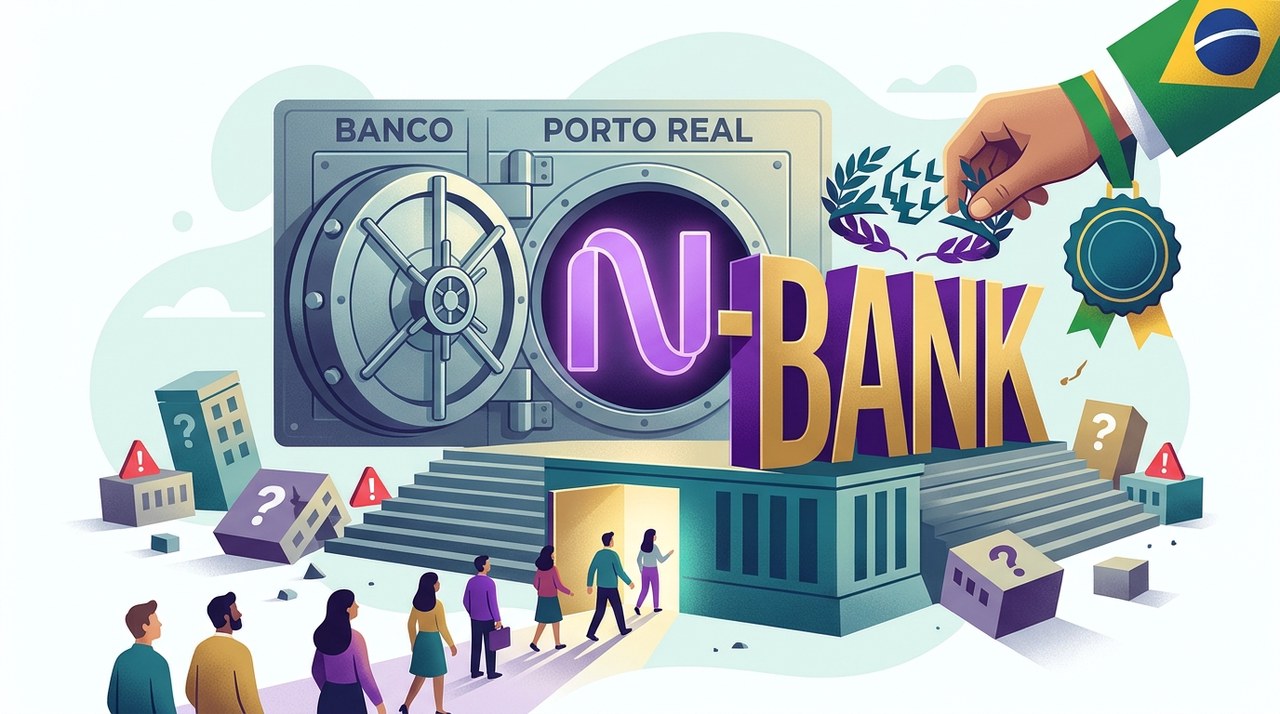


Nubank Secures Brazil Banking License to Keep Iconic Name
Digital banking giant Nubank has officially obtained a banking license in Brazil through an acquisition, allowing it to preserve its brand name and expand services.
|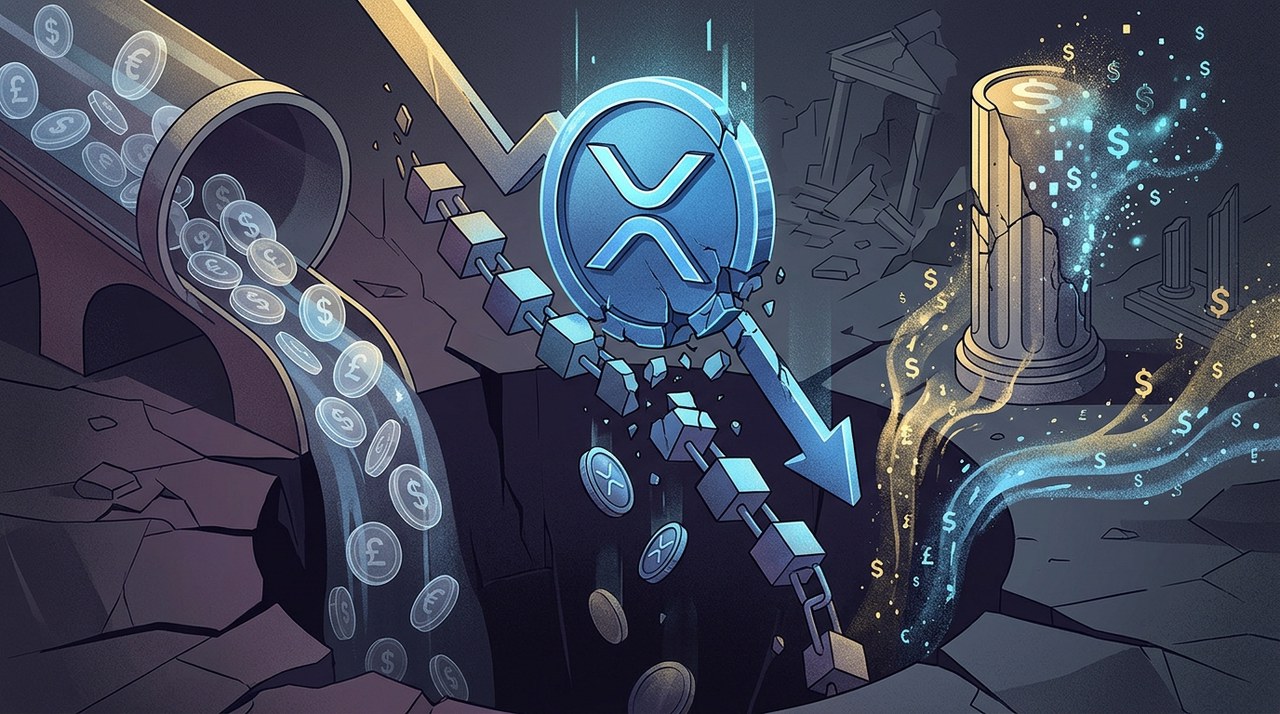

XRP Drops to Lowest Level Since November 2024 Amid Outflows
XRP fell to its lowest point since November 2024 as institutional ETF outflows and shrinking stablecoin liquidity placed pressure on the broader crypto market.
|
Bitcoin Faces $60K Liquidation Risk as Glassnode Warns
Bitcoin faces selling pressure near the $60,000 mark as Glassnode reports key leverage liquidation clusters and shrinking market liquidity.
|