
Polymarket Fights Dutch Gambling Regulator in Court Over Ban

A High-Stakes Legal Showdown in the Netherlands
Can a crypto-based prediction platform be both a financial market and a gambling site at the same time? That is the core question in a major legal dispute unfolding in the Netherlands.
Polymarket, the popular decentralized prediction market platform, has officially taken the Dutch Gambling Authority to court. The company wants judges to overturn a country-wide ban on its services.
The platform argues that its event contracts are financial products similar to futures trading. Therefore, Polymarket believes it should answer to the country's financial markets supervisor rather than its gambling regulator. However, Dutch authorities see things very differently.
How Undercover Inspectors Caught Polymarket
The conflict began with an undercover test conducted by the Netherlands Gambling Authority, known locally as the Kansspelautoriteit or KSA.
To test whether Polymarket was serving local residents without a legal license, KSA inspectors carried out a straightforward operation from inside the country:
- Inspectors accessed Polymarket using a standard Dutch IP address.
- They deposited €10 using a debit card linked to a local Dutch bank account.
- They placed a $1 bet buying a 'Yes' share on politician Rob Jetten in a market titled 'Next Prime Minister of the Netherlands'.
- They documented that Polymarket featured a Dutch-language AI customer support chatbot.
Following this discovery, the KSA issued a formal order on January 20. The regulator told Polymarket's operating entity to block all Dutch users within four weeks or pay a heavy financial penalty.
A One-Day Delay Costs $471,000
The regulatory order set a strict deadline. Polymarket had four weeks to block Dutch visitors or face a fine of €420,000 (about $471,000) per week, up to a maximum cap of €840,000 (around $943,000).
Polymarket eventually turned on IP geo-blocking for users in the Netherlands on February 18. Unfortunately for the platform, the regulator's deadline had expired just one day earlier on February 17.
Because the platform missed the deadline by 24 hours, the KSA ruled that the initial €420,000 penalty was forfeited. In May, the authority formally moved to collect the $471,000 fine from Polymarket.
Polymarket's Defense: Blockchain Derivatives, Not Gambling
Polymarket filed an official objection to the penalty, confirming to Dutch financial daily newspaper Het Financieele Dagblad that it has taken the matter to court to overturn the ban completely.
In its legal challenge, Polymarket relies on structural arguments about how decentralized technology operates. The company claims it is not a casino because of three key architectural details:
- Peer-to-Peer Trading: Users trade market positions directly with one another through open-source smart contracts on the PolygonPOL-3.77% blockchain.
- No House Edge: Unlike traditional sportsbooks or casinos, there is no centralized 'house' taking the opposing side of customer trades.
- Automated Settlement: Outcomes are determined and paid out automatically through an independent blockchain oracle system called UMA.
Polymarket pointed to the United States as a legal example. In the US, comparable event-contract platforms like Kalshi are supervised by the Commodity Futures Trading Commission (CFTC) as financial derivatives exchanges.
Based on this structure, Polymarket argues that its operations belong under the supervision of the Netherlands Authority for the Financial Markets (AFM) rather than the gambling authority.
The Regulator's Rebuttal: 16th-Century Popes and Help Page Quotes
The KSA formally rejected Polymarket's arguments on June 23. The regulator dismissed the idea that modern blockchain tech changes the basic nature of a wager.
To drive the point home, the regulator dryly pointed out that betting on political or election outcomes is nothing new. People were famously placing bets on who would become the next Pope in 16th-century Italy long before computer servers or blockchains existed.
The KSA also turned Polymarket's own promotional materials against it during the legal proceeding.
The regulator directly quoted Polymarket's public help center, which described the platform as a way to 'profit from your knowledge by betting on future events.'
The regulator highlighted two additional legal walls under Dutch law that make Polymarket's model non-compliant:
- Non-Sports Betting Restrictions: Dutch legislation strictly prohibits betting on non-sports events, such as elections or public policy outcomes, even for fully licensed gambling operators.
- Cryptocurrency Prohibitions: Licensed gambling platforms in the Netherlands are legally forbidden from accepting cryptocurrency payments due to anti-money laundering rules against anonymous payment tools.
Furthermore, the KSA warned that a separate, revenue-based fine could still be imposed on Polymarket for illegally offering services to Dutch citizens.
What Legal Experts Say About Polymarket's Case
Legal analysts following the case believe Polymarket faces an uphill battle in European courts.
Dutch gambling attorney Micha Schimmel explained to Het Financieele Dagblad that Polymarket has very little chance of winning the legal challenge.
Schimmel pointed to a key 2015 legal ruling establishing that a service can meet the official definition of a financial product while simultaneously qualifying as illegal gambling under national laws.
Even if Polymarket succeeds in reclassifying its contracts as financial derivatives, it triggers another serious regulatory hurdle in Europe.
The European Securities and Markets Authority (ESMA) has previously issued strict restrictions on binary options offered to retail investors. Event contracts that pay out on binary 'Yes/No' outcomes fit right into those existing investor-protection curbs.
A Growing Global Crackdown on Prediction Markets
The Netherlands is far from the only country taking action against unregulated prediction markets. Regulatory scrutiny around decentralized betting has picked up speed worldwide.
In its official ruling, the KSA cited a long list of international jurisdictions that treat Polymarket as an unlicensed gambling service, including:
- Argentina
- Australia
- Belgium
- Brazil
- France
- Hungary
- Japan
- Poland
- Portugal
- Spain
In Spain, the national gambling regulator initiated formal sanctioning proceedings against both Polymarket and US-regulated competitor Kalshi. As prediction platforms gain global visibility during election cycles, governments are moving quickly to enforce domestic consumer laws.
What Lies Ahead for Crypto Prediction Platforms
The court case in the Netherlands represents a crucial test case for Web3 applications operating at the intersection of decentralization, gaming, and financial markets.
While blockchain developers argue that open-source smart contracts exist outside traditional definitions of a 'gambling operator', regulators around the world remain focused on end-user experience and consumer protection.
How European courts decide to categorize event contracts will shape how global Web3 protocols structure their geo-fencing and compliance frameworks moving forward.
Please note: Past performance of digital assets or financial trading platforms is not an indicator of future performance. Crypto markets and decentralized applications carry significant regulatory and financial risks.
Latest blog posts
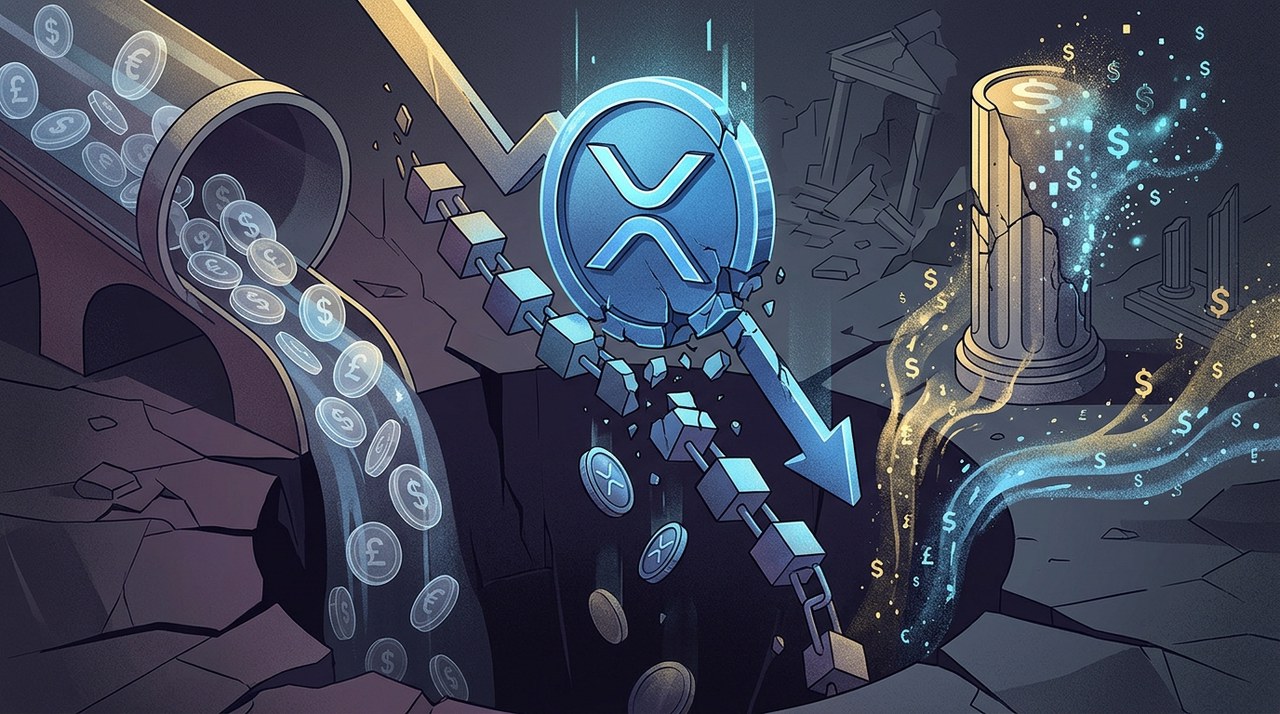

XRP Drops to Lowest Level Since November 2024 Amid Outflows
XRP fell to its lowest point since November 2024 as institutional ETF outflows and shrinking stablecoin liquidity placed pressure on the broader crypto market.
|


Bitcoin Faces $60K Liquidation Risk as Glassnode Warns
Bitcoin faces selling pressure near the $60,000 mark as Glassnode reports key leverage liquidation clusters and shrinking market liquidity.
|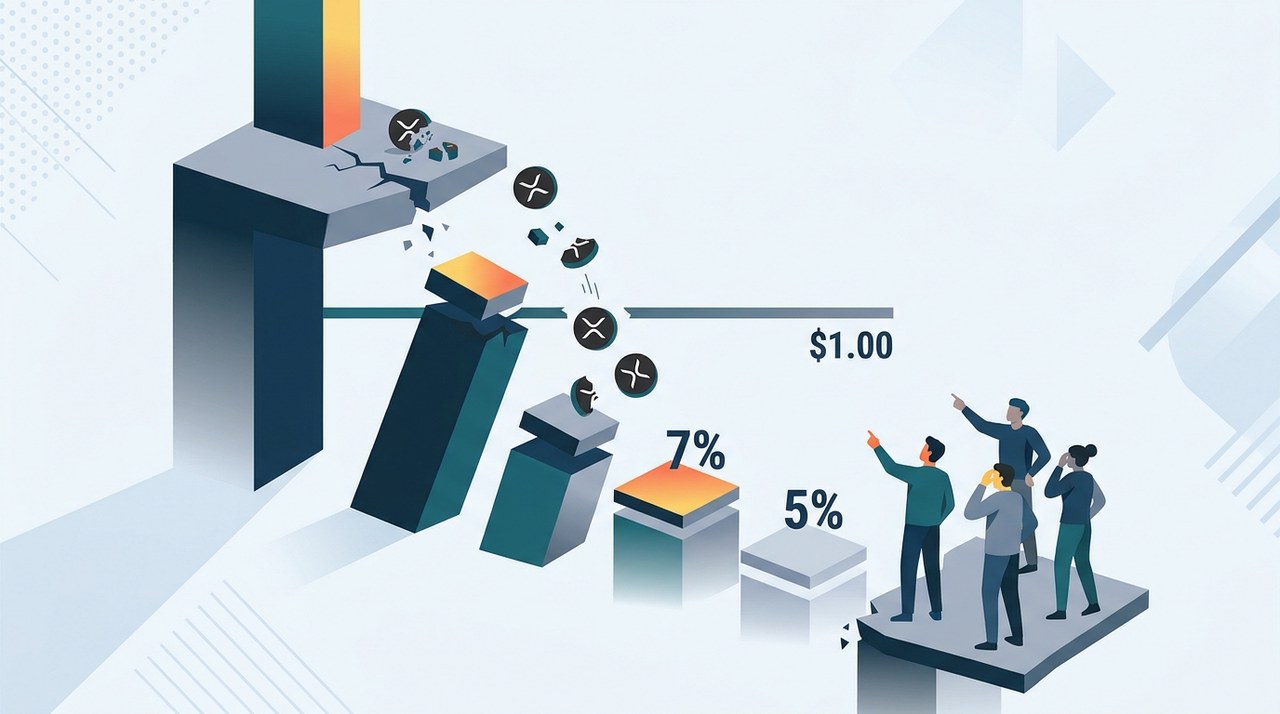
Kalshi Traders See Low Odds for XRP Recovery Above $1.30
XRP has slipped below the key $1 level, leading prediction market traders on Kalshi to lower their expectations for a major price recovery in November.
|