


Paxos Launches USDG Stablecoin on Arbitrum Network

A Major Expansion for Regulated Stablecoins
Paxos has officially brought its Global Dollar (USDG) stablecoin to the Arbitrum network. To spur immediate adoption and build deep liquidity, a proposal has been put forward to allocate 100 million ARB in network incentives.
This integration combines a strictly regulated stablecoin structure with one of the busiest Layer 2 scaling networks on EthereumETH-0.13%. Let's explore what this means for everyday users, liquidity providers, and the broader decentralized finance ecosystem.
What Is Paxos USDG?
For anyone unfamiliar with stablecoins, think of them as digital dollars on the blockchain. They maintain a 1:1 value ratio with the US dollar, making them ideal for trading, transfers, and saving without price swings.
USDG, or Global Dollar, is Paxos' compliant stablecoin offering. Paxos is well known in the crypto industry for operating within established regulatory frameworks.
Unlike traditional stablecoin models where issuers retain all reserve yields, USDG features a partner-focused revenue distribution design. This setup allows participating exchanges and platforms to share in the economic value created by the underlying reserve assets.
Why Launching on Arbitrum Matters
Arbitrum is an Ethereum Layer 2 network designed to process transactions quickly and cheaply. If Ethereum mainnet is like a crowded highway during peak traffic hours, Arbitrum acts as a fast-lane express route overhead.
Transactions on Arbitrum finalize in seconds and cost a tiny fraction of mainnet gas fees. Bringing USDG to Arbitrum enables traders and applications to move digital dollars rapidly without paying high network fees.
The 100 Million ARB Incentive Proposal
To encourage liquidity providers and decentralized finance (DeFi) protocols to adopt USDG, a grant proposal suggests distributing 100 million ARB tokens as ecosystem rewards.
ARB is the governance token for Arbitrum. If approved by the community governance process, these incentives would reward users who provide liquidity to trading pools and lending platforms that support USDG.
A boost of this magnitude aims to accelerate USDG's liquidity growth, helping it establish a firm foothold alongside established stablecoins like TetherUSDT+0.09% and USD Coin (USDCUSDC+0.12%).
Impact on Decentralized Finance
Liquidity is essential for smooth trading in DeFi. Without deep capital pools, traders experience slippage—where the execution price shifts unfavorably during large transactions.
Injecting substantial ARB incentives into USDG trading pairs across exchanges like UniswapUNI+1.06% or Curve can create robust liquidity pools. This reduces trading costs and makes the network more attractive to both retail users and institutional participants.
Important Risks and Factors to Consider
While incentive campaigns can drive short-term growth, investors should consider market dynamics carefully.
Incentive programs are temporary by nature. Historically, liquidity can shift to other networks once yield rewards taper off, unless sustained organic demand is established.
Additionally, interacting with smart contracts, bridges, and lending protocols carries technical risks. While Arbitrum and Paxos emphasize strict security, smart contract vulnerabilities remain an inherent consideration in decentralized finance.
Past performance of digital assets or incentive programs is no guarantee of future returns.
Looking Ahead
The arrival of USDG on Arbitrum demonstrates the ongoing trend of bringing regulated, institutional digital dollars to efficient Layer 2 networks. As blockchain regulations mature globally, transparent and compliant stablecoins are positioned to play a key role in the future of digital asset infrastructure.
Latest blog posts



 +1
David Schwartz Speaks Out Over XRP Price Influence
Former Ripple CTO David Schwartz clarified that while his impact on XRP's price is minimal, he is setting clear boundaries against social media harassment.
|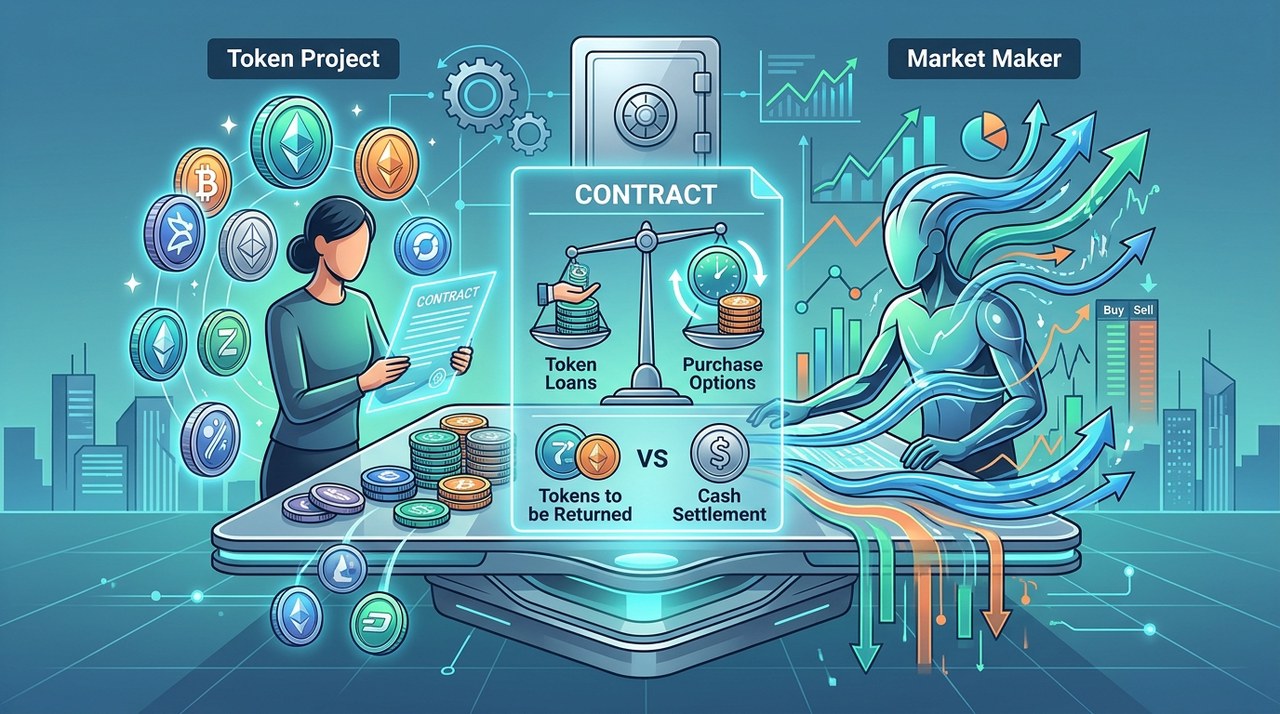
Crypto Market Making: Key Terms Token Projects Must Negotiate
Token projects must negotiate clear terms before signing market-making agreements to protect treasury assets and manage trading risks effectively.

Global Crypto Race: Which Region Wins on Regulation?
Countries around the world are competing to build the best rules for Web3 businesses. Here is how Europe, the US, Asia, and the Middle East compare.