Paraguay Bank Crisis Highlights Stablecoins as Alternative
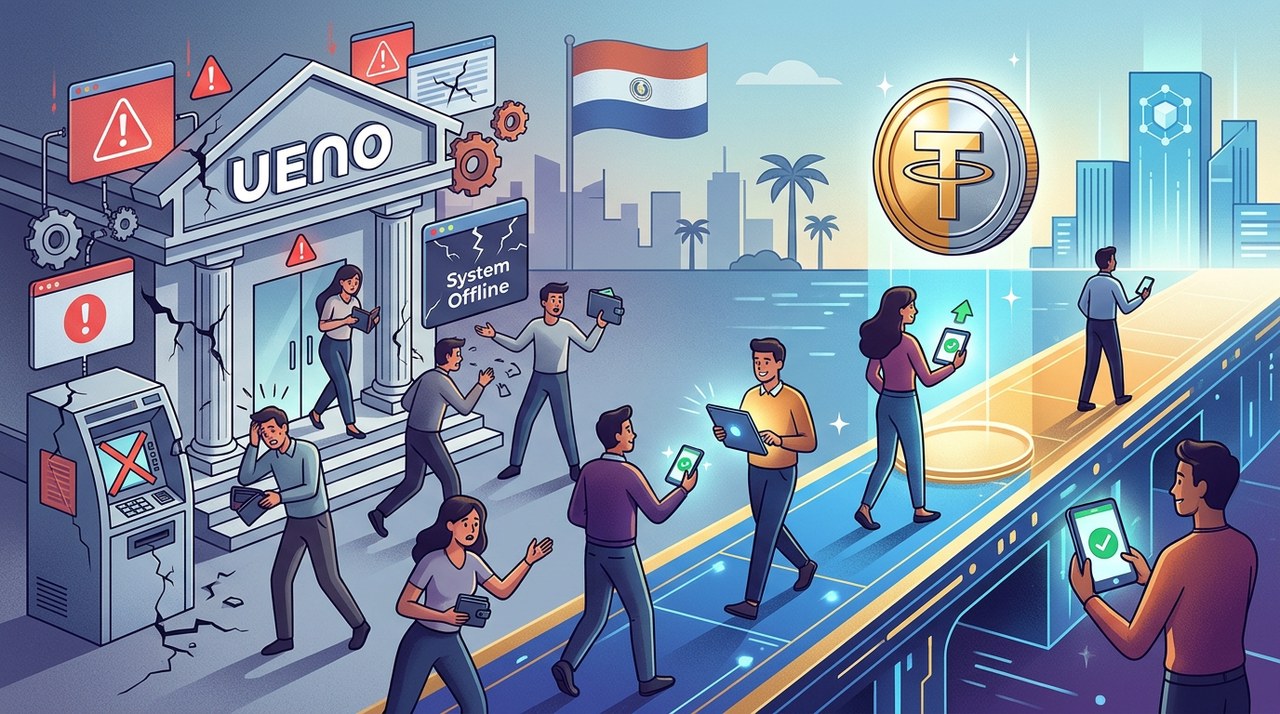
Understanding the Banking Shock in Paraguay
Financial disruptions can happen fast, leaving everyday people searching for quick solutions. Recently in Paraguay, the digital banking service provider Ueno faced significant operational strain.
This sudden breakdown exposed vulnerabilities in the local digital banking ecosystem. As customers lost smooth access to their funds, many began looking for alternative ways to hold and move their money.
What Happened During the Ueno Disruptions?
Ueno had established itself as a modern digital institution in Paraguay. It promised convenient financial services directly through mobile applications.
However, operational friction quickly created panic among account holders. System outages and service freezes caused users to scramble for immediate withdrawals.
When a centralized platform faces technical or financial trouble, customers often find themselves locked out of basic transactions. In response, local users sought financial tools that operate outside traditional bank schedules.
When centralized digital banking services pause, users naturally search for decentralized alternatives that run around the clock.
How Stablecoins Offered a Temporary Lifeline
During the banking bottleneck, stablecoins emerged as an alternative payment channel. Stablecoins are digital assets designed to track the value of fiat currencies like the US Dollar.
Because public blockchain networks operate 24 hours a day without bank intervention, transactions continued seamlessly. Peer-to-peer (P2P) transfers allowed merchants and individuals to maintain commerce.
Key Reasons Users Turned to Stablecoins
- Continuous availability without reliance on banking hours
- Fast settlement times for peer-to-peer transfers
- Ability to store value linked to foreign fiat currencies
- Direct control over assets through self-custody wallets
Evaluating the Potential Risks of Stablecoins
While stablecoins offered vital functionality during the crisis, they carry distinct risks. They are not direct replacements for traditional bank accounts.
First, stablecoin issuers are private entities. If reserves are mismanaged, a stablecoin can lose its peg to the underlying currency.
Second, digital tokens lack government-backed deposit insurance. Unlike insured bank deposits, asset loss from technical failures or protocol exploits may not be recoverable.
Past performance of digital assets or stability during previous market events is not a guarantee of future stability or performance.
A Broader Trend Across Emerging Markets
The events in Paraguay mirror broader trends throughout Latin America. Countries experiencing currency inflation or banking friction frequently report higher rates of stablecoin adoption.
For many households, digital tokens act as a secondary financial bridge when primary banking infrastructure faces strain.
Key Takeaways for Users
- Avoid keeping all funds in a single digital platform or account.
- Understand that stablecoins carry operational and peg risks.
- Learn the basics of self-custody safety before an emergency occurs.
- Stay informed on national financial regulations and asset rights.
Final Thoughts
The situation surrounding Ueno in Paraguay highlights the growing reliance on alternative digital assets during system interruptions. While stablecoins provide flexibility, user awareness regarding their unique risk profile remains essential.
Past performance of digital assets is not a guarantee of future returns. Always carefully evaluate financial risks before engaging with alternative store-of-value assets.
Latest blog posts


Laser Digital Advises Saudi Credit Vault on BNB Chain
Nomura's digital asset arm Laser Digital is advising ZIG Finance on a $100 million tokenized private credit vault for Saudi Arabian SMEs on BNB Chain.
|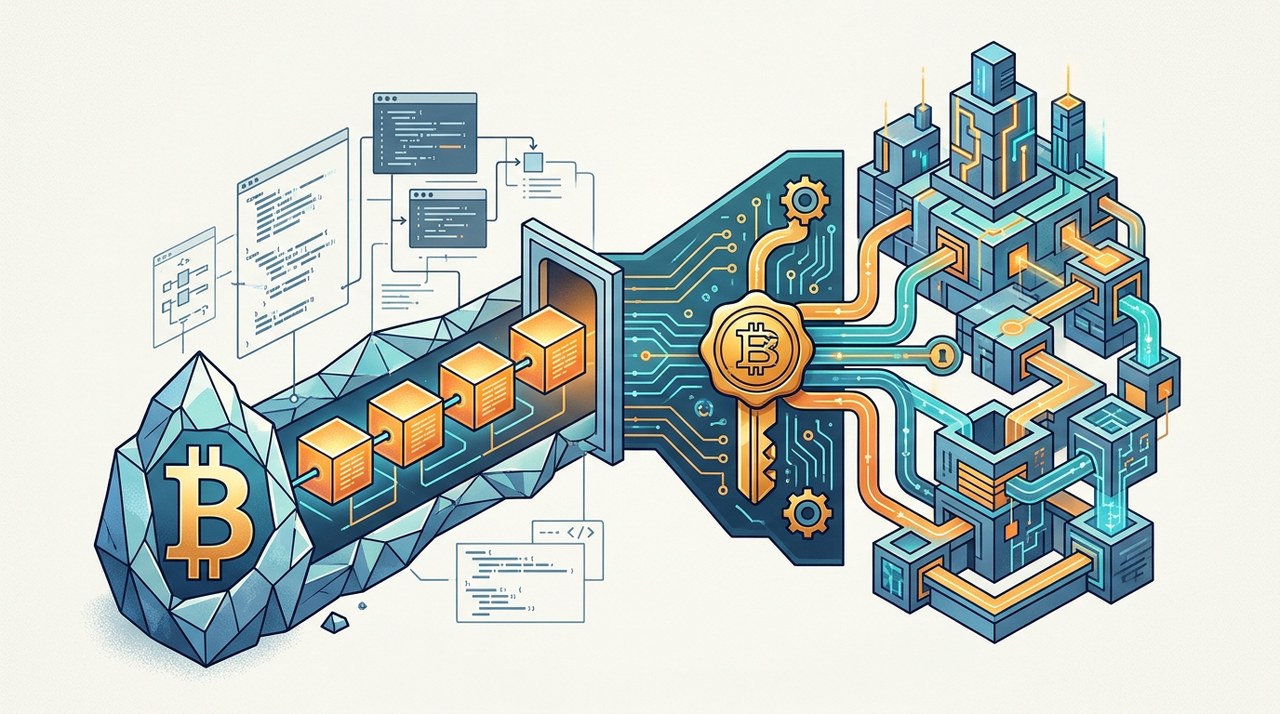


Bitcoin Covenants: How OP_CCV and MATT Work
Learn how MATT and OP_CHECKCONTRACTVERIFY enable stateful smart contracts and compact fraud proofs directly on the Bitcoin network.
|
Cointelegraph CEO Steps Down to Join AI Blockchain Venture
Cointelegraph CEO Yana Prikhodchenko has stepped down after nearly five years to lead Phase, an AI-agent blockchain startup, amidst wider crypto media challenges.