Nigeria Regulates Stablecoins and Bans Algorithmic Tokens
A New Regulatory Chapter for Nigeria
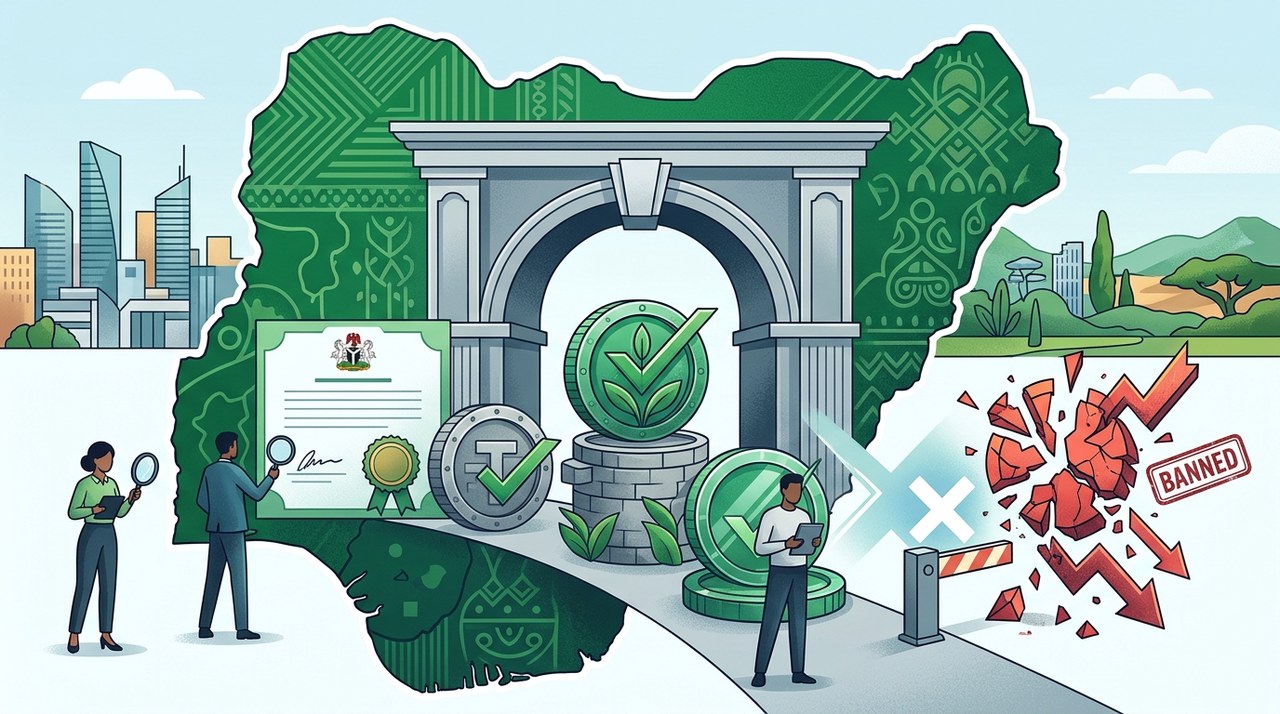
Nigeria's central bank has officially issued new virtual asset regulations. Under these updated guidelines, any company issuing stablecoins or offering crypto services in the country must secure a local license. At the same time, the central bank has introduced a total ban on algorithmic stablecoins.
This move represents a major shift in how one of Africa's largest crypto markets operates. Regulators are stepping in to bring more structure and protection to digital asset transactions, establishing clear boundaries for service providers.
Understanding the New Licensing Rules
The Central Bank of Nigeria wants to ensure that Virtual Asset Service Providers (VASPs) operate transparently. To legally run a crypto exchange, custody service, or stablecoin project in Nigeria, platforms must now undergo a formal approval process.
Here are the key takeaways from the central bank's updated framework:
- Local licensing requirements: Companies must register locally and obtain official permission to offer services.
- Compliance standards: Service providers are expected to follow strict anti-money laundering (AML) protocols.
- Consumer protection: Platforms must maintain verifiable reserve balances and clear operational standards.
By enforcing local licenses, authorities aim to reduce financial fraud and maintain oversight over funds moving through the national economy.
Why Are Algorithmic Stablecoins Banned?
One of the most notable parts of the announcement is the decision to ban algorithmic stablecoins. To understand why regulators took this step, it helps to look at how different stablecoins work.
Traditional stablecoins are backed by real-world assets, such as US dollars held in bank accounts. For every digital token issued, there is ideally one real dollar kept safely in reserve.
Algorithmic stablecoins work differently. Instead of cash reserves, they rely on complex code, smart contracts, and market incentives to keep their price steady. Think of it like balancing on a seesaw—if demand shifts, the computer algorithm automatically adjusts supply to hold the price stable.
However, when market pressure gets extreme, these algorithms can break down. In past market cycles, unbacked algorithmic models experienced severe price de-pegging, leading to heavy losses for token holders.
Because algorithmic stablecoins rely on mathematical formulas rather than audited cash reserves, central banks view them as higher-risk assets for retail users.
What This Means for Crypto Users and Companies
Nigeria has consistently ranked high in global peer-to-peer crypto adoption. Many citizens rely on digital assets for international payments and daily financial activities.
For regular users, new licensing rules mean that local platforms should become safer and more accountable. However, users may also see unlicensed international exchanges restrict access until they meet local requirements.
For crypto businesses, the message is clear: compliance is mandatory. Getting licensed takes time and resources, but it offers a legitimate path to operate legally within the country.
Keeping Risk in Mind
Even with clearer regulatory frameworks, digital assets can experience high price volatility. Anyone interested in crypto should evaluate risks carefully and conduct thorough research.
Past performance of digital assets is not an indication of future results. You can check current market trends and details at bitkub.com.
Overall, Nigeria's new rules mark an important step toward integrating digital assets into a controlled, regulated financial framework.
Latest blog posts


Bitcoin Rebounds From $55,110 Low as Ledger Probes Tampered Units
Bitcoin rebounded after hitting a $55,110 cycle low, while Ledger investigates reports of tampered devices in Berlin and the UAE.
|

 +2
Bitcoin Rebounds Above $61K After Rough November Wipeout
Bitcoin recovered above $61,000 after dropping to $55,640, though November losses remain significant across the wider crypto market.
|

 +2
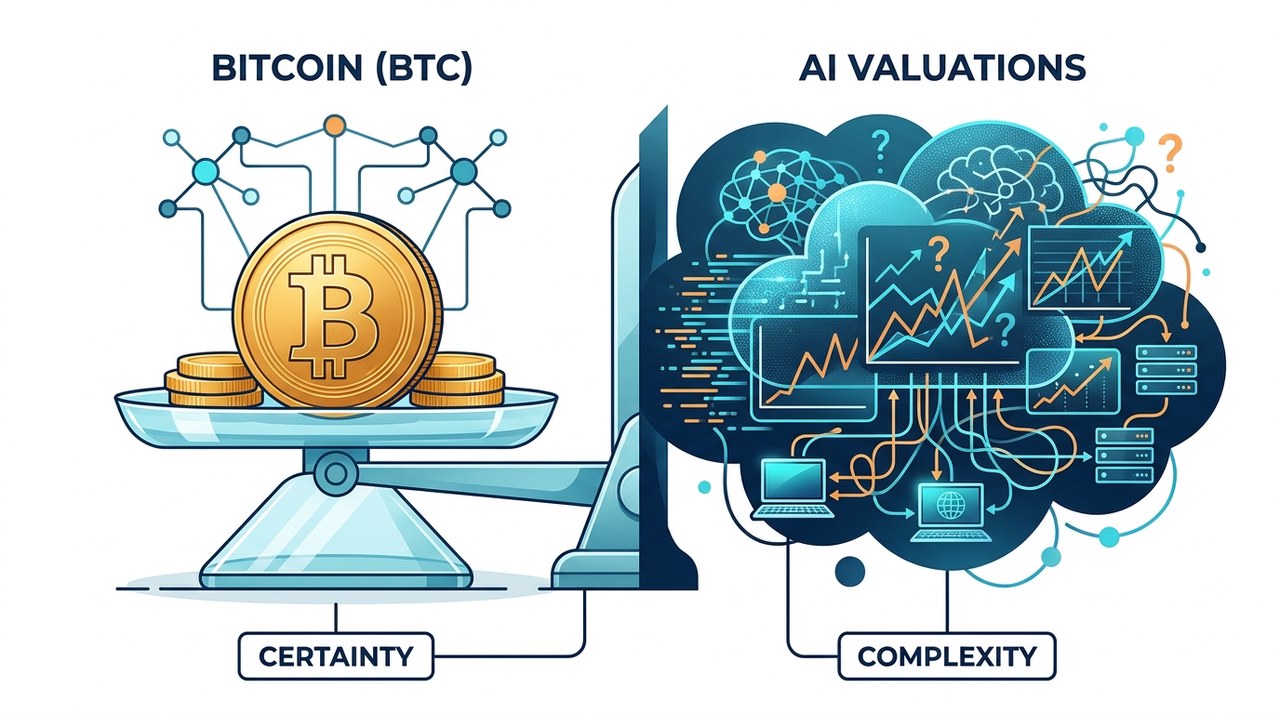
Why Bitcoin Is Easier to Value Than AI
Investor Bill Miller IV explains why valuing Bitcoin is simpler than AI stocks, despite BTC having no cash flow.
|