Nigeria Bans Algorithmic Stablecoins in New Crypto Rules

Nigeria has updated its regulatory framework for digital assets by expanding central bank oversight over crypto payment services. As part of these updated rules, the country has banned algorithmic stablecoins and introduced mandatory reserve requirements for token issuers.
Understanding the Central Bank Oversight
The Central Bank of Nigeria is broadening its supervisory authority over digital asset companies. This expanded reach covers platforms providing crypto payment services across the country.
Under the new rules, payment operators must meet specific licensing criteria. The rules aim to establish operational standards and enhance financial oversight for service providers.
The Ban on Algorithmic Stablecoins
Algorithmic stablecoins rely on smart contracts and market incentives rather than physical assets to maintain their price peg. Because these mechanisms can face liquidity challenges during sudden market drops, regulators regard them as high-risk instruments.
Nigeria's regulatory update strictly prohibits algorithmic stablecoins. Issuers are now required to maintain reserves to back any stablecoins offered in the market.
Key Highlights of the Regulatory Update
- Central bank oversight expanded to cover crypto payment services.
- Complete ban imposed on algorithmic stablecoins.
- Mandatory reserve requirements introduced for stablecoin issuers.
- New licensing standards set for digital payment platforms.
Broader Market Context
Nigeria is one of the largest digital asset markets in Africa. The introduction of clear licensing guidelines helps define how companies operate within the national financial system.
This move aligns with a broader international trend where financial regulators mandate asset backing for stablecoins to promote financial stability. Readers should note that digital assets remain volatile, and regulatory frameworks continue to evolve worldwide.
Latest blog posts
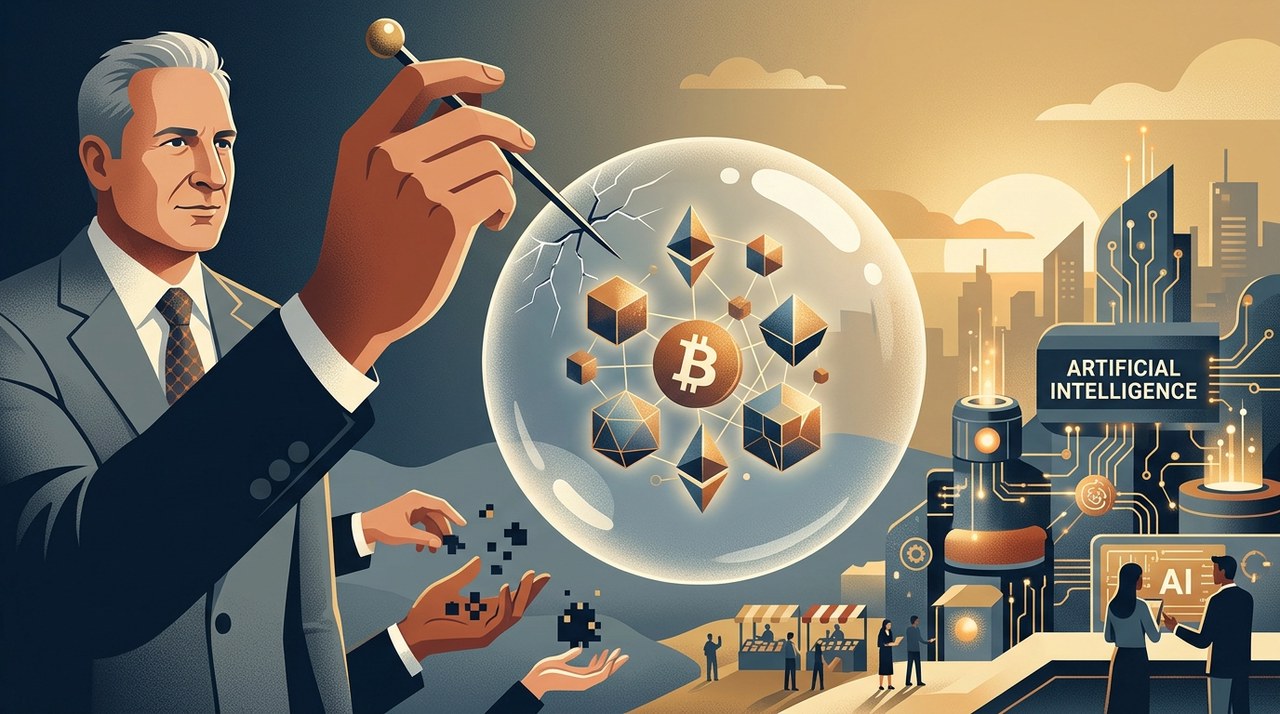

Peter Schiff Calls Midterms the Final Pin for Bitcoin
Gold advocate Peter Schiff claims the US midterm election results will pop the Bitcoin bubble, though institutional investors continue buying through spot ETFs.
|

StockFi Bridges U.S. Stocks and Web3 Ecosystems
StockFi is linking traditional U.S. equities with the Web3 ecosystem on the BNB Smart Chain through tokenized stock products and community meme tokens.
|

Bitcoin Volatile as US Jobs Data Beats Expectations
The US added 165,000 jobs in October, crushing forecasts. Bitcoin experienced quick price swings as investors analyzed central bank interest rate policies.
|